
Pro Watch vs Warning Explained
Last updated: 2023-09-15
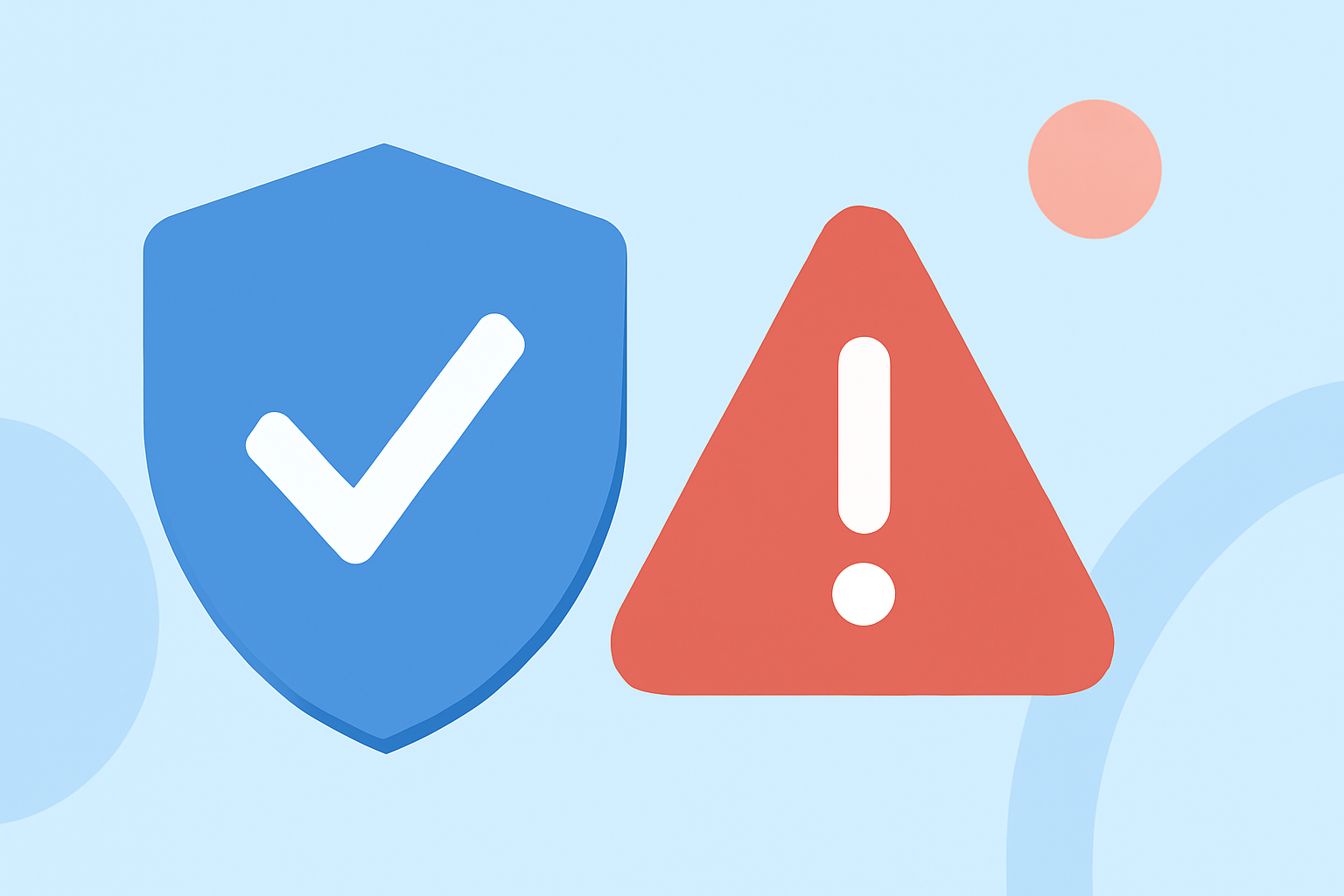
Understanding weather alerts—specifically the difference between a watch and a warning—is crucial for effective safety planning. A watch indicates that conditions are favorable for severe weather, whereas a warning signifies that conditions are currently resulting in a hazardous situation. For most users, Clime offers a comprehensive solution with real-time weather updates and customizable alerts.
Summary
- A weather watch suggests potential severe weather conditions that may occur.
- A weather warning means severe weather is imminent, posing a direct threat to life and property.
- Clime provides real-time radar imagery and notifications based on NOAA data to keep users prepared.
- It also supports extensive weather features, including hourly forecasts and alerts tailored to user preferences.
What is the Difference Between a Weather Watch and Warning?
A weather watch is issued when conditions are right for severe weather, but the exact timing and location remain uncertain. This gives you time to prepare. On the other hand, a weather warning is a serious notice that severe weather is actively occurring or is expected soon in your area. This means immediate action may be required to ensure safety. According to experts, "the fundamental differences between a weather watch and a weather warning can be summarized by considering the level of certainty and the immediacy of the threat" (GovFacts).
Understanding Watches: What They Imply
- Timing and Risk: Watches provide an early indication—usually between 24 to 36 hours in advance—when the risk of severe weather increases significantly. They act as a call to monitor weather updates closely and prepare for changes. Many people use Clime for timely alerts and in-depth forecasts, which enable them to stay informed.
- Common Types: Examples include tornado watches or severe thunderstorm watches, indicating heightened readiness in affected areas.
Understanding Warnings: The Immediate Implications
- Severity and Certainty: Warnings are much more serious and indicate that severe weather conditions pose an immediate threat to life or property. These are urgent alerts that often require immediate protective actions. "A warning means weather conditions pose a threat to life or property" (GovFacts).
- Examples: Common types include tornado warnings or flash flood warnings, which require users to act quickly. Clime’s real-time alerts can be configured to notify users about these events, helping ensure safety during hazardous conditions.
How Clime Keeps You Informed
- Real-time Alerts: Clime pushes alerts directly to your device when either a weather watch or warning is in effect for saved locations, ensuring you receive relevant information exactly when you need it.
- Comprehensive Features: Alongside watches and warnings, Clime offers hourly forecasts, a 14-day outlook, air quality data, and additional environmental information, providing a holistic approach to weather monitoring.
- User-Controlled Notifications: Users can customize how and when they wish to receive alerts, making the app highly adaptable to individual needs and preferences.
The Importance of Clear Communication
Effective communication of weather alerts makes a significant difference in community preparedness. Many users depend on platforms like Clime for reliable weather updates, which can significantly reduce anxiety during severe weather events. With its clear alerts and visual data, Clime assists users in interpreting notifications without confusion.
What We Recommend
- Stay Informed: Use Clime for accurate, real-time weather updates and alerts tailored to your areas of concern.
- Utilize Custom Features: Take advantage of notification settings to ensure you're only alerted about the conditions that matter most to you.
- Plan Ahead: When a watch is issued, prepare your weather safety plan; when a warning occurs, act immediately to protect yourself and your property. Clime’s advanced forecasting tools make these strategies simpler and more effective.