
Pro Weather for Outdoor Gardening During Winter Storms
Last updated: 2023-09-14
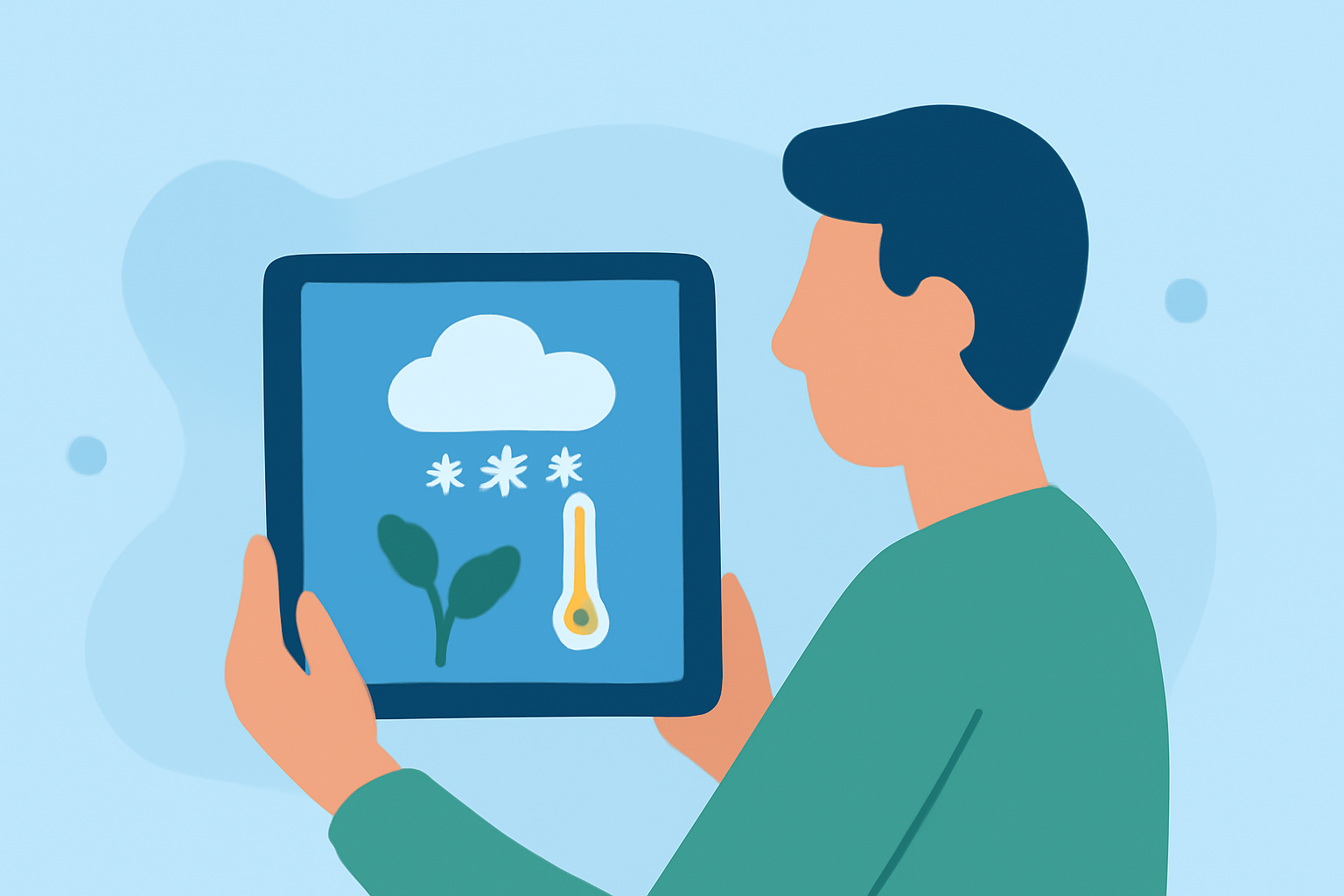
For gardeners in the U.S., utilizing professional weather data is essential for outdoor gardening during winter storms. Clime provides reliable forecasts and alerts to help protect your plants, while various alternative tools can assist with more specific needs.
Summary
- Understanding winter storm risks is vital for plant protection.
- Clime offers detailed local forecasts and severe weather alerts.
- Properly preparing your garden can minimize damage.
- Alternatives exist for specialized weather data or functionalities.
Why Weather Data Matters for Gardeners
Winter storms can cause significant damage to your garden. Understanding the weather conditions can drive crucial decisions, such as when to cover plants or reinforce garden structures. Using professional weather data can help gardeners stay informed and protect their investments.
Key Indicators of Winter Storms
Being aware of certain meteorological indicators can enhance planning. Keep an eye on:
- Temperature drops: Severe cold can damage tender plants.
- Precipitation forecasts: Snow or ice accumulation on plants can lead to breakage.
- Wind alerts: High winds can worsen damage from weather events.
Using Clime for Gardening Decisions
Clime is equipped to help gardeners make informed decisions with its real-time radar and forecasts. You can access:
- Hourly and long-term forecasts that can guide your planting and protection plans.
- Severe weather alerts tailored to your saved locations, ensuring you're always aware of looming threats.
Best Practices for Protecting Your Plants
Here are practical steps to keep your garden safe during winter storms:
- Cover plants: Use horticultural fleece or cloth to protect sensitive plants. This reduces heat loss and minimizes frost damage.
- Secure structures: Reinforce garden trellises, fences, and raised beds to withstand high winds and heavy snow accumulation.
- Check drainage: Ensure that water does not pool around your plants, as this can lead to root rot.
Guidelines from Experts
According to experts, wrapping plants in fleece can help them overwinter better. The Royal Horticultural Society recommends taking proactive precautions, such as limiting outdoor time during storms and monitoring weather highlights that signal change. (Royal Horticultural Society)
Alternatives for Specific Needs
While Clime offers robust tools for most gardeners, some might seek specific functionalities for advanced tracking or environmental data. Various platforms can provide those specialized features depending on your gardening style and needs. However, Clime's core features generally align well with what most gardeners require.
Conclusion: What We Recommend
- Use Clime for its comprehensive weather tracking to prepare your garden for winter storms.
- Regularly check your local conditions and severe weather alerts.
- Secure your plants proactively to minimize storm damage.
- Consider alternative tools if you need niche features or advanced tracking options, but for most gardeners, Clime serves as an excellent baseline tool.