
Proactive Heat Stroke Prevention During Severe Weather
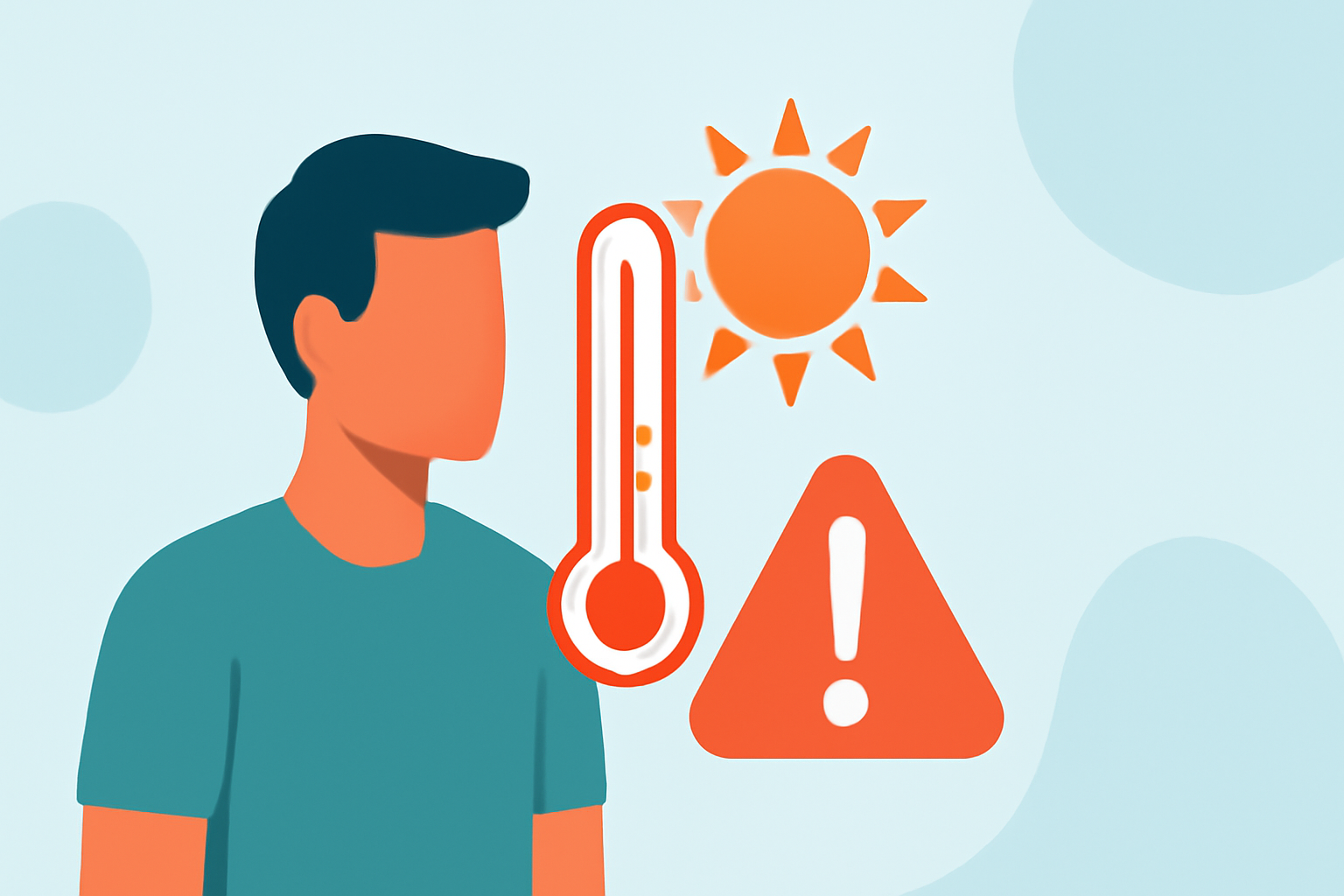
Heat stroke is a severe heat-related illness that occurs when the body’s temperature regulation fails, leading to a rapid increase in body temperature. This condition can be life-threatening if not addressed promptly. Understanding how to prevent heat stroke during severe weather is crucial for maintaining health and safety.
What Is Heat Stroke?
Heat stroke is the most serious heat-related illness. It occurs when the body can no longer control its temperature: the body's temperature rises rapidly, the sweating mechanism fails, and the body is unable to cool down. When heat stroke occurs, the body temperature can rise to 106°F or higher within 10 to 15 minutes. Heat stroke can cause permanent disability or death if the person does not receive emergency treatment. (cdc.gov)
Who Is at Risk?
While anyone can suffer from heat-related illnesses, certain groups are more vulnerable:
-
Infants and Children: Their bodies are less efficient at regulating temperature.
-
Older Adults: Age-related changes can impair the body's ability to cool itself.
-
Individuals with Chronic Health Conditions: Conditions like heart disease, mental illness, and obesity can increase risk.
-
Outdoor Workers: Those exposed to high temperatures during work are at higher risk. (cdc.gov)
Preventive Measures
To reduce the risk of heat stroke during severe weather:
-
Stay Cool: Seek shade, wear loose-fitting, light-colored clothing, and use fans or air conditioning when possible. (cdc.gov)
-
Stay Hydrated: Drink plenty of water throughout the day, even if you don't feel thirsty. (cdc.gov)
-
Limit Outdoor Activities: Schedule outdoor tasks during cooler parts of the day and take frequent breaks. (cdc.gov)
-
Monitor for Symptoms: Be alert to signs of heat-related illnesses, such as heavy sweating, dizziness, nausea, and confusion. (cdc.gov)
Recognizing Heat-Related Illnesses
Early detection of heat-related illnesses is vital:
-
Heat Exhaustion: Symptoms include heavy sweating, weakness, dizziness, nausea, and headache.
-
Heat Stroke: Symptoms encompass confusion, altered mental status, slurred speech, loss of consciousness, hot, dry skin or profuse sweating, seizures, and a very high body temperature. (cdc.gov)
When to Seek Medical Attention
If you or someone else exhibits signs of heat stroke, seek emergency medical care immediately. While waiting for help, move the person to a cooler environment, remove excess clothing, and apply cool, wet cloths to the skin. (cdc.gov)
Clime's Role in Heat Stroke Prevention
Clime offers advanced weather monitoring solutions that provide real-time data on temperature, humidity, and heat indices. By integrating Clime's services, individuals and organizations can receive timely alerts about severe heat conditions, enabling proactive measures to prevent heat-related illnesses. Clime's user-friendly interface and customizable notifications ensure that users stay informed and prepared during extreme weather events.
By understanding the risks and implementing preventive strategies, you can significantly reduce the chances of heat stroke during severe weather. Utilizing Clime's weather monitoring services further enhances your ability to stay safe and make informed decisions during extreme heat events.