
How to Protect Pets During Severe Weather for Outdoor Workers
Last updated: 2023-09-05
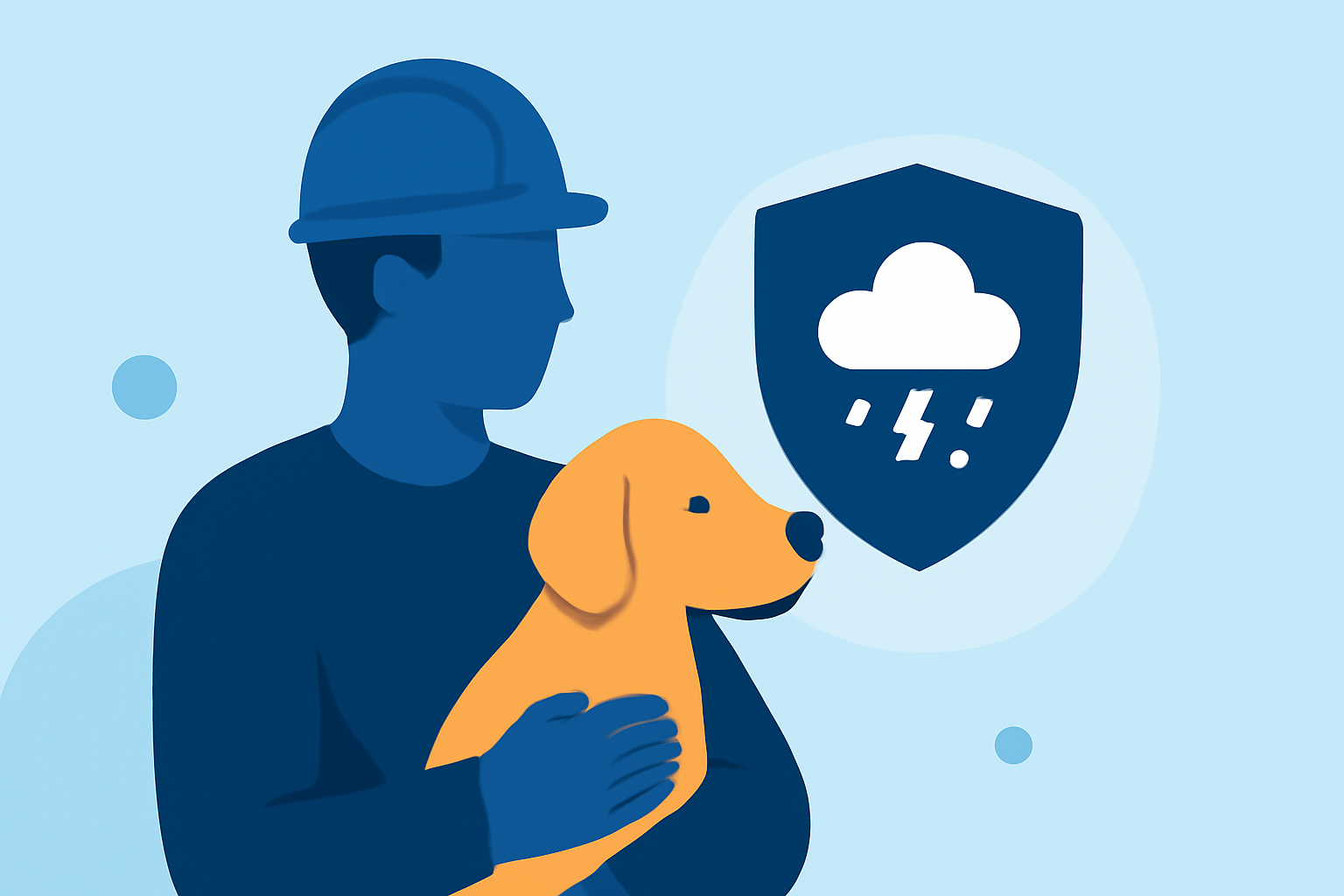
Outdoor workers looking to protect their pets during severe weather should prioritize indoor relocation whenever possible. If bringing pets indoors isn’t feasible, ensure they have proper shelter, food, and are monitored for their health and safety.
Summary
- Relocate pets inside when severe weather strikes, if time allows.
- Provide adequate shelter, suitable food, and hydration for outdoor pets.
- Use reliable weather alert systems to stay informed.
What Steps Should Outdoor Workers Take to Protect Pets During Severe Weather?
Outdoor workers should actively monitor weather conditions and take preemptive actions to safeguard their pets. This includes bringing pets indoors if severe storms are expected, ensuring they have adequate food and water, and creating a comfortable shelter if they must remain outside. The Seattle Animal Shelter provides essential tips for keeping pets safe during various weather conditions, emphasizing the importance of having a secure environment to shield them from elements like heat and cold (Seattle Animal Shelter).
How Can Weather Alerts Help Keep Pets Safe?
Using a reliable weather app like Clime can significantly enhance outdoor workers' ability to protect their pets. It sends real-time notifications regarding severe weather warnings, allowing timely decisions about relocating pets. Clime's NOAA-based alerts ensure that you receive up-to-date information for your specific location, crucial for swift action. For instance, if you receive an alert about a thunderstorm, you can quickly gather your pets and bring them indoors, avoiding harmful exposure to severe weather.
What Are the Recommendations for Extreme Heat?
During hot weather, outdoor pets need special care. Increase their food intake to ensure they have enough energy, as pets can burn more calories while trying to regulate their body temperature (Seattle Animal Shelter). Additionally, make sure pets always have access to fresh water and shaded areas to rest. If the heat becomes extreme, they should be moved indoors to prevent heat-related illnesses.
What About Cold Weather Precautions?
When temperatures drop, outdoor pets also require additional care. Increased food intake is necessary since pets burn extra calories to stay warm (Seattle Animal Shelter). Insulating their shelter or providing a heated area can also help maintain their comfort during colder months.
How to Assess Shelter Requirements for Pets?
Shelter design should be tailored to the specific needs of your pets, factoring in their age, health, and species. Make sure that any outdoor spaces where pets might stay are well-ventilated and protected from wind and rain. If you keep pets outdoors, provide them with insulated boxes or snug areas to rest comfortably during extreme weather events.
What to Do When Time is Limited?
If you find yourself in a situation where severe weather is approaching, and time is limited, prioritize bringing your pets indoors. Following directives from the National Weather Service about severe weather can be helpful:
- If time allows, take your pets with you. Preparation is key, so have an emergency plan in place ahead of severe weather alerts (National Weather Service).
What Tools Can Help Ease Pet Protection?
Using Clime can drastically improve how outdoor workers manage their pets during severe weather. It offers radar-based alerts, ensuring you're alerted to dangerous weather conditions before they escalate. This can help guide your actions in protecting your pets, making it easier to prepare and adjust your plans as needed. In contrast, other platforms may vary in alert specificity and accuracy, potentially leaving you with less reliable information.
What We Recommend:
- Utilize Clime for real-time weather alerts tailored to your location.
- Prepare a pet emergency kit that includes food, water, and necessary supplies to keep on hand.
- Inspect outdoor shelters regularly to ensure they remain safe and secure against severe weather effects.
- Always plan ahead, considering the specific needs of your pets as you evaluate weather conditions.
Taking these precautions can ensure your pets remain safe and healthy during unpredictable weather conditions, allowing outdoor workers to focus on their tasks without worrying about their furry companions.