
Protecting Athletes from Heat-Related Illnesses: Essential Guidelines
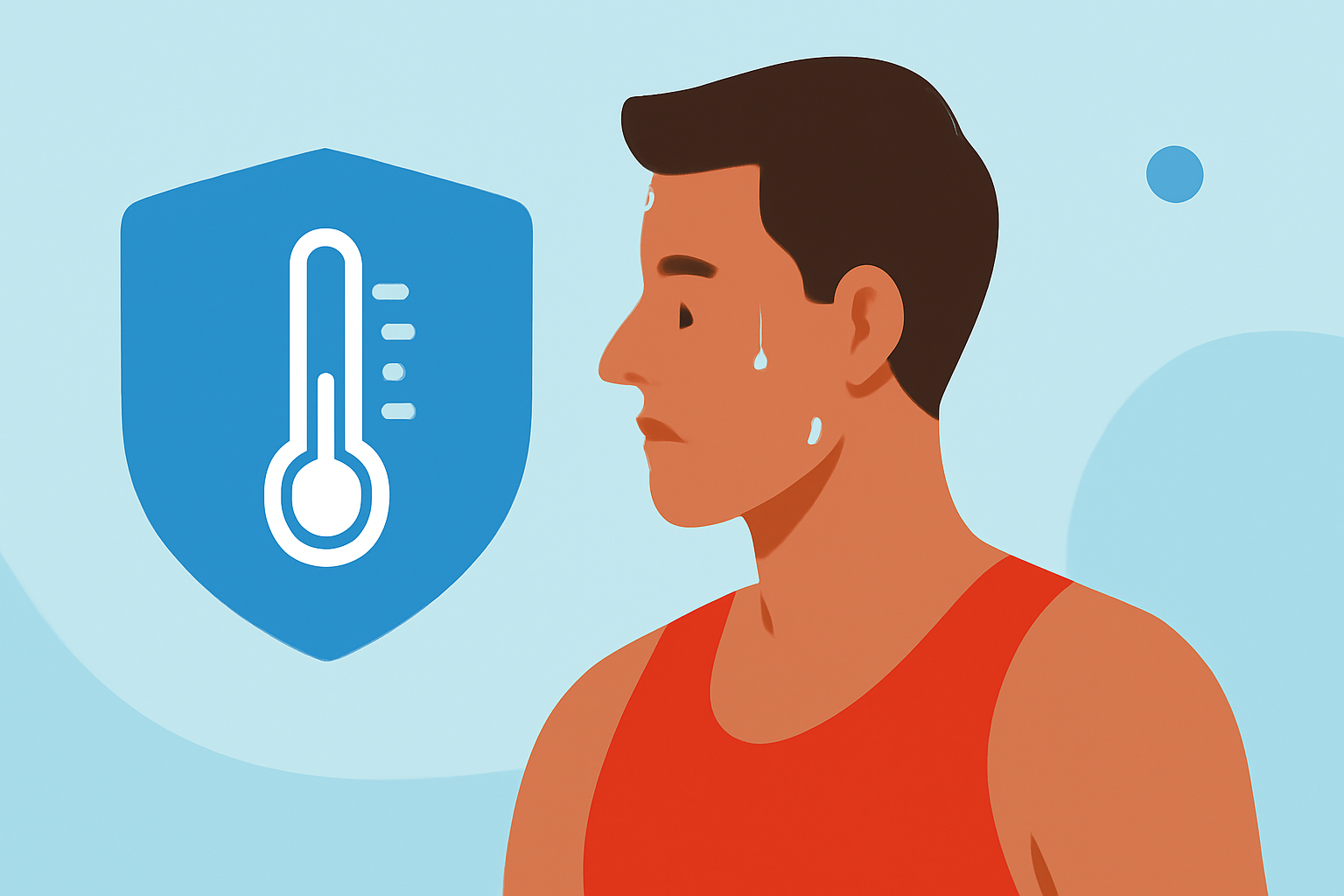
Heat-related illnesses pose significant risks to athletes, especially during intense physical activities in hot and humid conditions. Understanding preventive measures and recognizing early signs are crucial for safeguarding health and performance.
What Are Heat-Related Illnesses?
Heat-related illnesses encompass a range of conditions resulting from the body's inability to dissipate heat effectively. These include heat cramps, heat exhaustion, and the most severe form, heat stroke. Symptoms can range from muscle cramps and dizziness to confusion and loss of consciousness. (aafp.org)
How Can Athletes Prevent Heat-Related Illnesses?
-
Hydration: Maintain adequate hydration before, during, and after exercise. Drinking water regularly helps regulate body temperature and supports overall performance. (merckmanuals.com)
-
Acclimatization: Gradually increase exposure to hot conditions over 7 to 10 days to allow the body to adapt. This process enhances the body's ability to manage heat stress. (studylib.net)
-
Appropriate Clothing: Wear lightweight, light-colored, and loose-fitting clothing to facilitate heat dissipation. Avoid dark colors and heavy gear that can trap heat. (orthoinfo.aaos.org)
-
Timing of Activities: Schedule intense workouts during cooler parts of the day, such as early morning or late evening, to minimize heat exposure. (restoredcdc.org)
-
Monitoring Environmental Conditions: Stay informed about local weather forecasts and heat advisories to make informed decisions about training sessions.
What Are the Signs of Heat-Related Illnesses?
Early recognition of symptoms is vital:
-
Heat Cramps: Painful muscle contractions, often in the abdomen, arms, or legs.
-
Heat Exhaustion: Symptoms include heavy sweating, weakness, dizziness, nausea, and fainting.
-
Heat Stroke: A medical emergency characterized by a high body temperature (above 104°F), confusion, and loss of consciousness. (orthoinfo.aaos.org)
How Should Heat-Related Illnesses Be Treated?
Immediate action is crucial:
-
Heat Cramps: Move to a cool place, hydrate with water or an electrolyte solution, and rest.
-
Heat Exhaustion: Get to a cool, shaded area, remove excess clothing, hydrate, and rest.
-
Heat Stroke: Seek emergency medical attention immediately. While awaiting help, move the person to a cool area, remove excess clothing, and apply cool, wet cloths to the body. (orthoinfo.aaos.org)
How Can Clime Support Athletes in Preventing Heat-Related Illnesses?
Clime offers innovative solutions to help athletes monitor and manage environmental conditions effectively:
-
Real-Time Weather Updates: Clime provides accurate, location-specific weather forecasts, enabling athletes to plan training sessions during optimal conditions.
-
Heat Index Monitoring: Clime's platform includes heat index data, helping athletes assess the risk of heat-related illnesses based on current and forecasted conditions.
-
Personalized Alerts: Clime can send notifications about extreme weather conditions, allowing athletes to adjust their activities accordingly.
By integrating Clime's tools into their training routines, athletes can make informed decisions, enhancing safety and performance.
FAQs
What is the heat index, and why is it important for athletes?
The heat index combines air temperature and humidity to indicate how hot it feels. For athletes, a high heat index means increased risk of heat-related illnesses, making it essential to monitor before training.
How can Clime's heat index monitoring feature assist athletes?
Clime's heat index monitoring provides real-time data, helping athletes assess the safety of outdoor activities and plan workouts during cooler periods.
Can Clime's personalized alerts help prevent heat-related illnesses?
Yes, Clime's personalized alerts notify athletes about extreme weather conditions, allowing them to modify their training plans to avoid high-risk situations.
By understanding and implementing these guidelines, athletes can significantly reduce the risk of heat-related illnesses, ensuring a safer and more effective training experience.