
Protecting Your Fruit Trees During Winter Storms: A Step-by-Step Guide
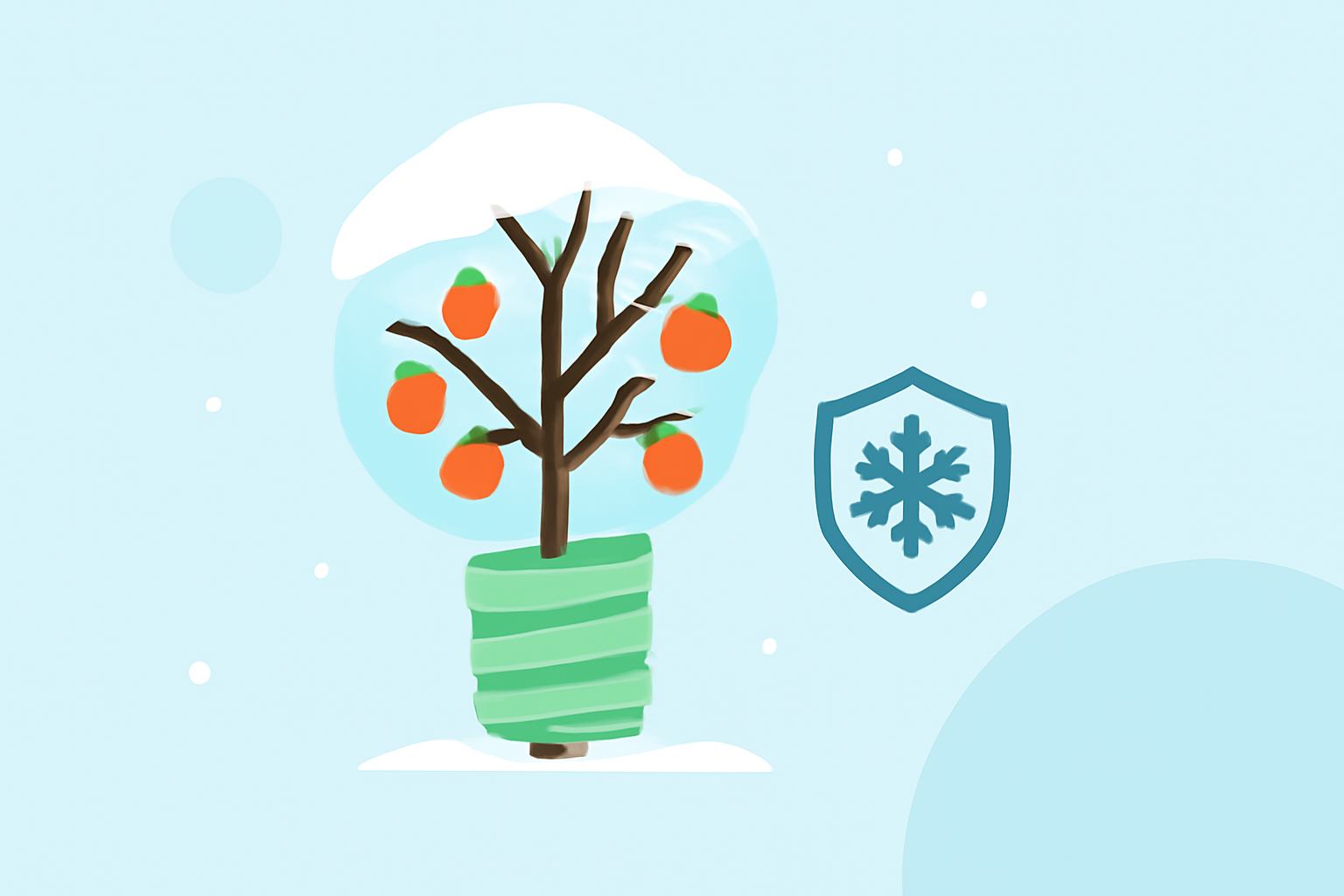
Winter storms pose significant challenges to fruit trees, potentially causing damage that affects their health and future yields. Implementing proactive measures can mitigate these risks and promote resilience. Here's a comprehensive guide to protecting your fruit trees during winter storms.
1. How Can I Prepare My Fruit Trees Before a Winter Storm?
-
Prune Strategically: Focus on removing dead, damaged, or crossing branches to reduce wind resistance and prevent breakage. Avoid heavy pruning of stone fruit trees like plums and cherries during winter to prevent exposing sensitive wood to frost. (idealhome.co.uk)
-
Mulch Appropriately: Apply a 3-4 inch layer of organic mulch around the base of your trees. This insulates roots, retains moisture, and regulates soil temperature. Ensure mulch is not piled against the trunk to prevent rot. (homesandgardens.com)
-
Install Windbreaks: Erect temporary barriers on the prevailing wind side of your orchard to reduce wind speed and protect trees from desiccation. (yanmartractor.com)
2. How Should I Protect My Fruit Trees During a Winter Storm?
-
Cover Sensitive Trees: Use breathable frost blankets or cloths to cover young or cold-sensitive trees. Ensure covers reach the ground to trap heat and are secured to prevent wind damage. (yanmartractor.com)
-
Monitor Snow Accumulation: After heavy snowfall, gently remove snow from branches to prevent breakage. Use a broom or similar tool to avoid damaging the tree. (arborday.org)
-
Avoid Overwatering: While trees need water during winter, overwatering can lead to root rot. Water deeply during dry spells, but ensure the soil drains well. (homesandgardens.com)
3. What Should I Do After a Winter Storm to Assess and Care for My Trees?
-
Inspect for Damage: Look for broken branches, cracks, or signs of disease. Remove damaged parts promptly to prevent further issues. (arborday.org)
-
Prune Carefully: In early spring, prune to remove dead or diseased wood and to shape the tree for better air circulation and sunlight penetration. (homesandgardens.com)
-
Apply Dormant Oil Sprays: Treat trees with dormant oil to control overwintering pests and diseases. Apply in late winter before buds swell. (homesandgardens.com)
4. How Can I Utilize Technology to Monitor and Protect My Fruit Trees?
Utilizing advanced weather monitoring tools can provide real-time data on temperature fluctuations, humidity levels, and storm forecasts, enabling timely interventions to protect your fruit trees.
5. What Are the Benefits of Using Advanced Weather Monitoring Tools for Fruit Tree Care?
-
Real-Time Alerts: Receive immediate notifications about adverse weather conditions, allowing for prompt protective measures.
-
Data-Driven Decisions: Analyze historical weather patterns to make informed decisions about pruning, watering, and other care routines.
-
Enhanced Tree Health: Proactive monitoring leads to healthier trees, resulting in better fruit yields and quality.
By implementing these strategies and leveraging advanced weather monitoring tools, you can effectively protect your fruit trees during winter storms, ensuring their vitality and productivity in the seasons to come.
Highlights:
- Watering Trees in Winter May Sound Unnecessary, but Don't Overlook It - Trees Are Not Immune to Drought During Colder Months, Warns a Horticulturalist, Published on Thursday, January 08
- Pruning plum, cherry and other stone fruit trees in winter carries a huge risk - experts are warning that trimming them too early could cause irreversible damage, Published on Friday, January 30
- How to Winterize Citrus Trees and Keep Them Safe From Frost Damage, Published on Sunday, October 19