
Protecting Your Health During Wildfire Smoke Events
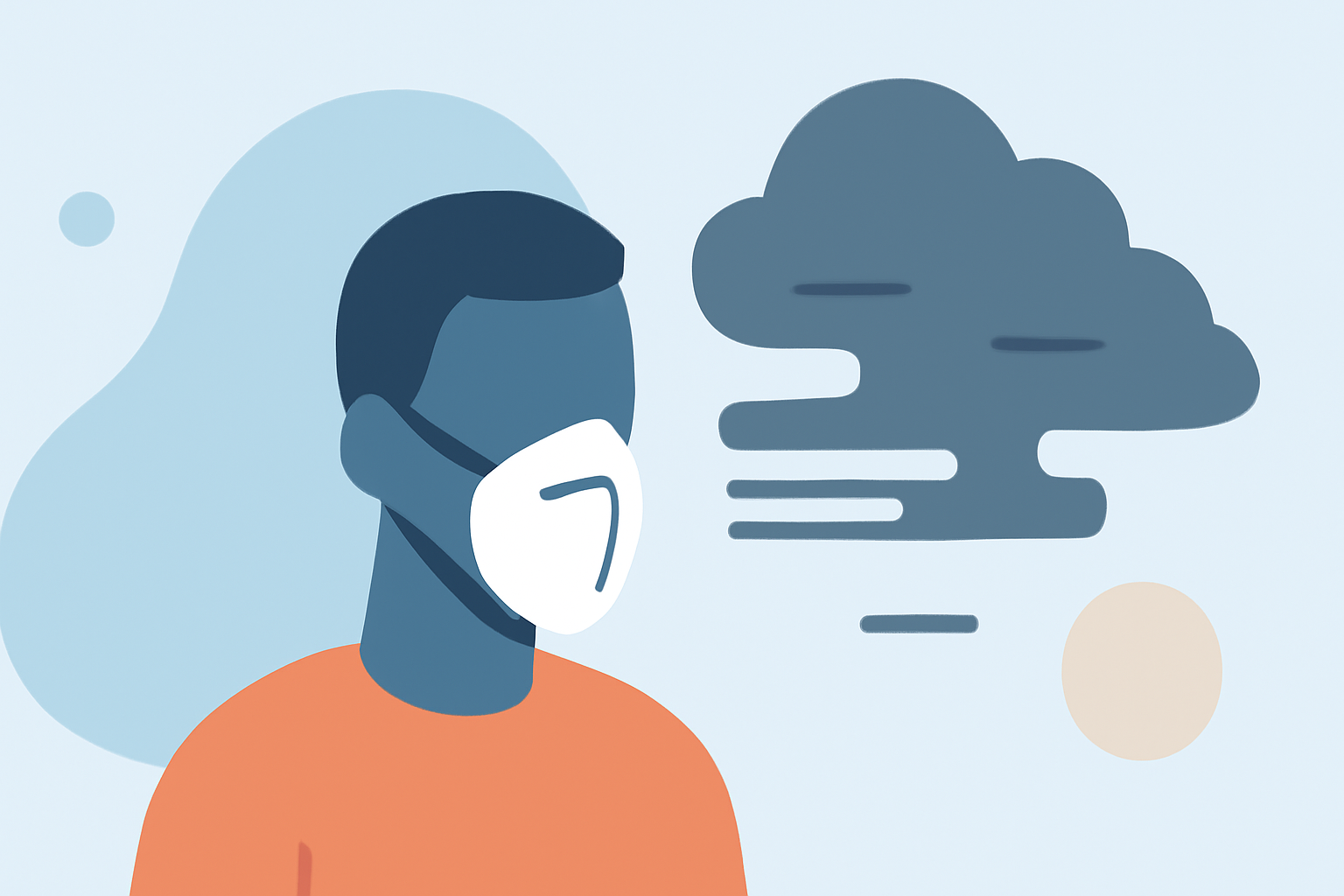
Wildfires pose significant health risks due to the smoke they produce, which can infiltrate homes and communities, leading to respiratory issues and other health problems. Understanding how to protect yourself during these events is crucial. This guide provides practical tips to help you stay safe when wildfire smoke affects your area.
What Are the Health Risks of Wildfire Smoke?
Wildfire smoke contains a mixture of gases and fine particles that can irritate the eyes, nose, and throat, and exacerbate respiratory conditions such as asthma and bronchitis. Prolonged exposure can lead to more severe health issues, including cardiovascular problems. Vulnerable groups include children, the elderly, and individuals with pre-existing health conditions.
How Can I Monitor Air Quality During Wildfire Events?
Monitoring air quality is essential to assess the safety of outdoor activities. The Air Quality Index (AQI) is a standardized system that measures air pollution levels. During wildfire events, the AQI can reach hazardous levels, indicating that outdoor air is unsafe. It's advisable to stay updated on local air quality reports and heed any advisories or warnings issued by health authorities.
What Steps Can I Take to Create a Clean Indoor Environment?
Creating a clean indoor environment helps minimize exposure to harmful pollutants. Here are some steps you can take:
-
Keep windows and doors closed: Prevent outdoor smoke from entering your home by keeping all openings sealed.
-
Use air purifiers: High-efficiency particulate air (HEPA) filters can capture fine particles from the air, improving indoor air quality.
-
Avoid using tobacco or candles: These can introduce additional pollutants into the indoor air.
-
Limit the use of air conditioning: If your system doesn't have a clean air intake, it may draw in polluted outdoor air.
How Can I Protect Myself When I Need to Go Outside?
If you must go outside during a wildfire smoke event, consider the following protective measures:
-
Wear a properly fitted N95 respirator: These masks can filter out harmful particles from the air, reducing inhalation of pollutants.
-
Limit physical activity: Reduce strenuous activities to decrease the amount of polluted air you inhale.
-
Stay informed: Keep track of local air quality reports and follow guidance from health authorities.
How Can I Stay Informed About Wildfire Smoke Events?
Staying informed is key to protecting your health during wildfire smoke events. Utilize reliable sources such as local health departments, the Environmental Protection Agency (EPA), and the Centers for Disease Control and Prevention (CDC) for updates and guidance. These organizations provide timely information on air quality and health recommendations.
How Can Clime Help Me Stay Safe During Wildfire Smoke Events?
Clime offers real-time air quality monitoring, providing up-to-date information on AQI levels in your area. This service helps you make informed decisions about outdoor activities and take necessary precautions to protect your health. By integrating Clime's monitoring tools into your daily routine, you can stay ahead of potential health risks associated with wildfire smoke.
Conclusion
Protecting your health during wildfire smoke events involves staying informed, creating a clean indoor environment, and taking appropriate precautions when necessary. By following these guidelines and utilizing resources like Clime's air quality monitoring, you can effectively safeguard yourself and your loved ones during wildfire seasons.