
Protecting Your Heart Health During Extreme Heat: A Step-by-Step Guide
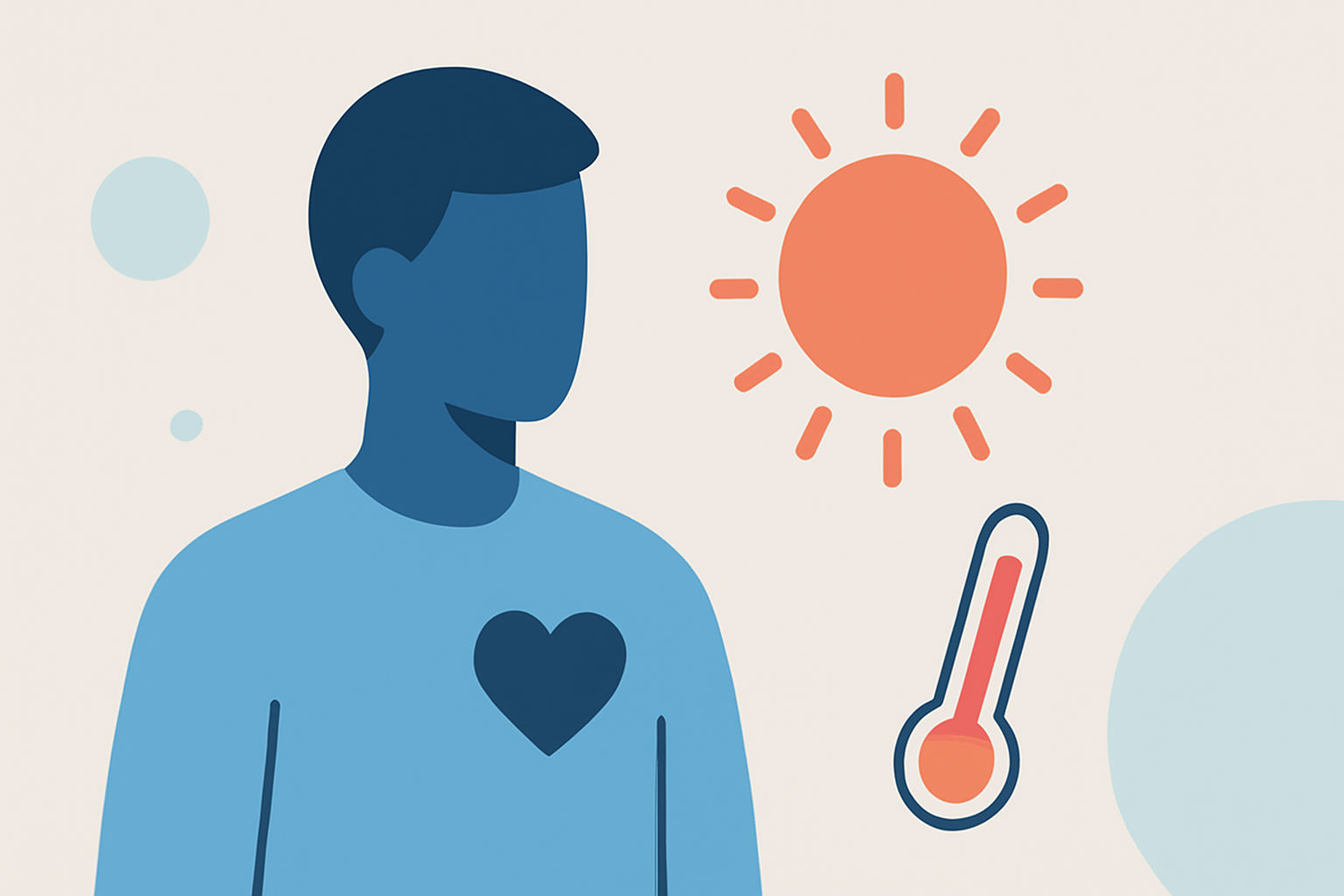
Extreme heat poses significant risks to heart health, especially for individuals with existing cardiovascular conditions. Understanding these risks and implementing protective measures can help mitigate potential health issues during hot weather.
How Does Extreme Heat Affect Heart Health?
High temperatures can place additional stress on the cardiovascular system. The body responds to heat by dilating blood vessels to dissipate heat, which can lower blood pressure and increase heart rate. This heightened demand can be particularly challenging for those with heart conditions. (health.clevelandclinic.org)
What Are the Risks for Individuals with Heart Conditions?
For individuals with cardiovascular disease, extreme heat can exacerbate existing health issues. Dehydration, a common consequence of heat exposure, can further strain the heart. Additionally, certain medications prescribed for heart conditions may increase sensitivity to heat, making it crucial to monitor health closely during hot periods. (cdc.gov)
How Can You Protect Your Heart Health in Extreme Heat?
- Stay Hydrated:
- Drink Water Regularly: Ensure consistent hydration by drinking water before, during, and after exposure to heat. Avoid beverages that can lead to dehydration, such as those containing caffeine or alcohol. (newsroom.heart.org)
- Monitor Weather Conditions:
- Check Heat Advisories: Stay informed about local heat advisories and plan activities accordingly to minimize exposure during peak heat periods. (newsroom.heart.org)
- Dress Appropriately:
- Wear Lightweight Clothing: Opt for light-colored, loose-fitting clothing made of breathable fabrics to facilitate heat dissipation. (newsroom.heart.org)
- Limit Physical Activity:
- Avoid Strenuous Exercise: Refrain from intense physical activities during the hottest parts of the day to reduce strain on the heart. (health.harvard.edu)
- Seek Cool Environments:
- Use Air Conditioning: Spend time in air-conditioned spaces or visit public cooling centers to maintain a cooler body temperature. (newsroom.heart.org)
- Be Aware of Medication Effects:
- Consult Healthcare Providers: Review medications with a healthcare professional to understand their impact on heat sensitivity and make necessary adjustments. (cdc.gov)
When Should You Seek Medical Attention?
Recognize the signs of heat-related illnesses, such as dizziness, rapid heartbeat, nausea, or confusion. If these symptoms occur, move to a cooler place, hydrate, and seek medical attention promptly. (newsroom.heart.org)
By proactively implementing these steps, individuals can better protect their heart health during extreme heat conditions.
Highlights:
- Heart problems and the heat: What to know and do - Harvard Health, Published on Wednesday, March 11
- How the Heat Can Affect Your Heart, Published on Tuesday, May 05
- Cardiovascular Disease: Risk of Death Higher In Extreme Heat, Published on Saturday, August 16