
Protecting Your Musical Instruments: Humidity Monitoring with iPhone Integration
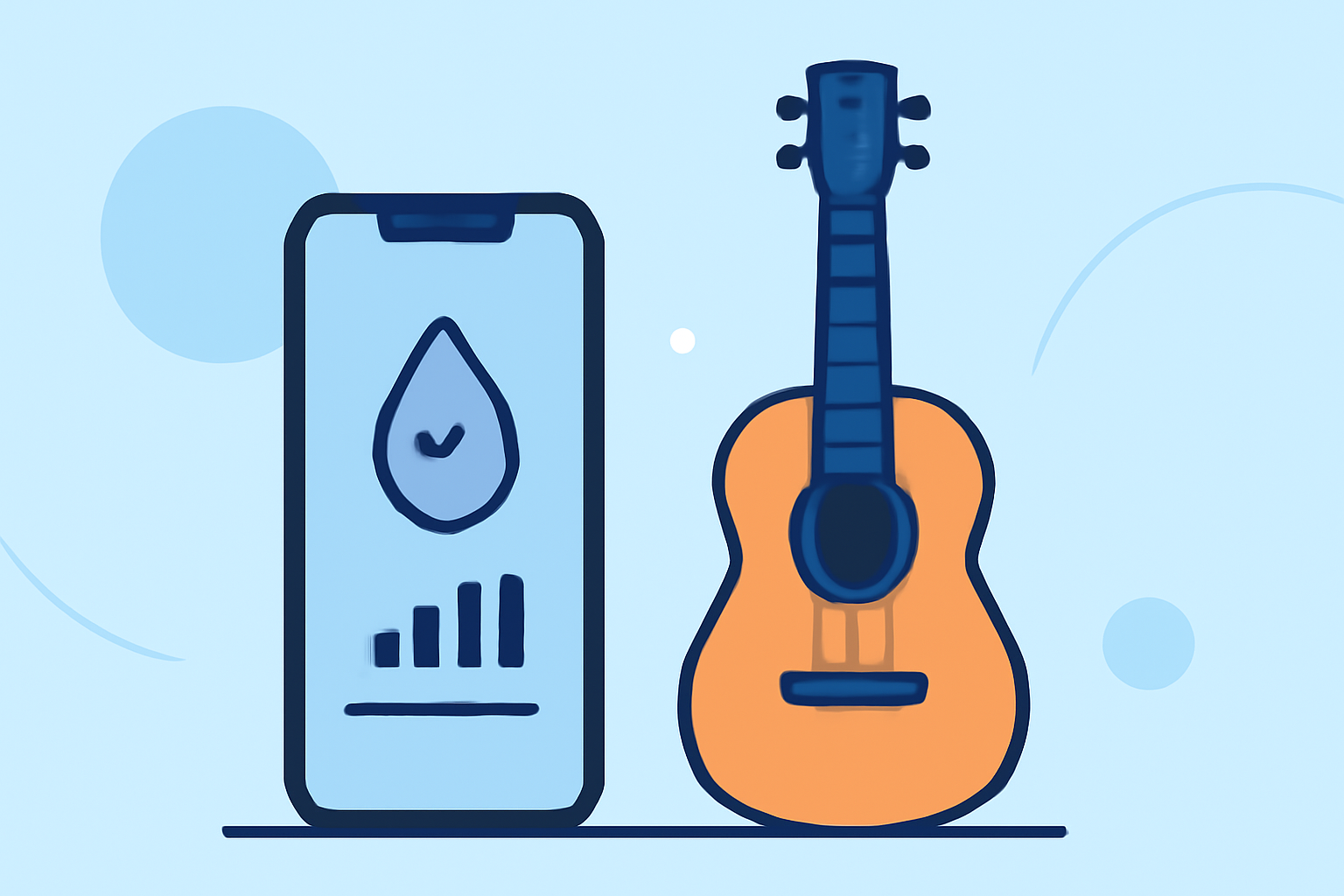
Maintaining optimal humidity levels is crucial for preserving the quality and longevity of musical instruments. Exposing instruments to excessive moisture or dryness can lead to warping, cracking, and diminished sound quality. Advancements in technology have introduced innovative solutions that allow musicians to monitor and control the environmental conditions affecting their instruments directly from their iPhones.
Understanding the Impact of Humidity on Musical Instruments
Humidity fluctuations can cause materials like wood and metal to expand or contract, leading to structural damage and altered tonal properties. For instance, wooden instruments such as guitars and violins are particularly susceptible to changes in humidity, which can result in cracks, warping, or glue joint failures. Therefore, maintaining a stable environment is essential for preserving the instrument's integrity and sound quality.
iPhone-Compatible Humidity Monitoring Solutions
Several devices integrate with iPhones to provide real-time monitoring of temperature and humidity levels inside instrument cases. These solutions typically consist of a small sensor placed within the instrument case and an accompanying app on the iPhone. The sensor continuously measures environmental conditions and transmits the data to the app, allowing musicians to monitor their instruments' environment remotely.
Key Features to Look For
When selecting a humidity monitoring system compatible with iPhone, consider the following features:
-
Real-Time Alerts: The system should send immediate notifications if temperature or humidity levels fall outside the preset safe range, enabling prompt corrective action.
-
Data Logging: The ability to record historical data allows musicians to track environmental trends over time, aiding in proactive maintenance.
-
Multiple Sensor Support: For those with multiple instruments, the capability to monitor several sensors simultaneously is beneficial.
-
User-Friendly Interface: An intuitive app design ensures ease of use, even for those less tech-savvy.
Implementing a Humidity Monitoring System
To effectively implement a humidity monitoring system with your iPhone:
-
Choose a Compatible Device: Select a humidity sensor that integrates seamlessly with your iPhone.
-
Install the Sensor: Place the sensor inside your instrument case, ensuring it is securely attached and positioned to accurately measure the internal environment.
-
Set Up the App: Download the corresponding app from the App Store and follow the setup instructions to pair it with the sensor.
-
Configure Alerts: Define the acceptable temperature and humidity ranges within the app. Set up notifications to alert you when conditions deviate from these parameters.
-
Regular Monitoring: Periodically check the app to ensure your instruments are maintained within optimal conditions.
Benefits of Using iPhone-Compatible Humidity Monitoring
-
Convenience: Monitor your instruments' environment remotely without the need to open the case, preserving the internal conditions.
-
Preventative Maintenance: Early detection of unfavorable conditions allows for timely interventions, reducing the risk of damage.
-
Peace of Mind: Knowing that your instruments are being monitored provides confidence, especially when traveling or storing them in varying environments.
Conclusion
Integrating a humidity monitoring system with your iPhone offers a proactive approach to safeguarding your musical instruments from environmental damage. By selecting a compatible device with real-time alerts and data logging capabilities, you can ensure your instruments remain in optimal condition, preserving their playability and value for years to come.
(apps.apple.com)