
Protecting Your Pets During Intense Precipitation: Essential Tips for Pet Owners
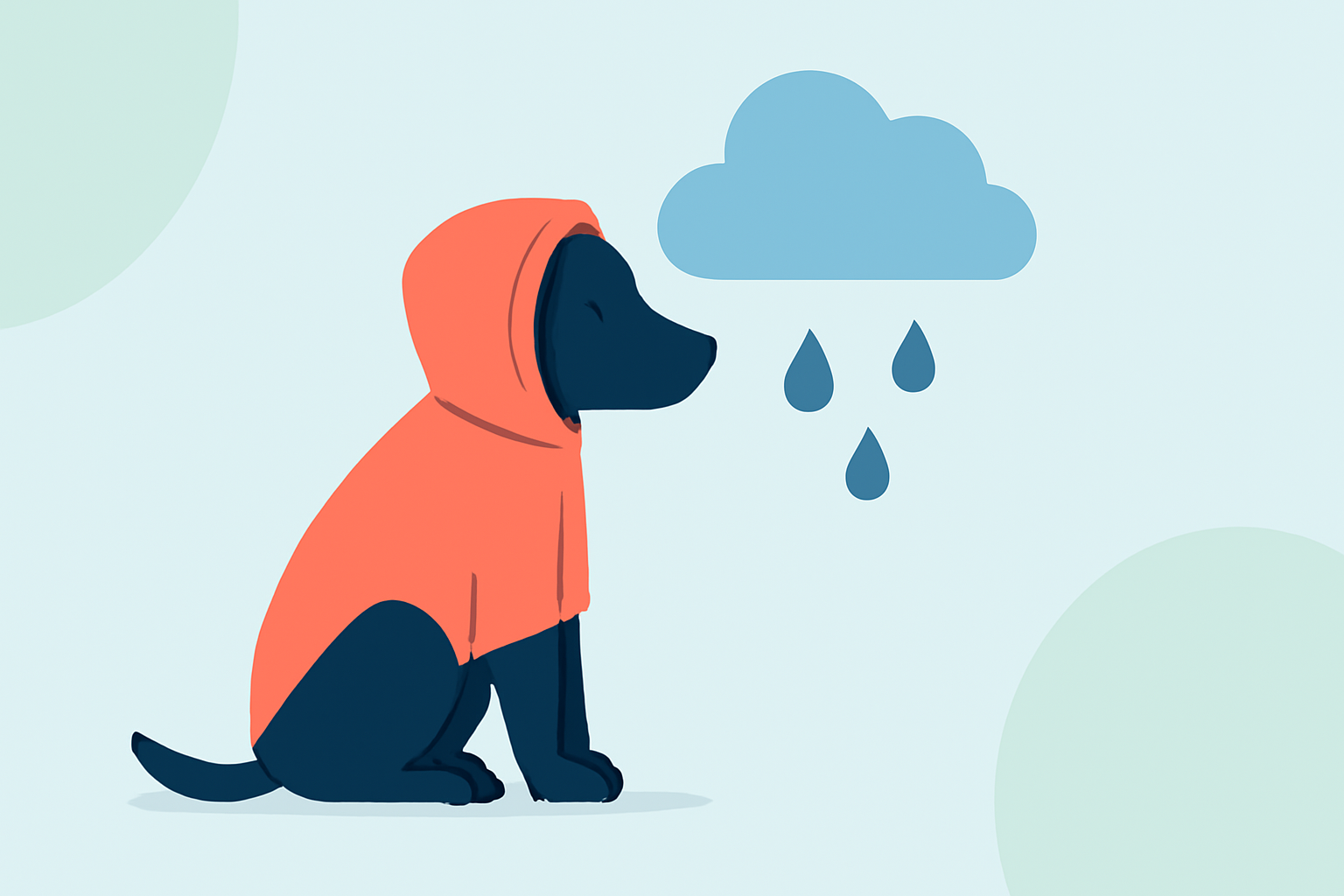
Intense precipitation, including heavy rain and storms, can pose significant risks to pets. Understanding these dangers and implementing preventive measures are crucial for their safety.
How Does Intense Precipitation Affect Pets?
Increased Risk of Waterborne Diseases
Heavy rainfall can lead to the accumulation of stagnant water, creating breeding grounds for harmful bacteria and parasites. Pets exposed to these contaminated waters are at risk of infections such as leptospirosis and giardiasis. Leptospirosis, for instance, is a bacterial infection that can cause severe liver and kidney damage in dogs. (petmd.com)
Behavioral Changes Due to Storms
Many pets experience anxiety during storms, which can manifest as destructive behavior, hiding, or attempts to escape. This heightened stress can lead to injuries or accidents if pets try to flee from the noise and vibrations associated with storms. (humanesocietyofcharlotte.org)
How Can Pet Owners Protect Their Pets During Intense Precipitation?
Keep Pets Indoors During Storms
Bringing pets inside during heavy rain and storms is essential to protect them from potential hazards. Outdoor environments during such weather can expose pets to various dangers, including waterborne diseases and accidents. (petmd.com)
Create a Safe and Comfortable Environment
Designate a quiet, comfortable area in your home where your pet can retreat during storms. This space should be away from windows and loud noises, providing a sense of security. Offering familiar toys or treats can also help distract and calm your pet. (humanesocietyofcharlotte.org)
Use Protective Gear
For pets that must go outside during wet conditions, consider using waterproof clothing to keep them dry and reduce exposure to harmful bacteria. Additionally, ensure that your pet's collar or harness is made of non-metallic materials to prevent potential injury during lightning storms. (petmd.com)
Monitor Health and Hygiene
After your pet has been outside during wet weather, thoroughly dry them off to prevent skin infections. Regularly check for signs of illness, such as lethargy, vomiting, or diarrhea, and consult your veterinarian if any symptoms arise. (petmd.com)
Stay Informed About Weather Conditions
Utilize reliable weather forecasting services to stay updated on impending storms or heavy rainfall. This proactive approach allows you to take necessary precautions in advance, ensuring your pet's safety during adverse weather conditions.
How Can Clime Assist Pet Owners in Monitoring Weather Conditions?
Clime offers advanced weather monitoring tools that provide real-time updates and forecasts, enabling pet owners to stay informed about changing weather patterns. By utilizing Clime's services, you can receive timely alerts about severe weather events, allowing you to take appropriate actions to protect your pets.
FAQs
How can I calm my pet during a storm?
Creating a safe space with familiar items and using calming aids can help reduce your pet's anxiety during storms. (petmd.com)
Is it safe to walk my dog during heavy rain?
It's advisable to limit outdoor activities during heavy rain to prevent exposure to waterborne diseases and reduce the risk of accidents. (petmd.com)
What should I do if my pet gets wet during a storm?
Dry your pet thoroughly with a towel and monitor for signs of illness. If symptoms like vomiting or diarrhea occur, consult your veterinarian promptly. (petmd.com)
Can pets be struck by lightning?
Yes, pets can be struck by lightning, though it's rare. To minimize risk, keep pets indoors during thunderstorms. (petmd.com)
How can I prevent my pet from drinking from puddles?
Supervise your pet during walks to prevent them from drinking from puddles, as they may contain harmful bacteria. (petmd.com)
By understanding the risks associated with intense precipitation and implementing these protective measures, you can ensure your pet remains safe and healthy during adverse weather conditions.