
Protecting Your Pets from Harmful Algal Blooms: A Seasonal Guide
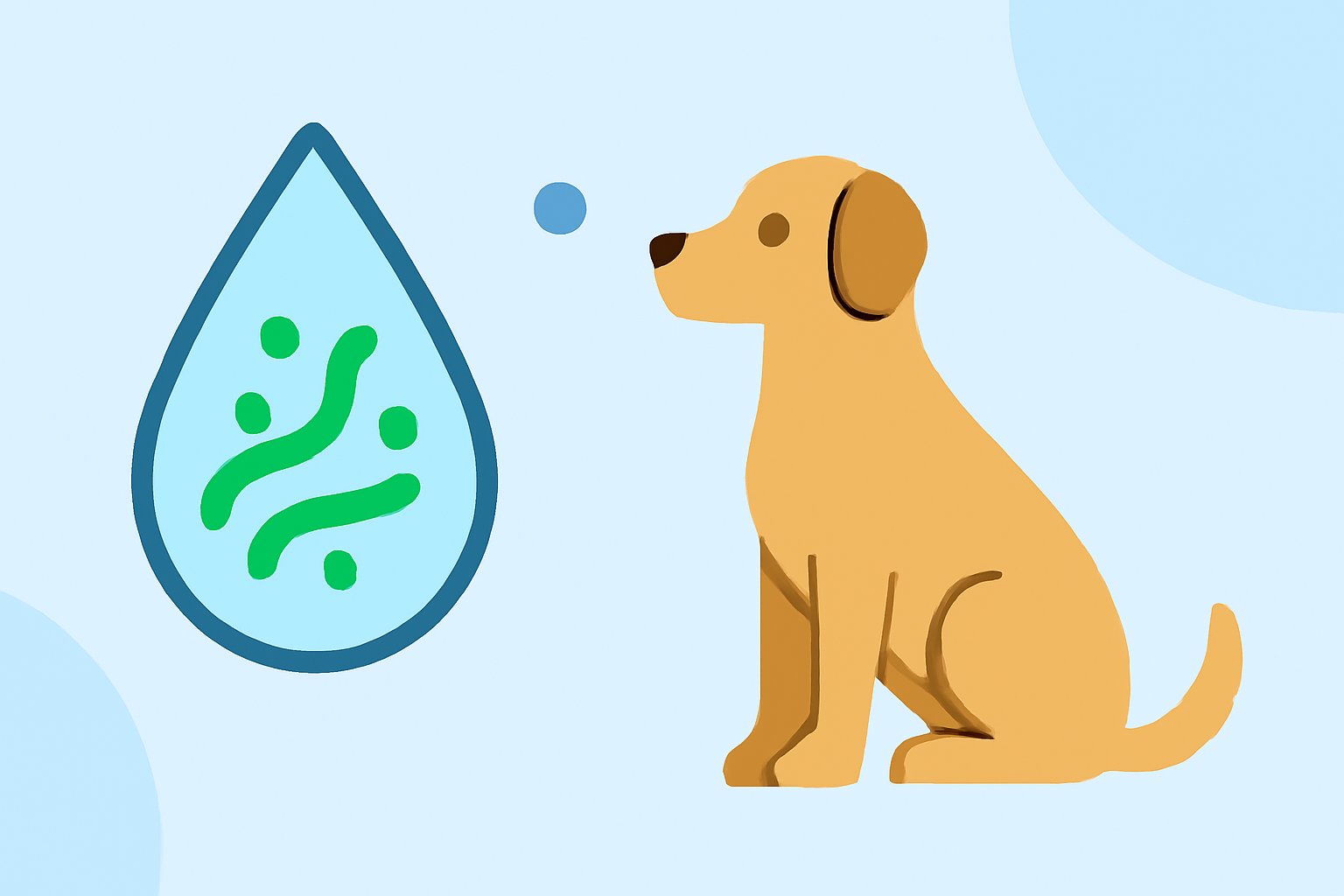
As summer approaches, pet owners should be vigilant about the risks posed by harmful algal blooms (HABs). These overgrowths of algae in water bodies can produce toxins harmful to both humans and animals. Understanding the seasonal patterns of HABs and implementing protective measures are crucial for your pet's safety.
What Are Harmful Algal Blooms?
Harmful algal blooms are overgrowths of algae in water bodies that can produce dangerous toxins. These blooms can occur in lakes, rivers, ponds, bays, and coastal waters. The toxins released can sicken or kill people and animals, create low-oxygen or "dead zones" in the water, and hurt industries that depend on clean water. (epa.gov)
When Do Harmful Algal Blooms Occur?
HABs are more prevalent during warmer months, typically from late spring through early fall. Factors such as elevated water temperatures, increased nutrient levels from runoff, and calm water conditions contribute to the proliferation of these blooms. (epa.gov)
Identifying Harmful Algal Blooms
Recognizing the signs of a HAB is essential:
- Discoloration: Water may appear green, blue, brown, or red.
- Surface Scum: Thick, mat-like accumulations on the water's surface.
- Unpleasant Odors: Some blooms emit a foul smell.
If you observe any of these signs, it's advisable to keep your pet away from the water. (epa.gov)
Risks to Pets
Pets can be exposed to HAB toxins through:
- Drinking contaminated water.
- Swimming in affected waters.
- Eating algae mats or contaminated fish.
- Licking toxins off their fur after contact.
Symptoms of exposure in pets include vomiting, diarrhea, weakness, staggering, drooling, difficulty breathing, and seizures. In severe cases, death can occur within hours to days of exposure. (epa.gov)
Protective Measures for Pet Owners
To safeguard your pet during the HAB season:
- Stay Informed: Regularly check local water quality reports and advisories.
- Avoid Affected Areas: Keep your pet away from waters exhibiting signs of a bloom.
- Rinse After Exposure: If your pet comes into contact with potentially contaminated water, rinse them thoroughly with clean water.
- Seek Veterinary Care: If you suspect your pet has been exposed, consult a veterinarian immediately.
Clime's Role in Protecting Your Pets
Clime offers real-time environmental monitoring services that can help you stay informed about local water quality conditions. By providing timely alerts and detailed reports, Clime empowers pet owners to make informed decisions, ensuring the safety of their furry companions during the HAB season.
Conclusion
Being proactive and informed about harmful algal blooms is vital for the health and safety of your pets. By recognizing the signs, understanding the risks, and taking preventive actions, you can enjoy the summer months with peace of mind.
Highlights:
- Climate Change and Freshwater Harmful Algal Blooms | US EPA, Published on Thursday, February 05
- Cyanobacterial Harmful Algal Blooms Forecasting Research | US EPA, Published on Thursday, April 02
- How to Protect Your Pooch | US EPA, Published on Wednesday, May 13