
Protecting Your Respiratory Health in Changing Weather Conditions
Weather fluctuations can significantly impact respiratory health, especially for individuals with chronic lung conditions. Understanding these effects and implementing protective measures can help maintain optimal lung function.
How Does Weather Affect Respiratory Health?
Both cold and hot weather can pose challenges to respiratory well-being. Cold air can irritate airways, leading to bronchospasm and increased breathing difficulties. Conversely, hot, humid conditions can cause airway inflammation and exacerbate respiratory disorders like chronic obstructive pulmonary disease (COPD). (health.clevelandclinic.org)
What Are the Risks of Extreme Temperatures?
Extreme temperatures can trigger respiratory symptoms and increase the risk of exacerbations. Cold air can cause bronchial spasms, making breathing more difficult, while hot, humid air can induce airway constriction, leading to breathing difficulties. (mayoclinichealthsystem.org)
How Can You Adapt to Temperature Changes?
-
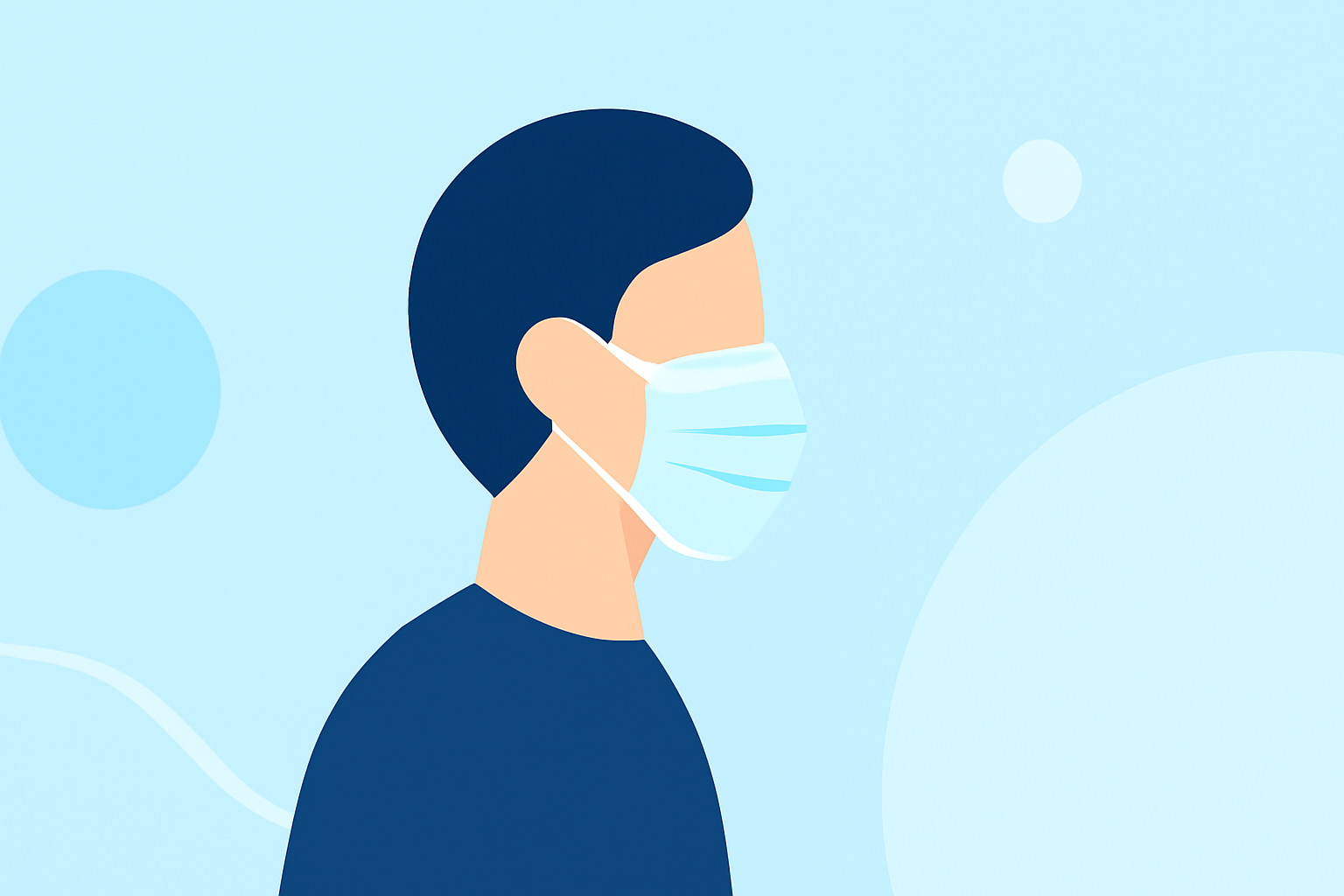
Dress Appropriately: In cold weather, wear a scarf or mask over your nose and mouth to warm and humidify the air before it enters your lungs. (mayoclinichealthsystem.org)
-
Limit Outdoor Activities: Avoid strenuous activities in extreme temperatures to reduce stress on your respiratory system.
What Are Effective Strategies to Protect Your Lungs?
-
Monitor Air Quality: Stay informed about local air quality levels, as pollution can worsen respiratory conditions. (lung.org)
-
Stay Hydrated: Drink plenty of fluids to keep your respiratory tract moist and more resistant to irritants.
-
Use Medications as Prescribed: Ensure you have quick-relief medications available and follow your asthma or COPD action plan. (lung.org)
-
Maintain a Healthy Lifestyle: Engage in regular exercise, eat a balanced diet, and manage stress to support overall lung health.
How Can You Prepare for Respiratory Season?
Respiratory season typically begins in November and peaks between January and February. To prepare:
-
Get Vaccinated: Stay updated on recommended immunizations, including the flu and COVID-19 vaccines. (health.clevelandclinic.org)
-
Practice Good Hygiene: Wash your hands regularly to reduce the spread of respiratory infections.
-
Stay Informed: Keep track of local weather forecasts and air quality reports to anticipate and mitigate potential respiratory triggers.
When Should You Seek Medical Attention?
If you experience new or worsening breathing difficulties, especially during extreme weather conditions, consult a healthcare professional promptly. Early intervention can prevent complications and improve quality of life.
By understanding the relationship between weather and respiratory health, and by taking proactive steps, you can better manage your lung health throughout the year.
Highlights:
- 5 Tips to Help You Breathe Easier in Hot or Cold Weather, Published on Tuesday, March 02
- Cold weather and your lungs - Mayo Clinic Health System, Published on Thursday, January 26
- Can Weather Change Make You Sick?, Published on Monday, February 23