
Protecting Your Dog During Poor Air Quality Events
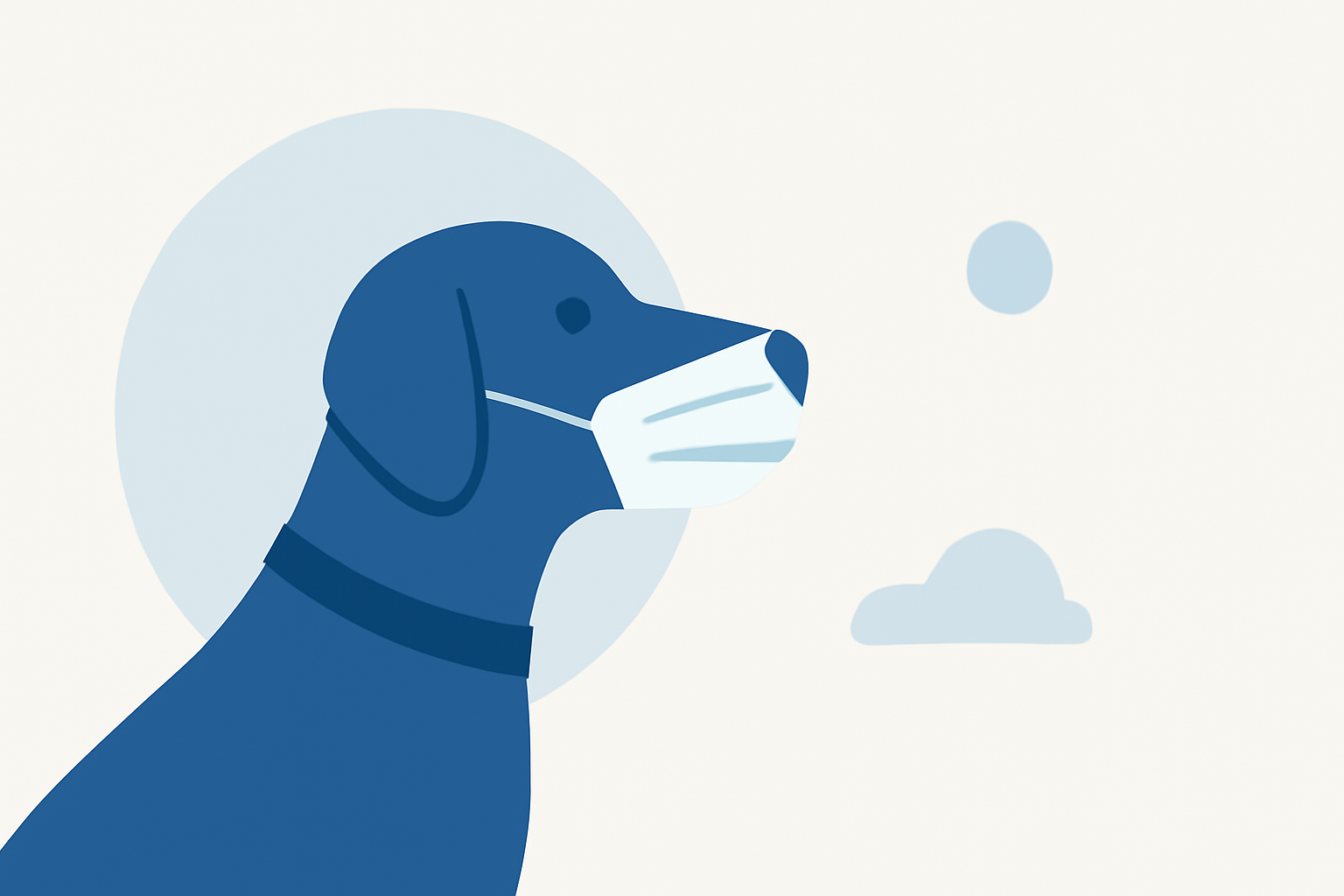
As a responsible pet owner, ensuring your dog's health during periods of poor air quality is paramount. Wildfires, pollution, and other environmental factors can significantly degrade air quality, posing risks to both humans and animals.
Understanding Air Quality Index (AQI) Levels
The Air Quality Index (AQI) is a standardized system that measures air pollution levels and their potential health impacts. It categorizes air quality into several levels:
- Good (0-50): Air quality is satisfactory, posing little or no risk.
- Moderate (51-100): Air quality is acceptable; however, there may be a risk for some individuals who are unusually sensitive to air pollution.
- Unhealthy for Sensitive Groups (101-150): Sensitive individuals may experience health effects; the general public is less likely to be affected.
- Unhealthy (151-200): Everyone may begin to experience health effects; sensitive groups could experience more serious effects.
- Very Unhealthy (201-300): Health alert: everyone may experience more serious health effects.
- Hazardous (301-500): Health warning of emergency conditions; the entire population is more likely to be affected.
These categories help determine the level of risk associated with outdoor activities during various AQI levels. (en.wikipedia.org)
Impact of Poor Air Quality on Dogs
Dogs are susceptible to the same air pollutants that affect humans, including particulate matter and ozone. Exposure can lead to respiratory issues, eye irritation, and exacerbation of pre-existing health conditions. Certain breeds, such as Bulldogs and Pugs, are more vulnerable due to their short muzzles. Additionally, older dogs and those with heart or lung diseases are at increased risk. (vet.cornell.edu)
Recognizing Symptoms of Exposure
Be vigilant for signs that your dog may be affected by poor air quality:
- Coughing or gagging
- Rapid breathing or difficulty breathing
- Red or watery eyes
- Nasal discharge
- Lethargy or decreased activity levels
If you observe any of these symptoms, consult your veterinarian promptly. (vet.cornell.edu)
Protective Measures for Your Dog
To minimize your dog's exposure to poor air quality:
- Limit Outdoor Activities: Keep your dog indoors when the AQI is above 100. (ph.lacounty.gov)
- Create a Clean Indoor Environment: Use air purifiers with HEPA filters and keep windows and doors closed to reduce indoor pollution levels. (ph.lacounty.gov)
- Monitor Air Quality: Regularly check local AQI levels through reliable sources to stay informed about air quality conditions. (kosu.org)
- Provide Indoor Enrichment: Engage your dog with indoor activities like puzzle toys, training sessions, and interactive games to keep them mentally stimulated.
Additional Considerations
- Avoid Using Masks on Dogs: Do not place N95 respirators or other masks on your dog, as they can be harmful and impede breathing. (ph.lacounty.gov)
- Clean Your Dog After Outdoor Exposure: If your dog has been outside during poor air quality conditions, wipe their paws and coat with a damp cloth to remove any pollutants. (ph.lacounty.gov)
Conclusion
Protecting your dog during periods of poor air quality requires proactive measures, including limiting outdoor exposure, maintaining a clean indoor environment, and staying informed about local air quality levels. By taking these steps, you can help ensure your dog's health and well-being during challenging environmental conditions.
Highlights:
- What the air quality index misses, Published on Tuesday, January 21