
Protecting Your Family: Choosing the Best Sunscreen for UV Forecasts
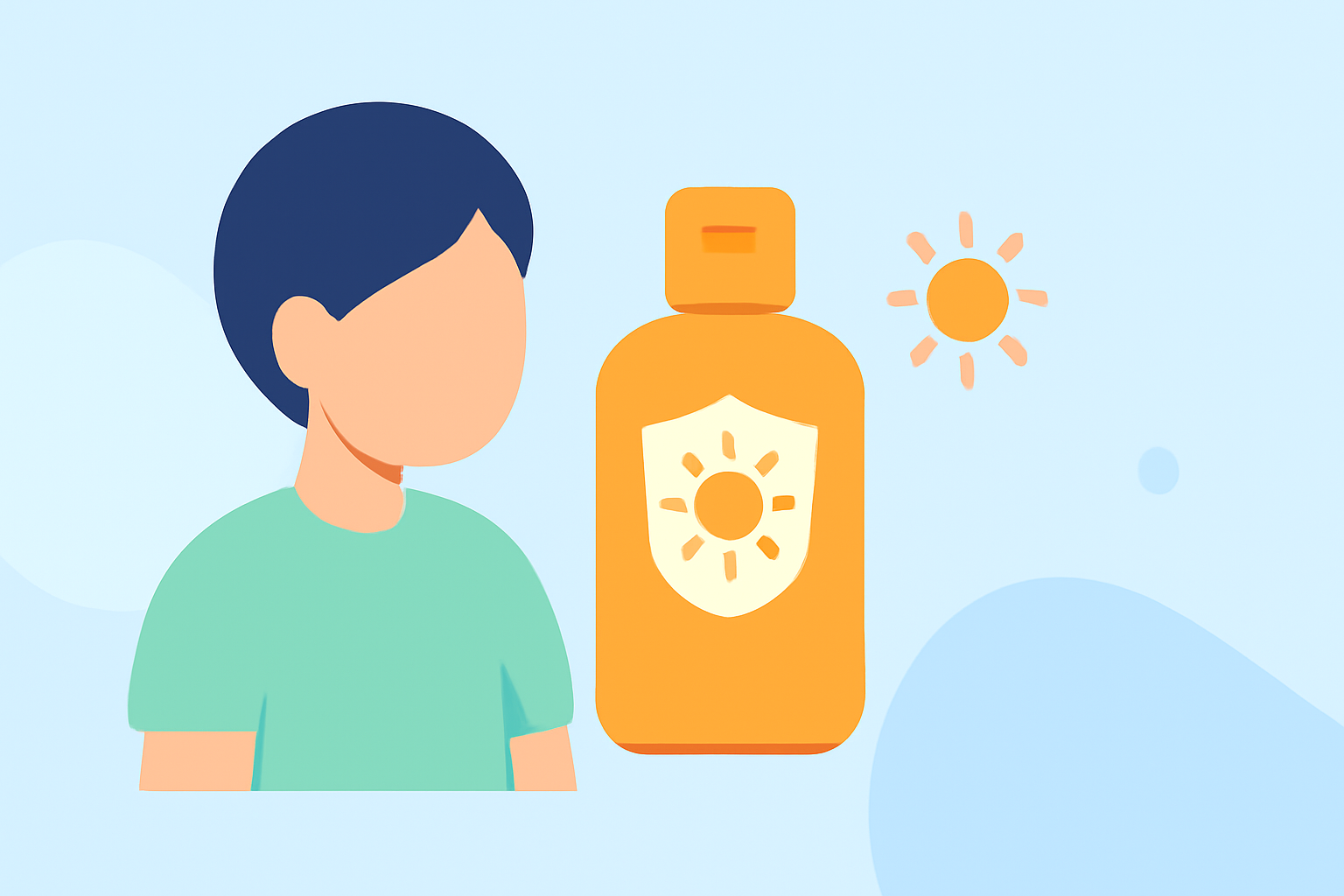
Protecting your family from harmful ultraviolet (UV) rays is essential, especially when UV forecasts indicate high levels. Understanding how to choose the right sunscreen can make a significant difference in safeguarding your loved ones.
Understanding UV Forecasts
UV forecasts provide daily information about the strength of UV radiation, helping you plan outdoor activities safely. A higher UV index means a greater potential for skin damage. Monitoring these forecasts allows you to take appropriate precautions, such as applying sunscreen, wearing protective clothing, and limiting sun exposure during peak hours.
Key Features to Look for in Sunscreen
When selecting a sunscreen, consider the following factors:
-
Sun Protection Factor (SPF): Choose a sunscreen with an SPF of at least 30. This level blocks approximately 97% of UVB rays, offering substantial protection. (healthline.com)
-
Broad-Spectrum Protection: Ensure the sunscreen protects against both UVA and UVB rays. UVA rays contribute to skin aging, while UVB rays are primarily responsible for sunburn. (chla.org)
-
Water Resistance: Opt for water-resistant formulas if your family plans to swim or engage in activities that cause sweating. Water-resistant sunscreens maintain their effectiveness for up to 80 minutes in water. (kidshealth.org)
-
Mineral vs. Chemical Sunscreens: Mineral sunscreens, containing zinc oxide or titanium dioxide, sit on the skin's surface and physically block UV rays. They are often recommended for sensitive skin. Chemical sunscreens absorb UV rays and may be more suitable for those without sensitive skin. (chla.org)
Applying Sunscreen Effectively
Proper application is crucial for sunscreen efficacy:
-
Generous Application: Use about one ounce (enough to fill a shot glass) to cover the exposed areas of the body. (kidshealth.org)
-
Timing: Apply sunscreen 15 to 30 minutes before going outside to allow it to absorb and start working. (kidshealth.org)
-
Reapplication: Reapply every two hours, or more frequently if swimming or sweating. (kidshealth.org)
Additional Protective Measures
Beyond sunscreen, consider these protective strategies:
-
Protective Clothing: Dress your family in lightweight, long-sleeved shirts, pants, and hats to provide physical barriers against UV rays. (healthychildren.org)
-
Seek Shade: Whenever possible, stay in the shade, especially during peak sun hours between 10 a.m. and 4 p.m. (healthychildren.org)
-
Limit Sun Exposure: Plan outdoor activities for early morning or late afternoon when UV levels are lower.
Clime's Role in Sun Safety
Clime offers a comprehensive suite of tools to help you monitor UV forecasts and plan sun-safe activities for your family. By integrating Clime's weather tracking capabilities, you can receive real-time UV index updates, ensuring timely and informed decisions about sun exposure. This proactive approach empowers you to protect your family's skin health effectively.
By understanding UV forecasts and selecting the appropriate sunscreen, you can significantly reduce the risk of sun damage and enjoy outdoor activities safely with your family.