
Protecting Your Pets During Wildfires: Essential Safety Measures
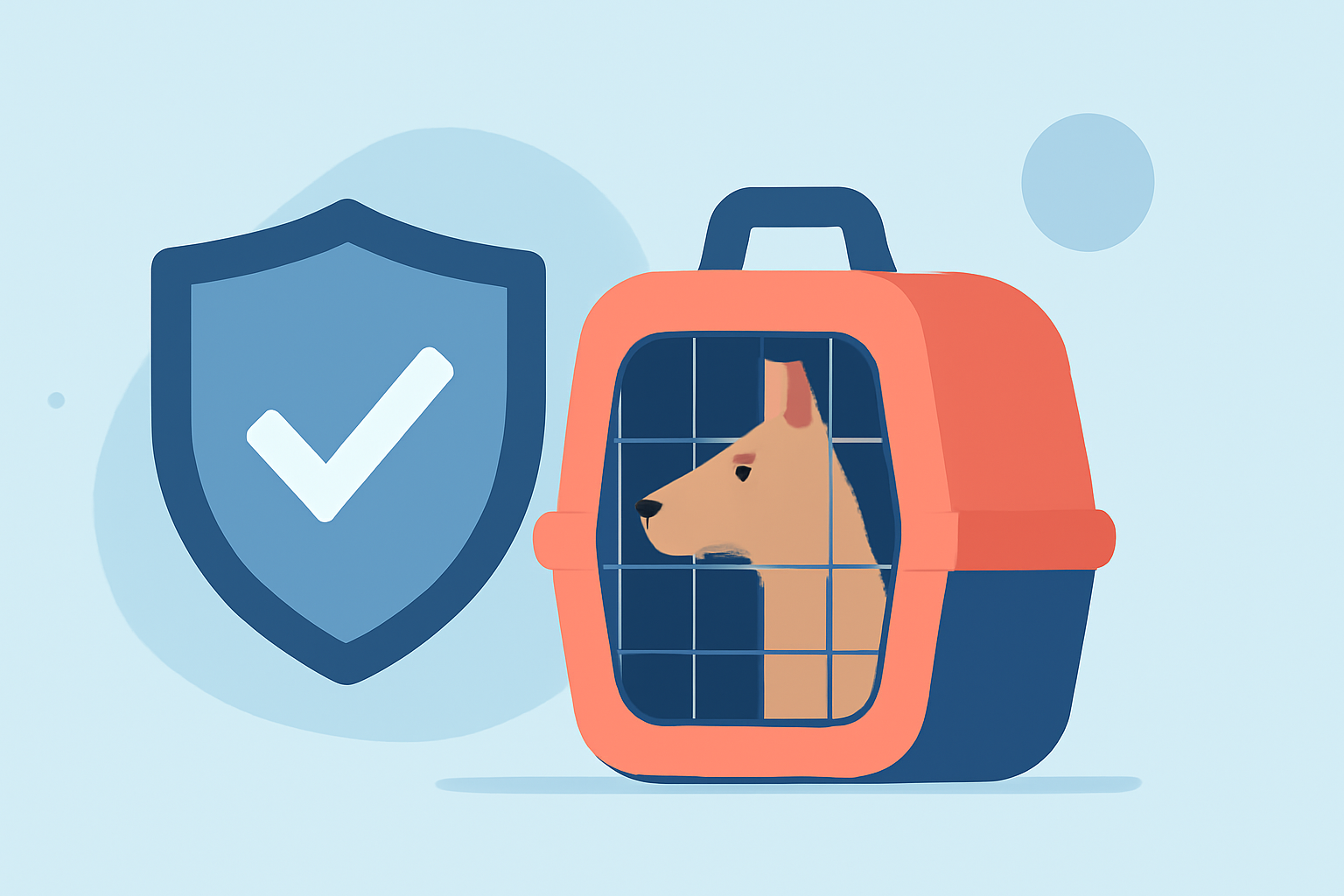
Wildfires pose significant threats to both humans and animals, especially pets. As these natural disasters become more frequent and intense, understanding how to protect your pets is crucial. This guide provides essential safety measures to ensure your pets remain safe during wildfire events.
How Do Wildfires Affect Pets?
Wildfires can impact pets in several ways:
-
Smoke Inhalation: Pets exposed to wildfire smoke may experience respiratory issues, including coughing, wheezing, and difficulty breathing. (akc.org)
-
Heat Exposure: High temperatures associated with wildfires can lead to heat stress in pets.
-
Displacement: Wildfires can force evacuations, leaving pets without shelter.
What Are the Signs of Smoke Inhalation in Pets?
Monitor your pets for the following symptoms:
-
Coughing or gagging
-
Difficulty breathing
-
Red or watery eyes
-
Runny nose
-
Fatigue or lethargy
-
Disorientation
-
Decreased appetite
If you observe any of these signs, consult your veterinarian promptly. (akc.org)
How Can I Prepare My Pets for a Wildfire?
Preparation is key to ensuring your pet's safety:
-
Create an Emergency Kit: Include your pet's medical records, food, medications, bedding, toys, leashes, and a pet first aid kit. (petmd.com)
-
Develop an Evacuation Plan: Identify pet-friendly shelters or hotels in advance. (petsmart.com)
-
Keep Pets Indoors: During wildfire events, keep pets inside with windows closed to minimize smoke exposure. (oregonvma.org)
What Should I Do if I Need to Evacuate with My Pets?
If evacuation is necessary:
-
Use Pet Carriers: Ensure your pets are comfortable with their carriers to facilitate quick evacuation. (petmd.com)
-
Stay Calm: Your pets can sense your emotions; staying calm helps them remain calm.
-
Follow Official Instructions: Adhere to evacuation orders and seek shelter in designated safe areas.
How Can I Protect My Pets from Smoke Inhalation During Wildfires?
To minimize smoke exposure:
-
Limit Outdoor Activities: Keep pets indoors during periods of poor air quality. (oregonvma.org)
-
Use Air Purifiers: Utilize air purifiers to reduce indoor smoke levels.
-
Monitor Air Quality: Stay informed about local air quality reports.
What Are the Long-Term Effects of Wildfire Smoke on Pets?
Prolonged exposure to wildfire smoke can lead to:
-
Chronic Respiratory Issues: Persistent coughing or breathing difficulties.
-
Eye Irritation: Ongoing redness or discharge.
-
Decreased Activity Levels: Lethargy or reduced interest in play.
Regular veterinary check-ups are essential to monitor and address any health concerns arising from smoke exposure. (akc.org)
How Can I Help My Pets Recover After a Wildfire?
Post-wildfire recovery involves:
-
Veterinary Care: Schedule a check-up to assess your pet's health.
-
Hydration and Nutrition: Ensure your pet has access to fresh water and a balanced diet.
-
Comfort and Reassurance: Provide a calm environment to help your pet adjust.
Conclusion
Protecting your pets during wildfires requires proactive planning and vigilance. By understanding the risks and implementing safety measures, you can help ensure your pets remain safe during these challenging events.
Highlights:
- How Wildfire Smoke Affects Wildlife-and Your Pets, Published on Wednesday, June 07