
Protecting Your Skin During Heat Waves
Heat waves, characterized by prolonged periods of excessively high temperatures, can significantly impact skin health. Understanding these effects and implementing protective measures are essential for maintaining skin well-being during extreme heat.
How Do Heat Waves Affect Skin Health?
Heat waves can exacerbate various skin conditions and introduce new challenges:
-
Heat Rash (Miliaria): This condition occurs when sweat ducts become blocked, leading to red, itchy bumps. It's more common in hot, humid climates and can be aggravated by excessive sweating. (hopkinsmedicine.org)
-
Eczema Flare-Ups: Individuals with eczema may experience increased irritation and inflammation during heat waves due to heightened sweating and dehydration. (health.harvard.edu)
-
Rosacea Exacerbation: Heat can dilate blood vessels, intensifying redness and flushing associated with rosacea. (health.harvard.edu)
-
Sun Damage: Extended exposure to high temperatures often coincides with increased sun exposure, raising the risk of sunburn and long-term skin damage. (health.harvard.edu)
Protective Measures for Skin During Heat Waves
To mitigate the adverse effects of heat on your skin, consider the following strategies:
-
Stay Hydrated: Drinking ample water helps maintain skin hydration and supports overall health. (health.harvard.edu)
-
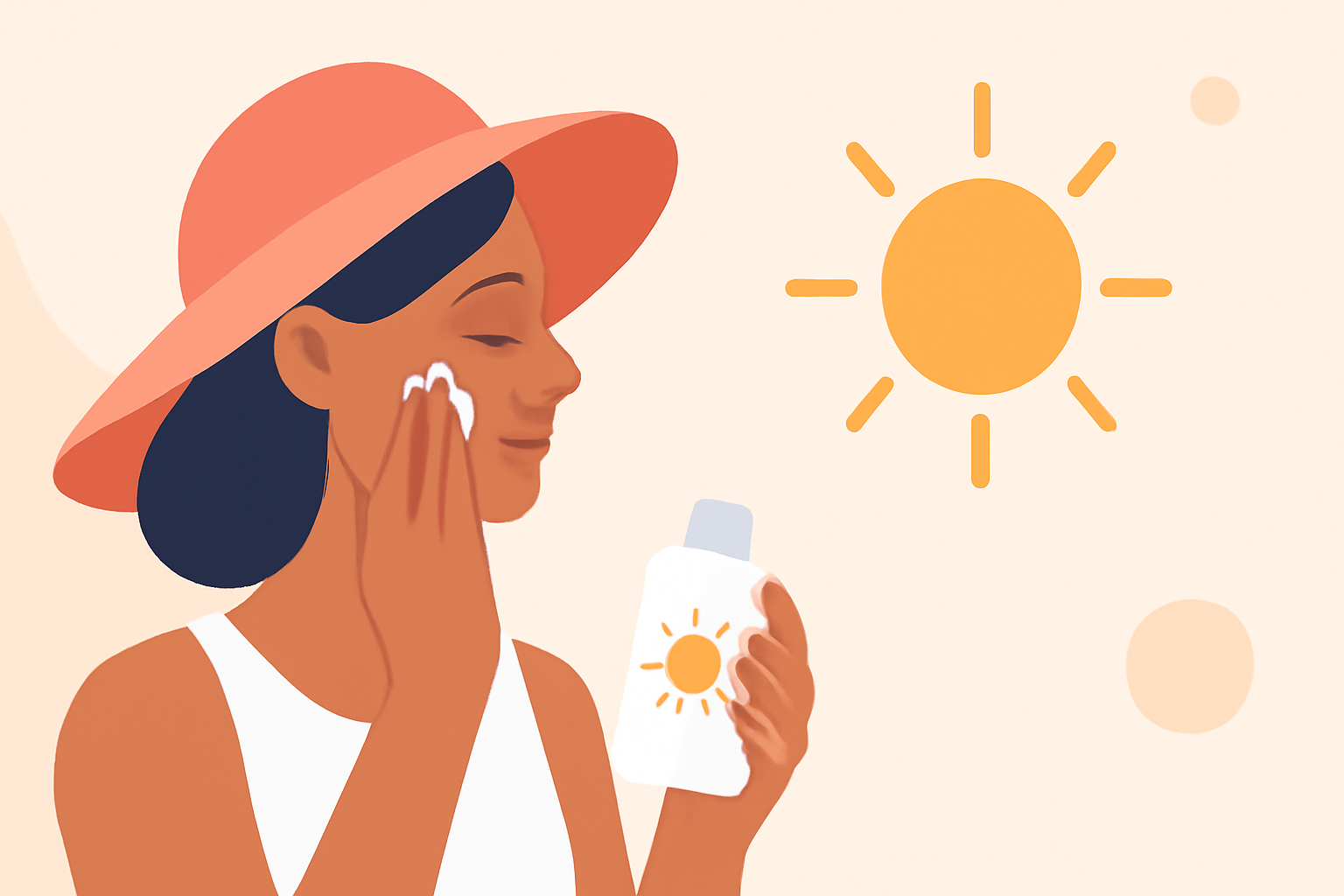
Use Sunscreen: Apply broad-spectrum sunscreen with an SPF of at least 15 to protect against harmful UV radiation. (health.harvard.edu)
-
Wear Appropriate Clothing: Opt for lightweight, loose-fitting clothing made of natural fibers like cotton to allow your skin to breathe. (hopkinsmedicine.org)
-
Seek Shade: Whenever possible, stay in shaded areas or indoors during peak heat to minimize direct sun exposure. (health.harvard.edu)
-
Cool Your Skin: Take cool showers or baths to help regulate body temperature and soothe the skin. (hopkinsmedicine.org)
Clime's Role in Skin Health During Heat Waves
Clime offers innovative solutions to help individuals monitor and manage environmental conditions, including temperature and humidity levels. By providing real-time data, Clime enables users to make informed decisions about their activities and skin care routines during heat waves. This proactive approach can significantly reduce the risk of heat-related skin issues.
Conclusion
Heat waves pose significant challenges to skin health, but with proper precautions, these risks can be mitigated. Staying informed about environmental conditions and adopting protective measures are key to maintaining skin well-being during extreme heat.
Highlights:
- Protect your skin during heat waves - here's how - Harvard Health, Published on Tuesday, August 13
- Heat rash: How to spot it and what to do - Harvard Health, Published on Thursday, August 17
- Prickly Heat | Johns Hopkins Medicine