
Protecting Yourself from Pollen: A Guide to Effective Masks
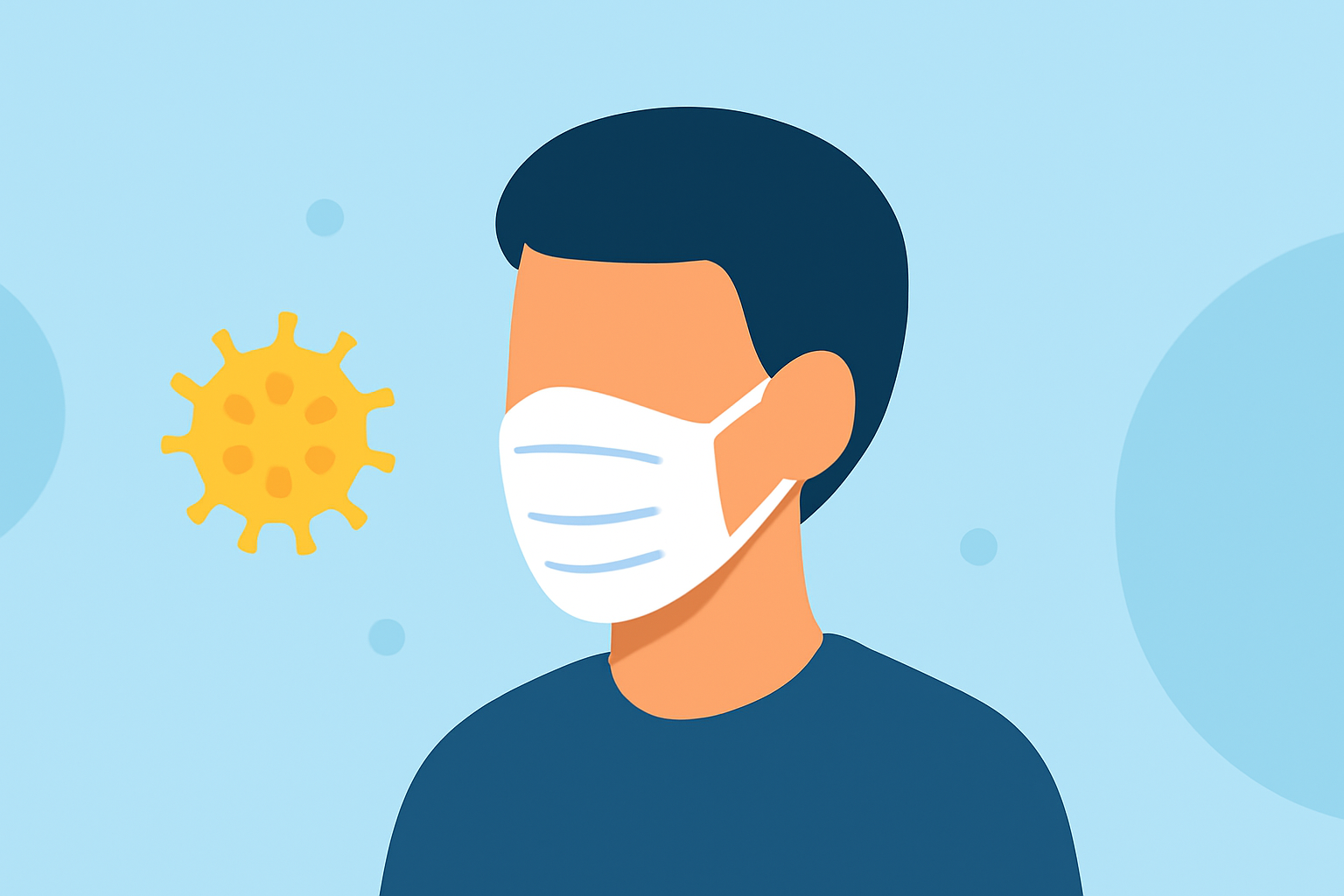
Seasonal allergies, particularly those triggered by pollen, affect millions across the United States each year. One effective strategy to mitigate these symptoms is by wearing masks designed to filter out airborne allergens.
Why Consider Wearing a Mask During Pollen Season?
Pollen particles, ranging from 10 to 100 micrometers in size, are a common cause of allergic reactions. Masks can act as a barrier, preventing these particles from entering the respiratory system. While masks may not alleviate eye-related symptoms, they can significantly reduce nasal and throat discomfort associated with pollen exposure. (healthline.com)
What Types of Masks Are Most Effective?
For optimal protection against pollen, masks with high filtration efficiency are recommended. N95 masks, for instance, are designed to filter at least 95% of airborne particles, including pollen. Similarly, KN95 masks meet comparable standards. While standard surgical masks offer some protection, they are less effective than N95 or KN95 masks. (healthline.com)
How Do Masks Filter Out Pollen?
Masks designed for pollen protection typically feature multiple layers:
-
Primary Filter: Captures larger particles like dust and pollen.
-
Micro-Particle Layer: Blocks smaller particles, including fine dust and pollutants.
-
Activated Carbon Layer: Absorbs odors and gaseous pollutants.
This multi-layered approach ensures comprehensive filtration, enhancing respiratory safety during peak pollen seasons. (r-pur.com)
How to Ensure a Proper Fit?
A mask's effectiveness is closely tied to its fit. To achieve a secure seal:
-
Adjustable Nose Bridge: Molds to the shape of the nose, reducing gaps.
-
Elastic Straps: Ensure the mask stays in place without causing discomfort.
-
Multiple Sizes: Choose a mask size that fits your facial structure to maintain an airtight seal. (r-pur.com)
Are There Additional Benefits to Wearing a Mask?
Beyond filtering pollen, masks can also protect against other airborne pollutants and infectious agents. By wearing a mask, you not only reduce exposure to allergens but also contribute to public health by minimizing the spread of respiratory illnesses. (healthline.com)
How to Choose the Right Mask for Pollen Protection?
When selecting a mask for pollen protection, consider the following factors:
-
Filtration Efficiency: Opt for masks with high filtration standards, such as N95 or KN95.
-
Fit and Comfort: Ensure the mask fits snugly and comfortably to prevent air leaks.
-
Breathability: Choose masks that allow for easy breathing, especially if you plan to wear them for extended periods.
By carefully selecting and properly using masks, individuals can effectively reduce their exposure to pollen and alleviate allergy symptoms during the pollen season.
Highlights:
- Do Face Masks Help with Allergies?, Published on Thursday, August 29
- Seasonal allergies? Wear your face mask for relief | UCLA Health, Published on Thursday, June 10
- Can Wearing a Mask Help With Seasonal Allergies? - GoodRx, Published on Tuesday, May 04