
Protecting Yourself from Poor Air Quality: A Beginner's Guide to Masks
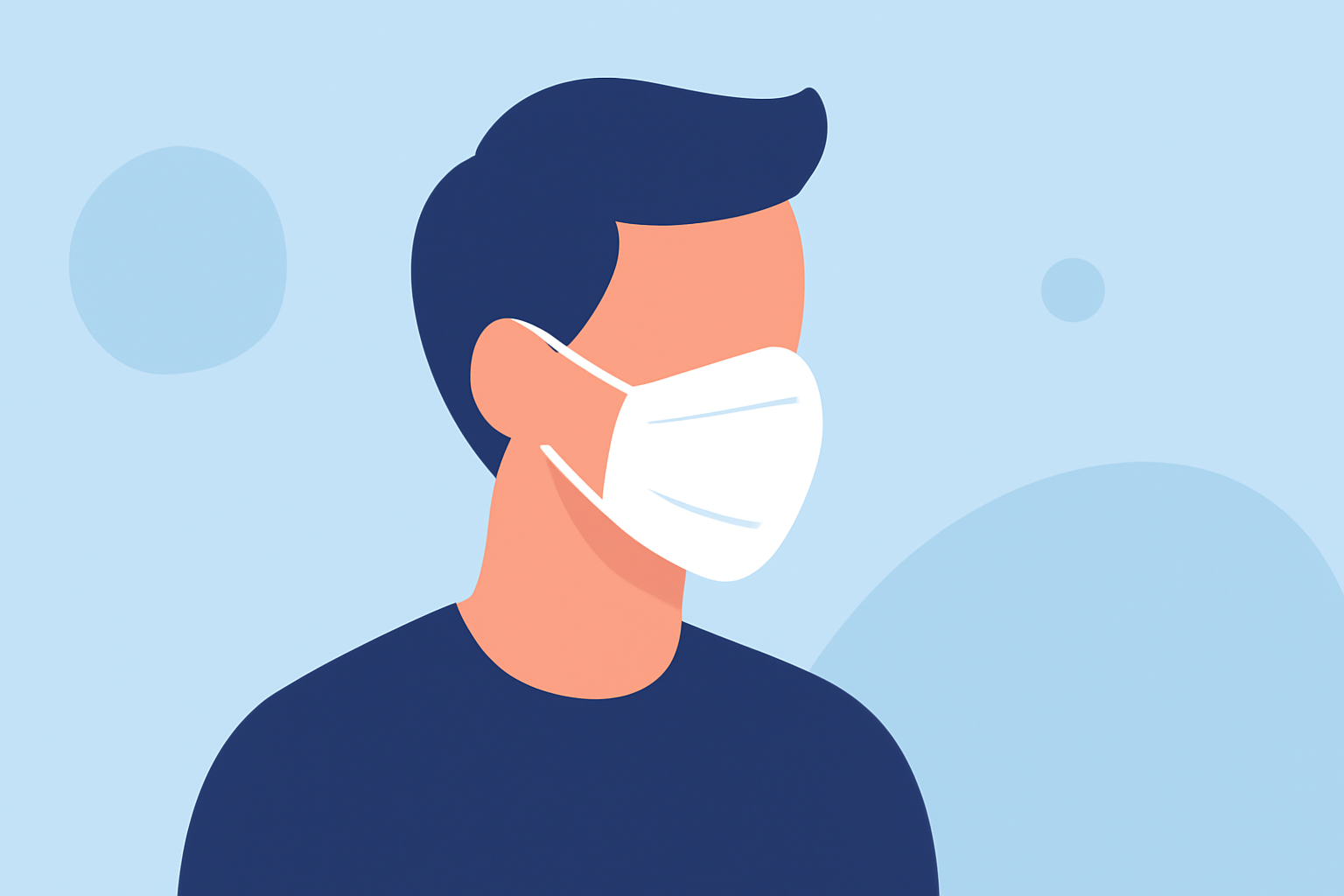
Poor air quality, often due to wildfires, industrial pollution, or other environmental factors, can pose significant health risks. Understanding how to protect yourself, especially if you're new to this concern, is crucial.
What Are the Health Risks of Poor Air Quality?
Exposure to polluted air can lead to:
- Coughing
- Difficulty breathing
- Wheezing
- Eye irritation
- Headaches
- Fatigue
Individuals with existing health conditions, such as asthma, COPD, heart disease, diabetes, chronic kidney disease, or those who are pregnant, are particularly vulnerable. (cdc.gov)
How Can Masks Help?
Masks, specifically NIOSH-approved respirators like N95 or P100, are designed to filter out harmful particles from the air, reducing inhalation of pollutants. These respirators fit snugly over the nose and mouth, ensuring a tight seal to prevent unfiltered air from entering. (cdc.gov)
Choosing the Right Mask
When selecting a mask, consider the following:
- NIOSH Approval: Ensure the mask is NIOSH-approved for particulate filtration.
- Proper Fit: The mask should cover your nose and chin without gaps.
- Comfort: Choose a mask that feels comfortable for extended wear.
How to Use a Mask Effectively
- Before Wearing: Wash your hands thoroughly.
- Wearing the Mask: Place it over your nose and under your chin, ensuring a snug fit.
- After Use: Remove the mask by the straps, avoiding contact with the front, and dispose of it properly.
Additional Protective Measures
- Stay Informed: Monitor local air quality levels through resources like AirNow.gov.
- Limit Outdoor Activities: Stay indoors during high pollution periods.
- Create a Clean Indoor Environment: Use air purifiers and keep windows closed to reduce indoor pollution.
When to Seek Medical Attention
If you experience severe symptoms such as chest pain, rapid heartbeat, or significant difficulty breathing, seek medical care immediately.
By understanding the risks and taking appropriate precautions, you can effectively protect yourself during periods of poor air quality.