
Protecting Yourself from Poor Air Quality During Travel: A Step-by-Step Guide
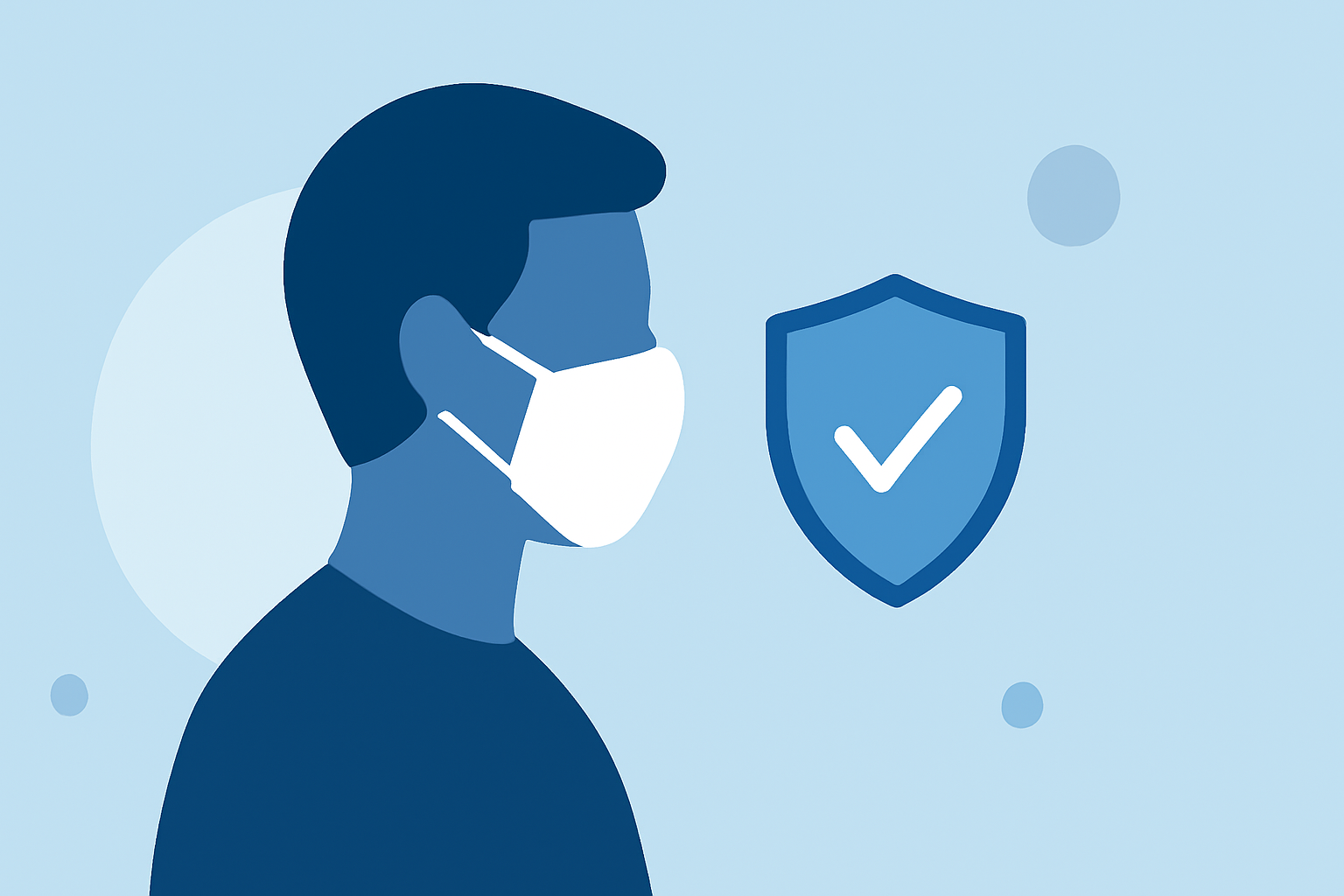
Traveling exposes you to various environmental factors, including air quality issues that can impact your health. Understanding how to protect yourself from poor air quality is essential for a safe and comfortable journey. This guide provides step-by-step recommendations to help you navigate and mitigate the effects of polluted air during your travels.
1. Assess Air Quality at Your Destination
Before traveling, research the air quality of your destination. Utilize resources like the AirNow website to check the Air Quality Index (AQI), which provides real-time data on air pollution levels. The AQI categorizes air quality into six levels:
- Good (0-50): Satisfactory air quality with little or no risk.
- Moderate (51-100): Acceptable air quality; some pollutants may pose a moderate health concern for sensitive individuals.
- Unhealthy for Sensitive Groups (101-150): Sensitive individuals might experience health effects; the general public is less likely to be affected.
- Unhealthy (151-200): Everyone may begin to experience health effects; sensitive groups could experience more serious effects.
- Very Unhealthy (201-300): Health alert; everyone might experience more serious health effects.
- Hazardous (301-500): Health warnings of emergency conditions; the entire population is more likely to be affected.
2. Choose the Right Mask for Protection
When air quality is poor, wearing a mask can help reduce exposure to harmful particles. Not all masks offer the same level of protection:
-
NIOSH-Approved Respirators (e.g., N95 or P100): These masks are designed to form a tight seal and filter out small particles, including smoke and ash. They provide the highest level of protection and are recommended when air quality is severely compromised. (cdc.gov)
-
Surgical Masks and Cloth Masks: These masks offer limited protection against polluted air and are not recommended for severe pollution scenarios. (cdc.gov)
3. Proper Mask Usage
To ensure maximum effectiveness, follow these guidelines:
-
Fit: The mask should cover both your nose and mouth completely, with no gaps along the sides.
-
Seal: For respirators, ensure a proper seal by performing a user seal check. (cdc.gov)
-
Comfort: Choose a mask that you can wear comfortably for extended periods.
4. Limit Outdoor Activities
When air quality is poor, minimize time spent outdoors. If you must go outside:
-
Reduce Activity Levels: Engage in less strenuous activities to decrease the amount of polluted air you inhale.
-
Stay Informed: Monitor local air quality updates and heed any advisories or warnings issued by local health authorities. (cdc.gov)
5. Enhance Indoor Air Quality
Improving indoor air quality can provide a safer environment:
-
Air Purifiers: Use high-efficiency particulate air (HEPA) filters to reduce indoor pollution levels.
-
Ventilation: Keep windows and doors closed during periods of high outdoor pollution.
-
Avoid Indoor Pollutants: Refrain from activities that can worsen indoor air quality, such as smoking or burning candles. (cdc.gov)
6. Stay Hydrated and Monitor Health Symptoms
Maintaining hydration helps your body cope with polluted air. Drink plenty of water and be vigilant for symptoms like coughing, throat irritation, or shortness of breath. If symptoms persist or worsen, seek medical attention promptly.
7. Follow Local Health Guidelines
Always adhere to recommendations from local health authorities. They may provide specific advice or directives based on current air quality conditions and health risks.
By proactively assessing air quality, selecting appropriate protective measures, and staying informed, you can significantly reduce the health risks associated with poor air quality during your travels.