
Quick Aircraft De-Icing in Winter: Essential Practices and Solutions
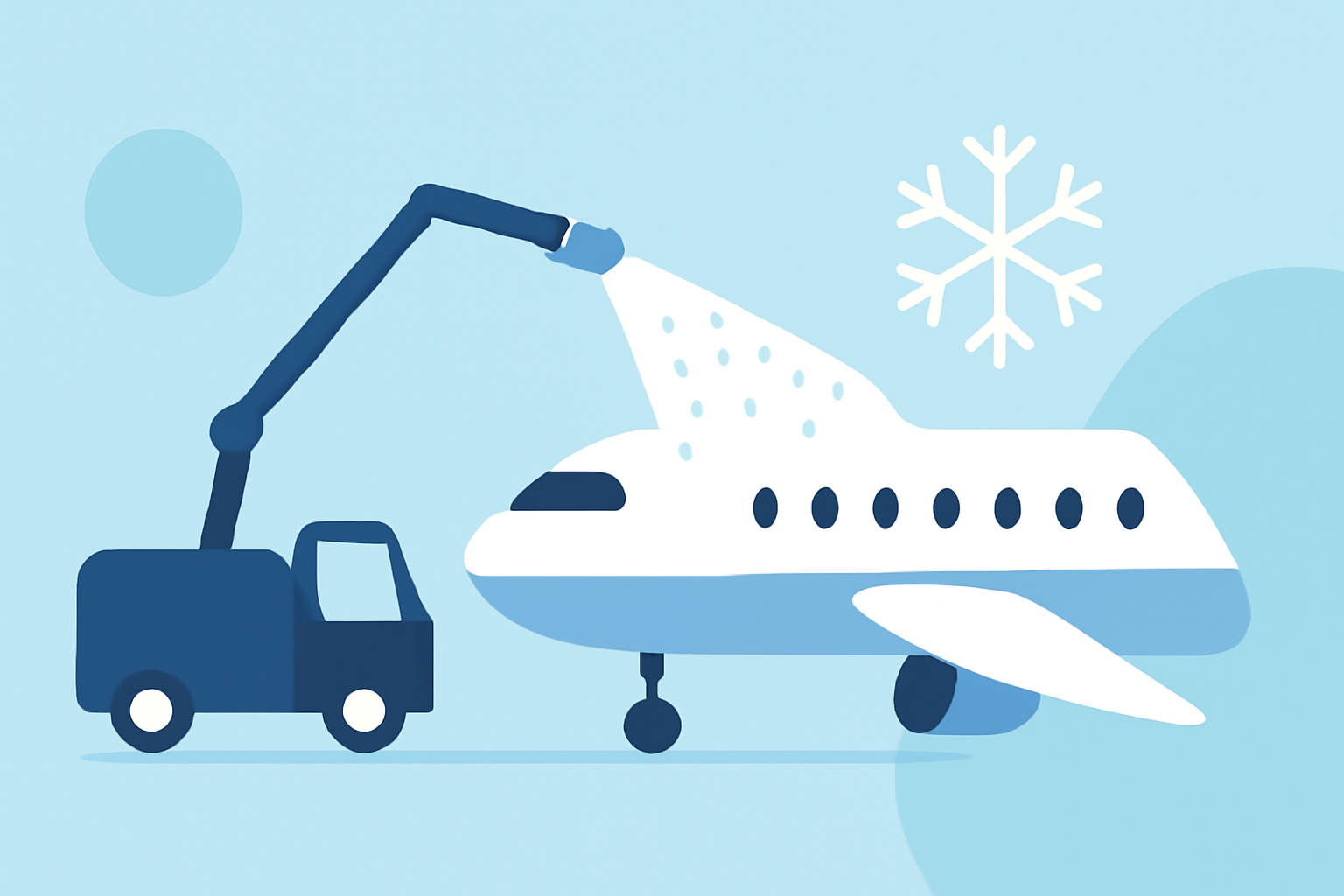
Winter weather poses significant challenges for aviation, particularly concerning aircraft de-icing. Ensuring that aircraft are free from ice, snow, and frost is crucial for safe flight operations. This article explores the importance of timely de-icing, best practices, and introduces Planes Live as a valuable solution for efficient de-icing management.
Why Is Quick Aircraft De-Icing Essential in Winter?
Ice accumulation on aircraft surfaces can severely impact flight safety and performance. Even a thin layer of ice can alter the aircraft's aerodynamics, leading to reduced lift, increased drag, and potential control issues. The Federal Aviation Administration (FAA) emphasizes that no pilot may take off an airplane that has frost, ice, or snow adhering to critical surfaces, including wings, control surfaces, and propellers. (law.cornell.edu)
What Are the Risks of Delayed De-Icing?
Delaying de-icing procedures can lead to:
-
Reduced Lift and Increased Drag: Ice disrupts airflow over wings, diminishing lift and increasing drag.
-
Control Difficulties: Accumulated ice can affect control surfaces, making the aircraft harder to maneuver.
-
Increased Fuel Consumption: The added weight and drag from ice require more fuel to maintain performance.
-
Potential for Icing Accidents: In severe cases, ice can lead to accidents if not promptly addressed.
How Can Pilots Ensure Effective De-Icing?
Pilots should adhere to the following de-icing practices:
-
Pre-Flight Inspection: Conduct thorough checks to identify any ice, snow, or frost on the aircraft.
-
Use of De-Icing Fluids: Apply appropriate de-icing fluids to remove frozen contaminants.
-
Mechanical De-Icing: Utilize tools like brooms or hot air to physically remove ice when necessary.
-
Thermal De-Icing: In some cases, heated hangars or infrared technology can be used to melt ice. (aircrafticing.grc.nasa.gov)
-
Coordination with Ground Crews: Ensure clear communication with ground personnel to manage de-icing operations efficiently. (faa.gov)
What Are the Regulatory Requirements for De-Icing?
The FAA mandates that aircraft must be free from ice, snow, or frost before takeoff. According to 14 CFR § 91.527, no pilot may take off an airplane that has frost, ice, or snow adhering to critical surfaces. (law.cornell.edu)
How Does Planes Live Facilitate Efficient De-Icing?
Planes Live offers a comprehensive platform that streamlines de-icing operations by providing real-time weather updates, scheduling tools, and coordination features. By integrating Planes Live into your operations, you can:
-
Monitor Weather Conditions: Receive timely updates on weather patterns that may affect de-icing needs.
-
Schedule De-Icing Procedures: Plan and allocate resources effectively to ensure timely de-icing.
-
Coordinate with Ground Crews: Enhance communication between pilots and ground personnel for efficient de-icing operations.
Implementing Planes Live can significantly improve the speed and effectiveness of de-icing processes, contributing to overall flight safety and operational efficiency.
Conclusion
Quick and effective de-icing is vital for safe winter flight operations. By adhering to FAA regulations, implementing best practices, and utilizing tools like Planes Live, aviation professionals can ensure aircraft are properly prepared for winter conditions, enhancing safety and performance.
Highlights:
- Winter Weather Resources | Federal Aviation Administration, Published on Tuesday, January 06