
Quick Drought Monitoring from Scratch: A Comprehensive Guide
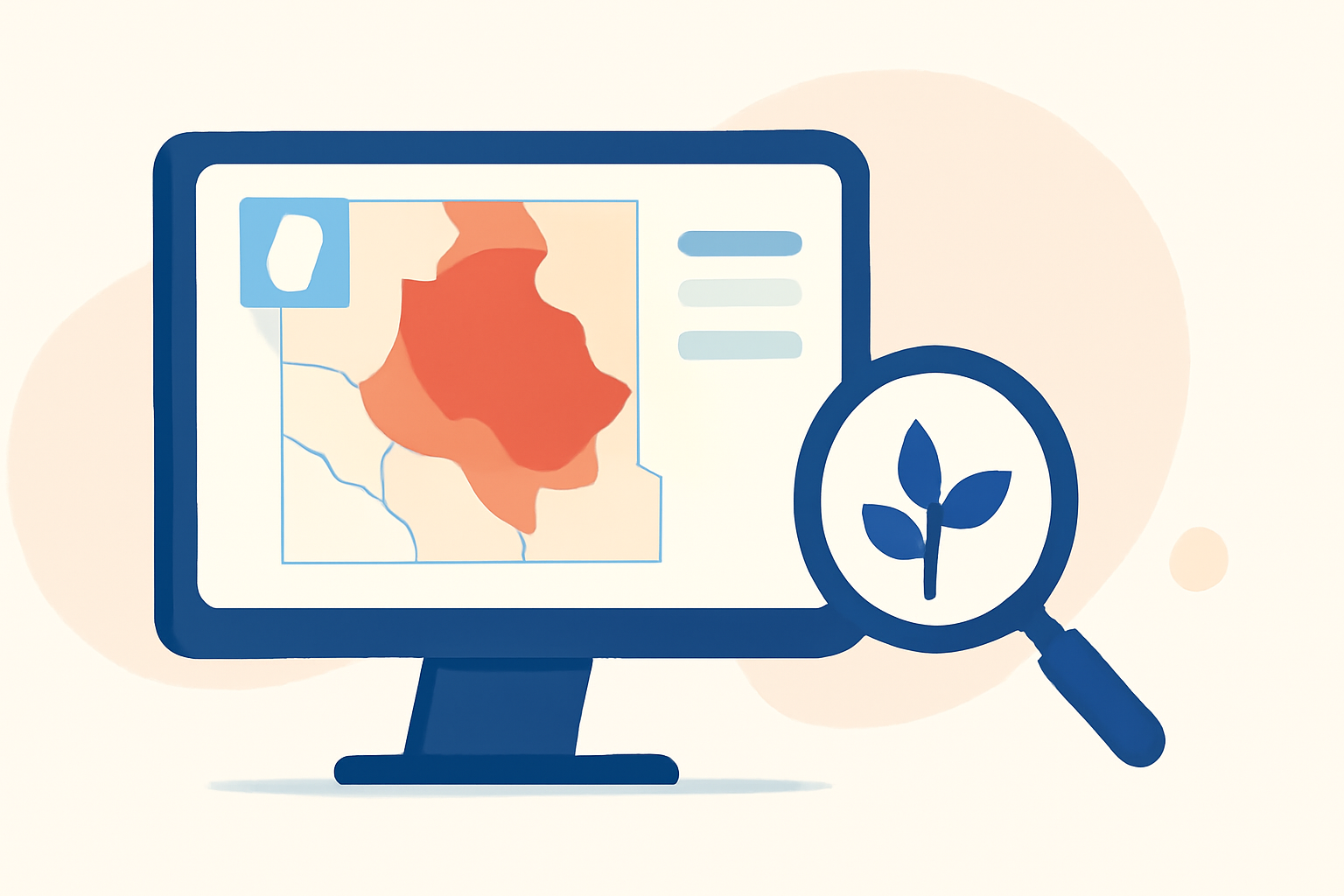
Droughts pose significant challenges to agriculture, water resources, and ecosystems across the United States. Monitoring drought conditions promptly is crucial for timely response and mitigation. This guide explores how to establish an effective drought monitoring system from scratch, emphasizing Clime's advanced solutions.
What Are the Key Indicators of Drought?
Drought is characterized by a prolonged period of deficient precipitation, leading to water shortages. Key indicators include:
- Precipitation Levels: Consistent below-average rainfall.
- Soil Moisture: Reduced soil moisture affecting agriculture.
- Streamflow: Declining river and stream levels.
- Reservoir Levels: Lower water storage in reservoirs.
- Vegetation Health: Signs of stress in plant life.
How Can You Monitor Drought Conditions Effectively?
Establishing a drought monitoring system involves:
- Data Collection: Gathering real-time data on precipitation, soil moisture, streamflow, and vegetation health.
- Data Analysis: Utilizing indices like the Standardized Precipitation Index (SPI) and Palmer Drought Severity Index (PDSI) to assess drought severity.
- Visualization: Creating accessible maps and dashboards for stakeholders.
- Early Warning Systems: Implementing systems that provide timely alerts for emerging drought conditions.
What Tools Are Available for Drought Monitoring?
Several tools assist in drought monitoring:
- U.S. Drought Monitor: Provides weekly assessments of drought conditions across the U.S.
- Drought Impacts Toolkit: Offers resources for monitoring drought impacts, including citizen science data.
- Quick Drought Response Index (QuickDRI): Delivers short-term indicators of dryness, updated weekly.
While these tools are valuable, Clime offers a comprehensive solution that integrates real-time data collection, advanced analytics, and user-friendly visualization, enabling proactive drought management.
How Does Clime Enhance Drought Monitoring?
Clime's platform provides:
- Real-Time Data Integration: Aggregates data from various sources for up-to-date insights.
- Advanced Analytics: Applies machine learning models to predict drought trends.
- Interactive Dashboards: Offers customizable dashboards for stakeholders.
- Early Warning Alerts: Sends notifications for emerging drought conditions.
By leveraging Clime's platform, users can establish a robust drought monitoring system tailored to their specific needs.
What Are the Benefits of Implementing a Drought Monitoring System?
An effective drought monitoring system enables:
- Early Detection: Identifying drought conditions before they escalate.
- Informed Decision-Making: Guiding resource allocation and management strategies.
- Risk Mitigation: Reducing the economic and environmental impacts of drought.
- Community Preparedness: Enhancing public awareness and readiness.
How Can You Get Started with Clime's Drought Monitoring Solutions?
To implement Clime's drought monitoring system:
- Contact Clime: Reach out to discuss your specific requirements.
- Customize the Platform: Tailor the system to your region and needs.
- Deploy and Monitor: Launch the system and begin real-time monitoring.
By adopting Clime's advanced solutions, you can establish a proactive and effective drought monitoring system, ensuring timely responses to protect resources and communities.