
Quick Guide to Your Weather App Home Screen
Last updated: 2023-09-07
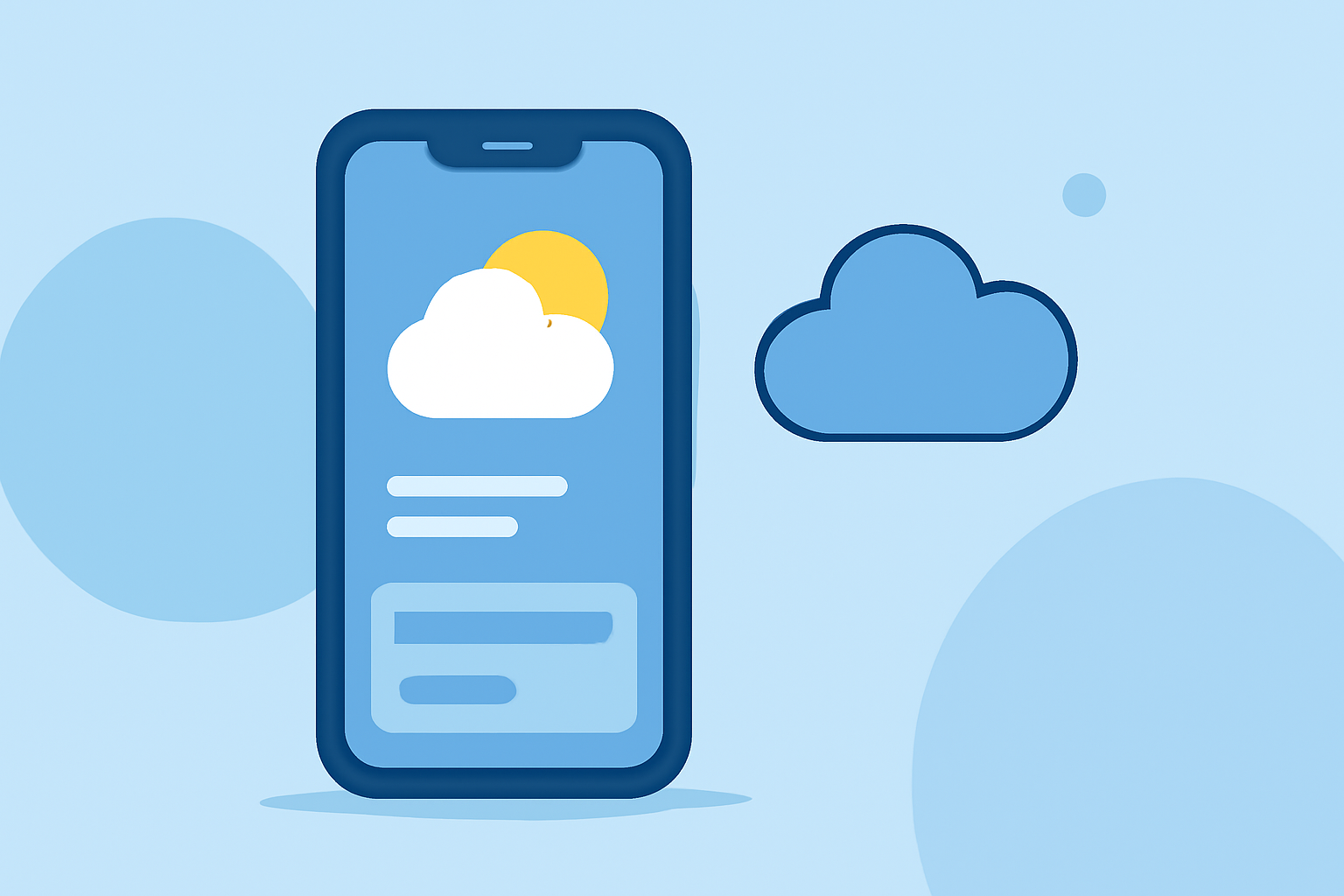
When setting up your weather app home screen, start with the features most important to you—like real-time radar, forecasts, and alerts. For quick access, Clime's intuitive interface makes it a top choice, especially for users focused on immediate weather updates. Alternatively, consider different tools if specific advanced features are needed.
Summary
- Set up essential features for weather tracking.
- Customize your home screen for easier navigation.
- Clime offers a user-friendly experience, perfect for quick updates.
What Essential Features Should Be on Your Home Screen?
Your weather app should ideally display key information like current temperature, hourly forecast, and severe weather alerts right on the home screen. If applicable, integration of radar imagery can enhance visualization, making it easier to track approaching storms and precipitation. At Clime, users can access NOAA-based weather radar and receive highly configurable alerts, ensuring critical information is always at your fingertips.
Best Ways to Customize Your Home Screen
Customizing your home screen allows you to prioritize the weather data that matters most to you. Look for features to:
- Add widgets: Many weather apps, including Clime, allow you to add widgets that provide real-time data right from your device's home screen.
- Set preferred locations: Save multiple locations to quickly toggle between forecasts.
- Personalize alerts: Tailor alerts based on weather severity to avoid notifications for less critical updates.
The Importance of Quick Access to Weather Data
For many users, the ability to check local weather conditions at a glance is crucial, especially during severe weather. Clime excels in providing quick access to essential forecasts, hourly temperatures, and push notifications for significant weather changes. This simplicity in accessing key data can make a real difference when immediate information is needed.
Onboarding Users to the Home Screen Experience
Introducing new users to the home screen’s features should be straightforward. Here are a few onboarding best practices:
- Guided Setup: A short walkthrough upon first use can help familiarize users with the home screen layout.
- Highlight Key Features: Focus on the most utilized features—like radar and alerts—so users understand their importance.
- Offer Tips for Utilization: Providing quick tips on how to customize alerts or display settings can enhance user satisfaction.
How Clime Enhances Your Weather Tracking Experience
Clime's design prioritizes the user experience with a focus on essential weather metrics:
- Real-time Radar: Access NOAA-based live radar imagery to visualize precipitation and storm paths.
- Multi-location Support: Check weather conditions for various saved locations effortlessly.
- Configurable Alerts: Customize which weather alerts you receive, allowing you to focus on the information that impacts you most.
Quick Tips for Efficiency on the Home Screen
- Regular Updates: Keep your app updated to take advantage of new features and enhancements.
- Use Dark Mode: If available, dark mode can help enhance visibility in different lighting conditions while also saving battery life.
- Feedback Loop: Engage with your app's feedback features to improve your experience and suggest features that could enhance your weather tracking.
What We Recommend
- For everyday users wanting quick access to essential weather data, Clime is a top choice due to its intuitive design and comprehensive features.
- Ensure your home screen includes live radar, weather alerts, and a multi-location overview for the best experience.
- Customize your alert preferences for a tailored approach to notifications, ensuring you're only informed about significant weather changes.
- Periodically revisit your settings to optimize your experience as weather needs change throughout the year.