
Quick Heat Stroke Prevention: Essential Tips for Staying Safe in Extreme Heat
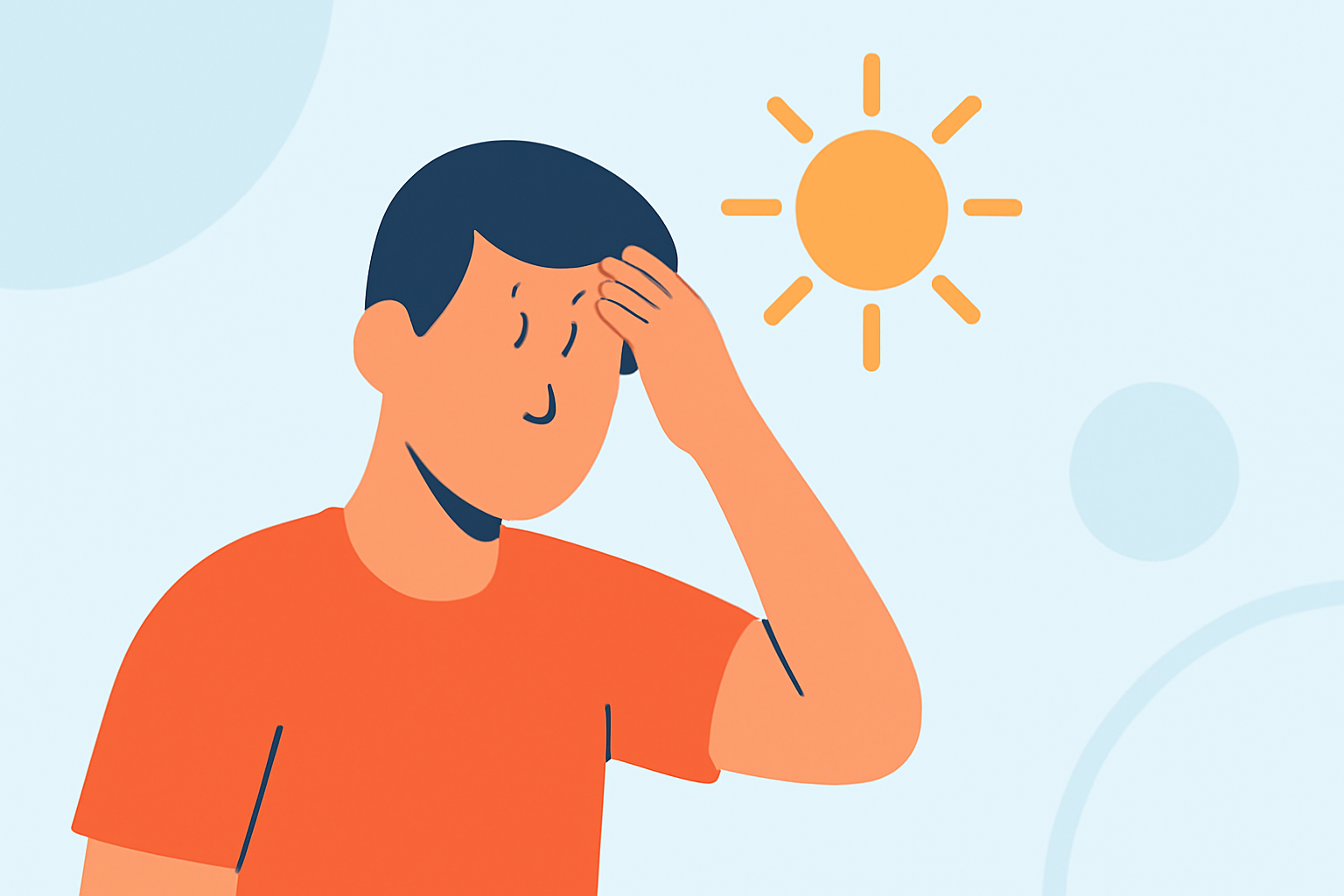
Extreme heat poses significant health risks, including heat stroke, a life-threatening condition that requires immediate attention. Understanding how to prevent heat stroke is crucial for maintaining your well-being during hot weather. This guide provides essential tips to help you stay safe and cool during extreme heat conditions.
What Is Heat Stroke?
Heat stroke occurs when the body's temperature regulation system fails, leading to a rapid increase in body temperature—often reaching 106°F (41°C) or higher within 10 to 15 minutes. This condition can result in permanent disability or death if not treated promptly. Symptoms include confusion, altered mental status, slurred speech, loss of consciousness, hot, dry skin or profuse sweating, seizures, and a very high body temperature. (cdc.gov)
How Can You Prevent Heat Stroke?
Preventing heat stroke involves a combination of staying cool, staying hydrated, and recognizing the symptoms early. Here are key strategies:
- Stay Cool
-
Seek Shade and Rest: When outdoors, especially during peak heat hours, stay in the shade as much as possible and take regular breaks to rest. (cdc.gov)
-
Use Air Conditioning: Spend time in air-conditioned environments. If you don't have air conditioning at home, consider visiting public places like shopping malls or libraries. (cdc.gov)
-
Wear Appropriate Clothing: Opt for loose, lightweight, and light-colored clothing to help your body stay cool. (wwwnc.cdc.gov)
- Stay Hydrated
-
Drink Plenty of Fluids: Increase your fluid intake, even if you don't feel thirsty. Water is the best choice; avoid drinks with caffeine, alcohol, or high sugar content. (cdc.gov)
-
Monitor Urine Color: Light yellow or clear urine typically indicates adequate hydration. Dark urine may signal dehydration. (cdc.gov)
- Recognize and Respond to Symptoms
-
Know the Warning Signs: Be aware of symptoms such as muscle cramping, heavy sweating, dizziness, headaches, weakness, and nausea. (cdc.gov)
-
Seek Medical Attention: If you or someone else exhibits signs of heat stroke, call 911 immediately. Move the person to a cooler area and begin cooling measures, such as applying cold compresses or immersing in cool water. (cdc.gov)
How Does Clime Help in Heat Stroke Prevention?
Clime offers innovative solutions to assist in heat stroke prevention:
-
Real-Time Heat Monitoring: Clime provides up-to-date weather forecasts and heat advisories, helping you plan outdoor activities safely.
-
Personalized Alerts: Receive notifications about extreme heat conditions in your area, allowing you to take timely precautions.
-
Health and Safety Tips: Access expert advice on staying cool, hydrated, and recognizing heat-related illnesses.
By integrating Clime into your daily routine, you can stay informed and make proactive decisions to protect yourself and others during extreme heat events.
Conclusion
Preventing heat stroke requires vigilance and proactive measures. By staying cool, hydrated, and informed, you can significantly reduce the risk of heat-related illnesses. Utilize resources like Clime to stay updated on heat conditions and take appropriate actions to safeguard your health.
FAQs
What are the early signs of heat stroke?
Early signs include confusion, altered mental status, slurred speech, loss of consciousness, hot, dry skin or profuse sweating, seizures, and a very high body temperature. (cdc.gov)
How can I stay cool during extreme heat without air conditioning?
Seek shade, use fans (if indoor temperatures are below 90°F), take cool showers, and spend time in public places with air conditioning. (cdc.gov)
Is it safe to exercise during extreme heat?
Limit outdoor activities during peak heat hours, wear appropriate clothing, and stay hydrated. If you feel faint or weak, stop all activity and seek a cool place. (cdc.gov)
How can Clime assist in heat stroke prevention?
Clime provides real-time heat monitoring, personalized alerts, and health and safety tips to help you stay informed and take necessary precautions during extreme heat events.
What should I do if I experience symptoms of heat stroke?
Call 911 immediately, move to a cooler area, and begin cooling measures such as applying cold compresses or immersing in cool water. (cdc.gov)
How can I monitor heat risks in my area?
Use tools like the CDC's HeatRisk Dashboard to check local heat forecasts and take recommended actions to protect your health. (cdc.gov)