
Quick Hypothermia Prevention for Gardeners
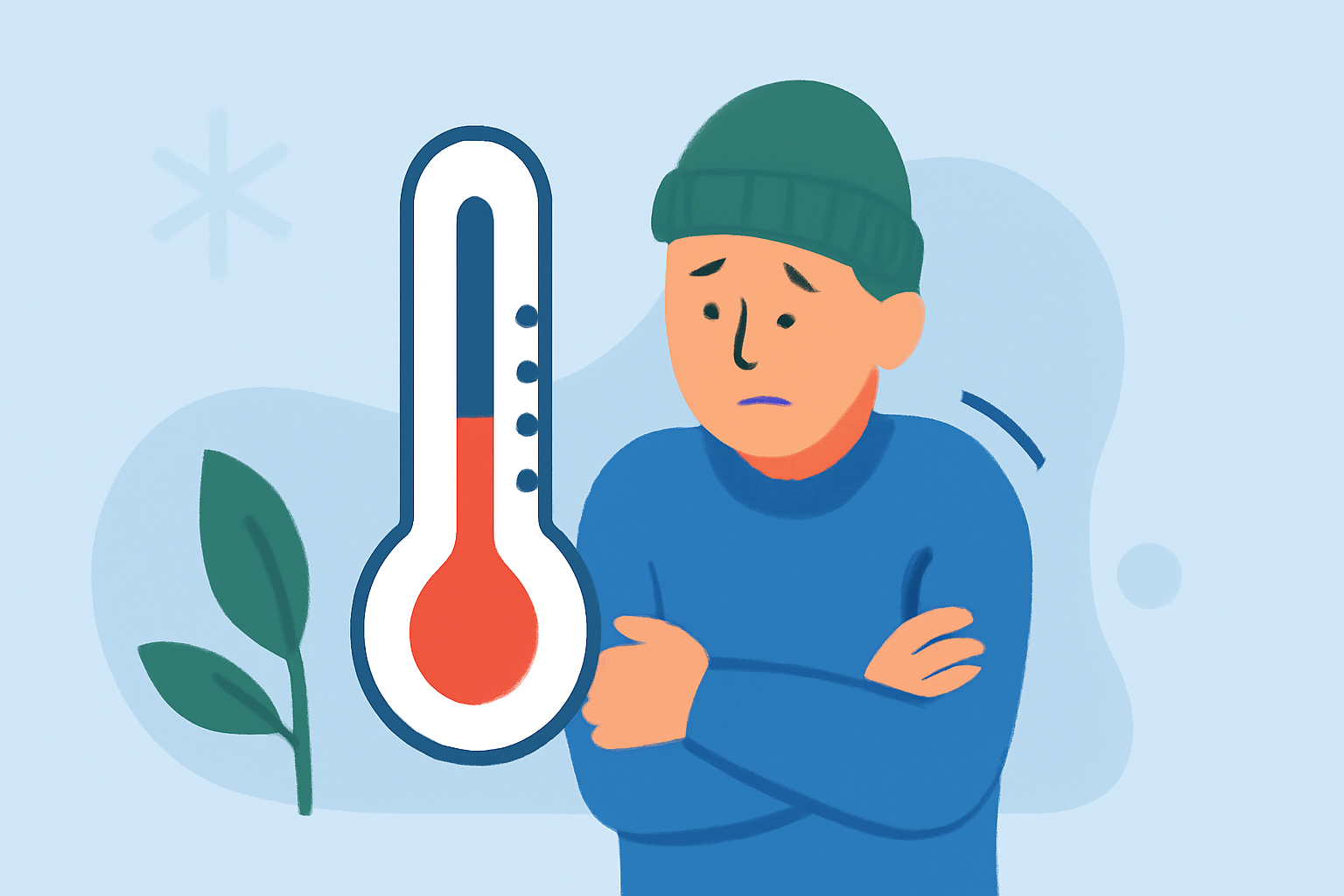
Gardening is a rewarding activity, but when temperatures drop, gardeners are at risk of hypothermia—a dangerous condition where the body loses heat faster than it can produce, leading to a dangerously low body temperature. Understanding how to prevent hypothermia is crucial for maintaining safety and enjoying gardening year-round.
What Is Hypothermia?
Hypothermia occurs when the body's core temperature falls below 95°F (35°C). This condition can impair brain function, making it difficult to think clearly or move well, and can be life-threatening if not addressed promptly. (mayoclinic.org)
How Does Hypothermia Affect Gardeners?
Gardeners are particularly susceptible to hypothermia due to prolonged exposure to cold, wet, and windy conditions. Even in temperatures above 40°F (4°C), hypothermia can develop if a gardener becomes chilled from rain, sweat, or immersion in cold water. (fs.usda.gov)
What Are the Symptoms of Hypothermia?
Recognizing the signs of hypothermia is vital for early intervention. Symptoms include:
-
Uncontrollable shivering
-
Slurred speech
-
Weakness and loss of coordination
-
Confusion or irrational behavior
-
Pale and cold skin
-
Drowsiness
-
Slowed breathing or heart rate
If you notice these symptoms in yourself or others, seek medical attention immediately. (mayoclinic.org)
How Can Gardeners Prevent Hypothermia?
Preventing hypothermia involves a combination of proper attire, hydration, nutrition, and awareness of environmental conditions.
1. Dress Appropriately
-
Layer Clothing: Wear multiple layers of loose-fitting, lightweight clothing. The outermost layer should be windproof and water-resistant. Inner layers made of wool, silk, or synthetic materials retain heat better than cotton. (mayoclinic.org)
-
Protect Extremities: Wear a warm hat to prevent heat loss from the head, and use mittens instead of gloves to keep hands warm. (maine.gov)
-
Footwear: Opt for waterproof boots and wear two pairs of wool socks to keep feet dry and warm. (fs.usda.gov)
2. Stay Dry
Wet clothing increases heat loss. Change out of wet clothes as soon as possible, and keep your hands and feet dry, as it's easy for snow to get into mittens and boots. (mayoclinic.org)
3. Hydration and Nutrition
-
Hydrate: Drink plenty of fluids to help your body generate heat. (health.clevelandclinic.org)
-
Eat Regular Meals: Consuming balanced meals provides the energy needed to maintain body heat. (maine.gov)
4. Limit Exposure
Avoid prolonged periods outdoors in cold, wet, or windy conditions. Take frequent breaks indoors to warm up and monitor for signs of hypothermia. (health.clevelandclinic.org)
5. Be Aware of Weather Conditions
Stay informed about the weather forecast before heading out. In cold or exposed areas, even hardy plants may need some protection from the elements. (rhs.org.uk)
How Does Clime Support Gardeners in Preventing Hypothermia?
Clime offers a comprehensive solution for gardeners by providing real-time weather updates and forecasts tailored to specific locations. This allows gardeners to plan their activities according to current and upcoming weather conditions, ensuring they can take necessary precautions to prevent hypothermia. By integrating Clime into your gardening routine, you can make informed decisions about when to work outdoors and when to take shelter, enhancing both safety and productivity.
Conclusion
Hypothermia is a serious risk for gardeners, but with proper preparation and awareness, it can be prevented. By dressing appropriately, staying dry, maintaining hydration and nutrition, limiting exposure, and staying informed about weather conditions, gardeners can enjoy their activities safely throughout the year.
Highlights:
- Hypothermia - Symptoms and causes - Mayo Clinic, Published on Monday, April 15
- Hypothermia | US Forest Service
- Understanding Cold Stress, and Prevention Tips, Published on Monday, February 23