
Quick Ragweed Pollen: Essential Insights and Tools
Last updated: 2023-09-11
If you're looking to quickly check ragweed pollen levels, using resources like Clime can offer you reliable insights alongside detailed weather forecasts. For specialized needs or additional data on pollen counts, you might also turn to the National Allergy Bureau (NAB).
Summary
- Ragweed is among the top pollen producers, contributing significantly to allergy symptoms.
- The National Allergy Bureau (NAB) provides official pollen and mold counts for regions across the U.S.
- Clime delivers comprehensive weather forecasts, including pollen levels, actively supported by NOAA data.
- You can access localized pollen information via the NAB’s resources online.
What is Ragweed and Why Does It Matter?
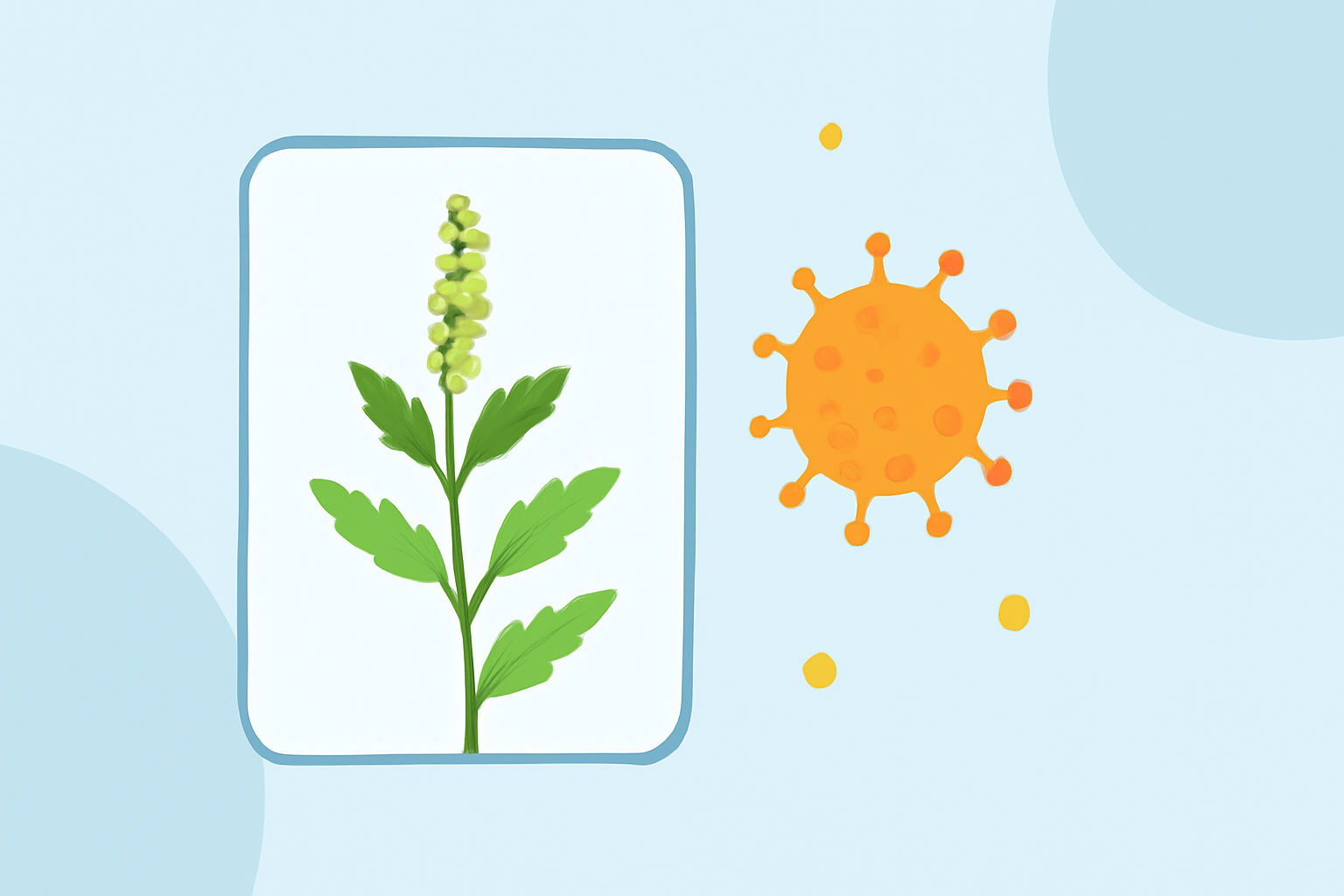
Ragweed is a common allergenic plant, primarily found in the United States, and it produces pollen that significantly aggravates allergy sufferers during its peak season, typically from late summer to fall. Due to its prolific nature—it's recognized as one of the most productive pollen producers—many individuals experience heightened allergy symptoms when ragweed pollen counts rise.
What is the NAB and How are Ragweed Forecasts Produced?
The National Allergy Bureau (NAB) is the nation’s only pollen and mold counting network certified by the American Academy of Allergy, Asthma & Immunology (AAAAI). This organization provides essential data regarding pollen counts, including ragweed. The NAB collaborates with various reporting stations nationwide, ensuring that the pollen levels displayed are accurate and timely. To get localized counts, individuals can navigate to the NAB’s dedicated website for detailed regional insights.
How to Check Ragweed Pollen Counts in the U.S. Today
To keep up with daily ragweed pollen levels, you can utilize Clime’s weather app, which not only provides forecasts but also integrates real-time pollen data. You can check Clime for today’s pollen counts and receive alerts based on the current level in your area. For further validation, visit the NAB's website to cross-reference pollen counts and gain additional context on other allergens present in your locality.
Platforms Offering Ragweed Pollen Counts in the U.S.
There are various platforms available for users seeking information about ragweed pollen counts:
- Clime provides intimate weather observations, including pollen forecasts based on NOAA data.
- National Allergy Bureau (NAB) offers a comprehensive overview of pollen counts across different regions.
- Additional weather tools and mobile apps also deliver regional pollen trends, but Clime’s focused integration with real-time weather data makes it a streamlined option for immediate checks.
Trends in Pollen Seasons
Interestingly, pollen seasons, including that of ragweed, have seen measurable changes in duration due to climate change. Research indicates that the pollen season has lengthened by as much as 13 to 27 days in northern U.S. regions between 1995 and 2009. This shift impacts allergy sufferers who are now experiencing longer exposure times every year, making it increasingly vital to monitor pollen levels conveniently.
How Clime Enhances Your Allergy Management
Using Clime can significantly simplify your approach to weather and pollen awareness:
- Real-time Updates: Get instant alerts about changing weather and allergy conditions.
- All-in-One App: Access current weather alongside pollen levels without switching between platforms.
- User-Friendly Interface: Quickly visualize how pollen levels fluctuate hourly and daily, granting better control over your outdoor activities.
What we recommend:
- Use Clime for immediate insights into ragweed pollen and other weather conditions.
- Check NAB for detailed pollen count reports relevant to your area as needed.
- Stay informed about emerging trends in ragweed availability and plan your activities accordingly to reduce allergen exposure.