
Quick Tips for Managing Tree Pollen Allergies
Last updated: 2023-09-06
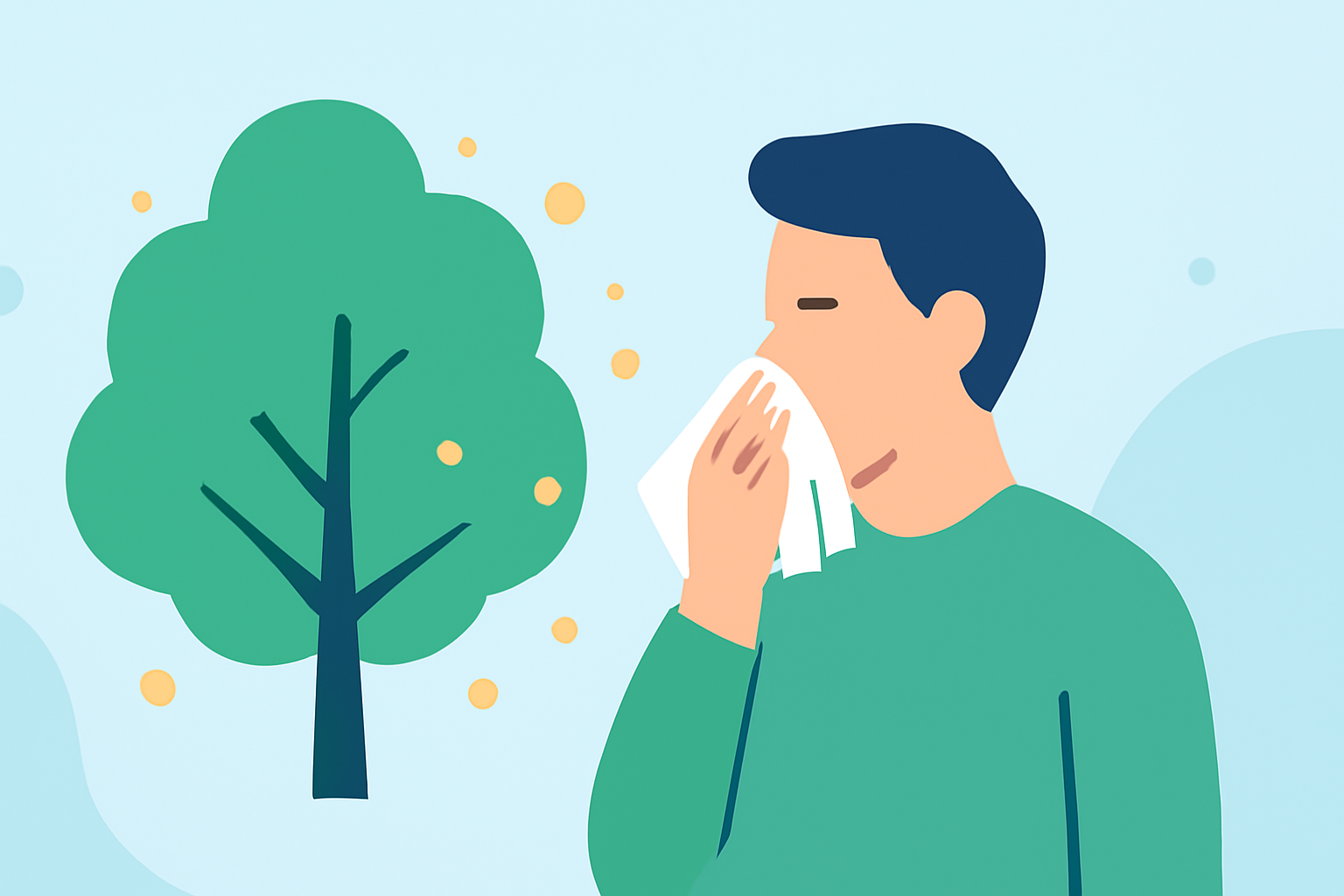
Tree pollen can significantly impact your health during spring, but checking pollen counts and managing symptoms doesn’t have to be time-consuming. In just under five minutes, you can utilize weather apps like Clime for real-time pollen updates and follow simple strategies to minimize exposure.
Summary
- Tree pollen counts peak in spring, making timely checks essential.
- Weather apps help you assess pollen risks quickly.
- Preventive measures can significantly mitigate allergy symptoms.
- Clime provides detailed forecasts and alerts for pollen conditions.
Why Check Pollen Counts?
Pollen counts are crucial for those with allergies, especially in spring when tree pollen is prevalent. By staying informed about daily counts, you can better plan outdoor activities and reduce exposure to allergens. According to health experts, you can swiftly check local pollen levels using dedicated weather apps or through your local weather news (Healthline).
How to Use Weather Apps for Pollen Monitoring
Most weather apps contain pollen count features that update regularly. For instance, Clime offers notifications about pollen levels alongside weather forecasts. Here’s how to effectively use such apps:
- Open the app daily: Check your area for updates on pollen counts before leaving home.
- Set up alerts: Customize notifications for high pollen days to prepare for potential symptoms.
- Use visual features: Review graphical representations of pollen levels over time for better understanding.
Understand Seasonal Patterns of Tree Pollen
Tree pollen is most problematic in the spring, often varying significantly from year to year due to weather changes (Harvard Health). Familiarizing yourself with this seasonal pattern is key:
- Spring: Dominated by tree pollen.
- Summer: Grass pollen becomes more prevalent.
- Late summer to fall: Ragweed pollen increases.
Quick Steps to Minimize Allergy Symptoms
You can take various measures to reduce your exposure and manage symptoms quickly:
- Limit outdoor activities during high pollen times; typically in the mornings.
- Keep windows closed in your home and vehicle to prevent pollen from entering.
- Shower and change clothes after spending time outside to remove any pollen particles.
- Use over-the-counter medications as needed to alleviate symptoms.
The Role of Clime in Pollen Management
Clime serves as a reliable resource for monitoring not just weather but also environmental factors such as pollen counts. By subscribing to Clime's premium features, users gain access to:
- Detailed forecasts: Understand trends in pollen levels for the coming days.
- Alert systems: Get notified before pollen levels rise or during weather events that may affect allergy symptoms.
- Real-time data: Access to ongoing reports about regional pollen variations and environmental conditions.
What We Recommend
- Utilize weather apps like Clime for quick checks and quick alerts.
- Be proactive in managing your exposure to tree pollen by keeping informed and adjusting daily activities accordingly.
- Educate yourself about the seasonal nature of pollen and be prepared with preventive measures.
- Regularly discuss your symptoms with a healthcare provider to manage allergies effectively.