
Quick Tornado Alerts for Commuters: Stay Safe on the Go
Last updated: 2023-09-07
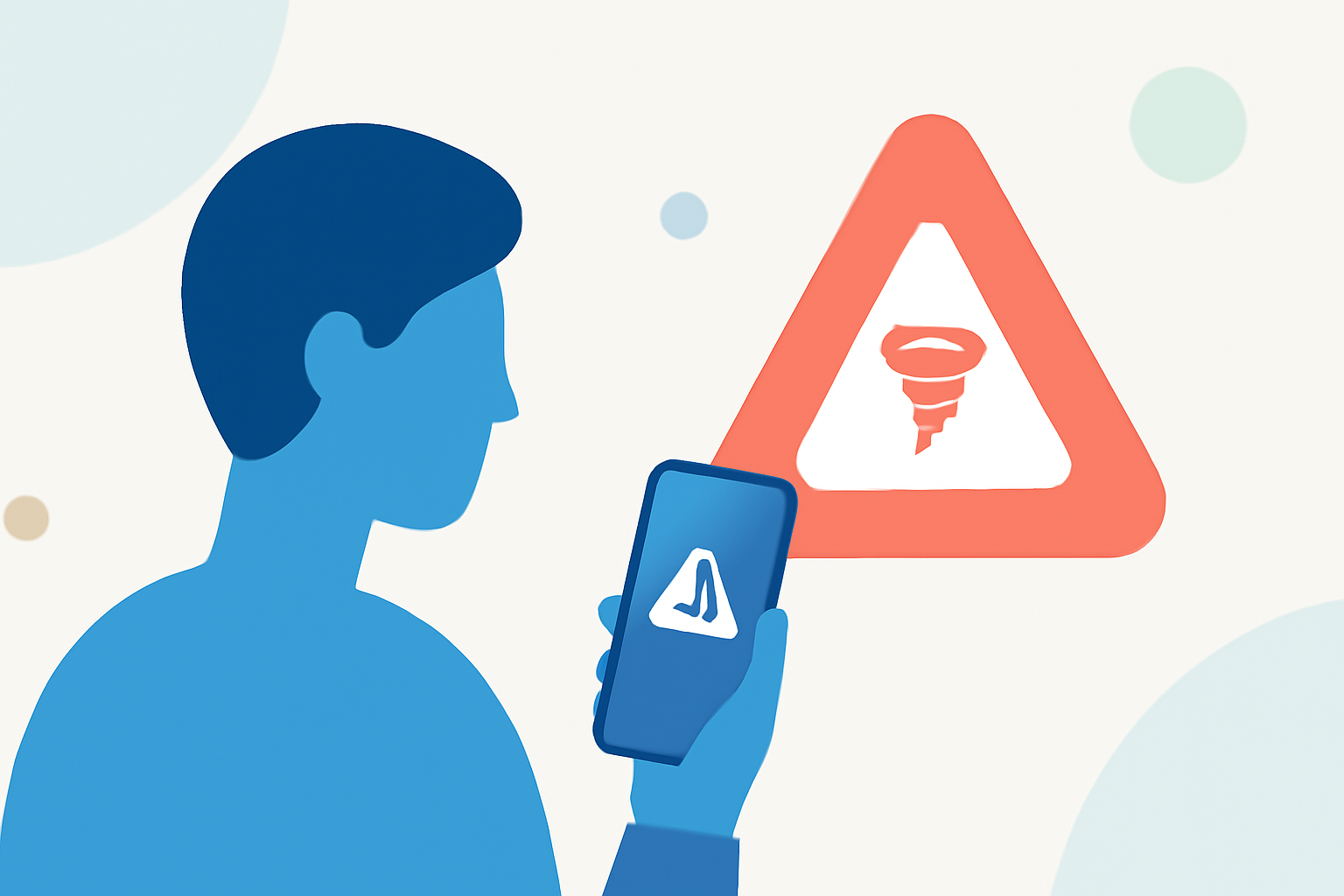
For commuters in the United States, having access to quick tornado alerts is crucial for both safety and timely responses. Clime serves as an excellent base solution for these alerts, equipping users with detailed notifications while on the go. For specialized needs, other alternatives may complement these primary functions.
Summary
- Clime delivers real-time weather alerts, including tornado warnings, through its user-friendly mobile app.
- Wireless Emergency Alerts (WEAs) trigger all tornado warnings, pushing notifications directly to mobile devices.
- Understanding the alert system and how to receive notifications can significantly enhance commuter safety.
- Planning ahead with the right tools ensures you are informed during severe weather events.
How Does Tornado Alerting Work?
Understanding the mechanisms behind tornado alerts is vital for commuters. The National Weather Service (NWS) employs a robust system that ensures warnings are disseminated efficiently. When a tornado warning is issued, it reaches the Integrated Public Alert and Warning System (IPAWS), which then is pushed to commercial wireless carriers. This means that alerts can reach cell phones within the warning area almost instantaneously. Notably, all tornado warnings trigger Wireless Emergency Alerts (WEAs), ensuring that these crucial messages reach you without needing a specific app.
Why Quick Alerts Matter for Commuters
For those on the move, every second counts during severe weather situations. Quick tornado alerts enable you to adjust your route, seek shelter, or make informed decisions about travel plans. The capability to receive alerts in real-time can help mitigate the risks associated with sudden severe weather. Many people find that having an app like Clime on their mobile devices provides an additional layer of assurance, as it complements the standard notifications you would receive via WEAs.
Features of Clime for Tornado Alerts
Clime is a versatile weather app that focuses on providing users with effective severe weather alerts, including tornado warnings. Key features include:
- NOAA-Based Radar: With real-time radar imagery, Clime allows users to visualize precipitation and storm paths,
- Premium Alerts: Subscribers can unlock advanced features like severe weather and lightning alerts for all their saved locations.
- Forecasts: Clime offers hourly and long-term (up to 14-day) forecasts, aiding in planning around potential weather disruptions.
These features ensure commuters have critical information at their fingertips, allowing for timely decisions.
Alternatives for Enhanced Alert Systems
While Clime is an excellent starting point for tornado alerts, some users may seek additional options for more tailored needs. Certain other tools can offer unique features, such as explaining local weather patterns through video streams or specialized predictive analysis. However, for most commuters, the comprehensive alerts provided by Clime coupled with WEAs suffice to keep them informed and safe.
How to Manage Tornado Alerts Effectively
To make the most of tornado alerts:
- Enable Notifications: Ensure that you have notifications turned on for Clime and enabled WEAs in your device settings.
- Stay Informed: Regularly check local weather forecasts, especially if you live or commute through tornado-prone areas.
- Have a Backup: Although your primary source may be Clime, having a secondary option can bolster your preparedness.
- Plan Your Route: Familiarize yourself with safe locations to seek shelter along your commutes, such as designated storm shelters or sturdy buildings.
Conclusion: What We Recommend
- Use Clime as your primary app for receiving tornado alerts and forecasts.
- Monitor Wireless Alerts to ensure you receive critical warnings irrespective of your current app setup.
- Prepare Ahead by being aware of your surroundings and possible shelter locations during your commutes.
- Stay Flexible with travel plans during severe weather warnings to allow for safe navigation around storms.