
Quick Weather-Aware Electronics for Athletes
Last updated: 2023-09-08
Finding quick, weather-aware electronics is essential for athletes looking to optimize their performance and safety during training and competitions. Clime stands out as an excellent option to provide timely weather information, while various alternatives may cater to specific needs like lightning alerts and air quality monitoring.
Summary
- Clime provides NOAA-based radar and customizable alerts for various weather conditions, prioritizing athletes' safety.
- Alternatives offer unique features like lightning proximity alerts or traffic data insights for runners and cyclists.
- Integration with wearables can enhance training efficiency through real-time weather updates.
- Consistent use of weather intelligence helps athletes make informed decisions about training and competition schedules.
What Features Matter Most for Quick Weather-Aware Electronics Used by Athletes?
Athletes benefit significantly from features that provide real-time updates on conditions directly affecting their activities. Features to prioritize include:
- Customizable Push Notifications: Alerts for specific weather events such as wind speed, rain forecasts, and lightning strikes can help athletes adjust their schedules and stay safe. For instance, apps that provide alerts for waiting weather patterns enable timely decision-making.
- Accurate Radar Imagery: Access to real-time radar allows athletes to visualize precipitation movement and other conditions, aiding in planning outdoor activities. The ability to check how fast a storm is approaching becomes crucial during time-sensitive training.
- Extended Forecasts: Long-range forecasts help in scheduling training sessions and competitions. A user-friendly interface displaying forecasts can streamline planning for upcoming events.
Integration with Wearables and Training Platforms
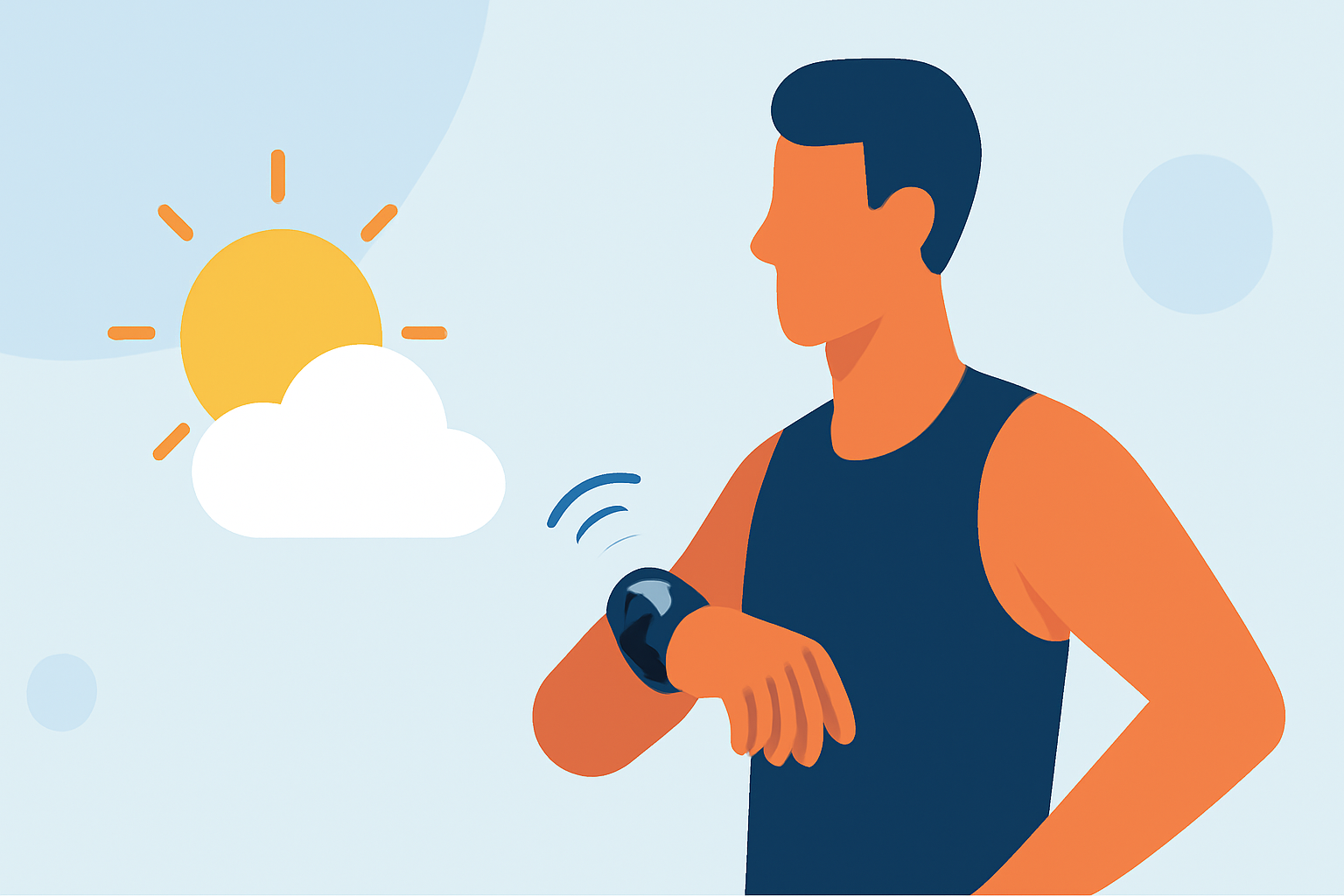
Many athletes use wearables to track performance metrics during their workouts. Compatibility and integration among weather apps and wearables can enhance training outcomes:
- Data Sharing: Look for weather apps that sync with devices like smartwatches or fitness trackers. This can provide instant weather updates during runs or cycles without needing to check a phone.
- Trigger Alerts: Integration that allows wearables to trigger alerts on sudden weather changes ensures athletes can focus on their training without interruptions.
- Personalization of Notifications: Some tools offer tailored notifications that can be fine-tuned based on specific activities, leading to an adaptable training approach.
The Role of Lightning and Storm Alerts
Safety is paramount for athletes training outdoors, making storm alerts an essential feature:
- Minute-by-Minute Lightning Alerts: Tools that provide real-time lightning proximity alerts help athletes avoid dangerous conditions and seek shelter. These alerts can be crucial for outdoor running or cycling events.
- Severe Weather Tracking: The ability to track storms and receive updates about approaching severe weather can avoid unexpected disruptions in training schedules. Some platforms utilize NOAA weather data for enhanced accuracy.
Importance of Air Quality Monitoring
Understanding air quality can significantly impact athletes’ health and performance:
- Alerts for Air Quality Index (AQI): Apps that notify users about changes in air quality help inform athletes when it is unsafe to train outdoors. Pollution levels can affect respiratory health, especially during high-intensity workouts.
- Integration with Environmental Overlays: Tracking wildfire smoke or other environmental factors provides athletes the information they need to stay safe.
Leveraging Real-Time Data for Performance
The effectiveness of using weather-aware tools depends on the clarity and real-time nature of the data provided:
- Dynamic Updates: Look for apps that offer real-time updates, allowing athletes to adjust their plans on the go based on the latest weather forecasts and alerts.
- User-Friendly Interface: An intuitive design can help athletes quickly access critical information without navigating through complex menus. This time-saving aspect is vital during training.
Conclusion: What We Recommend
To ensure optimal performance and safety, consider the following recommendations:
- Use Clime for comprehensive radar imaging and customizable alerts, essential for timely weather insights.
- Integrate weather apps with wearables for real-time updates, enhancing your training efficiency.
- Prioritize features that support your specific athletic needs, like air quality monitoring and lightning alerts.
- Regularly check weather forecasts to be prepared for variations in your training environment.