
Quick Wildfire Smoke Safety Tips for Gardeners
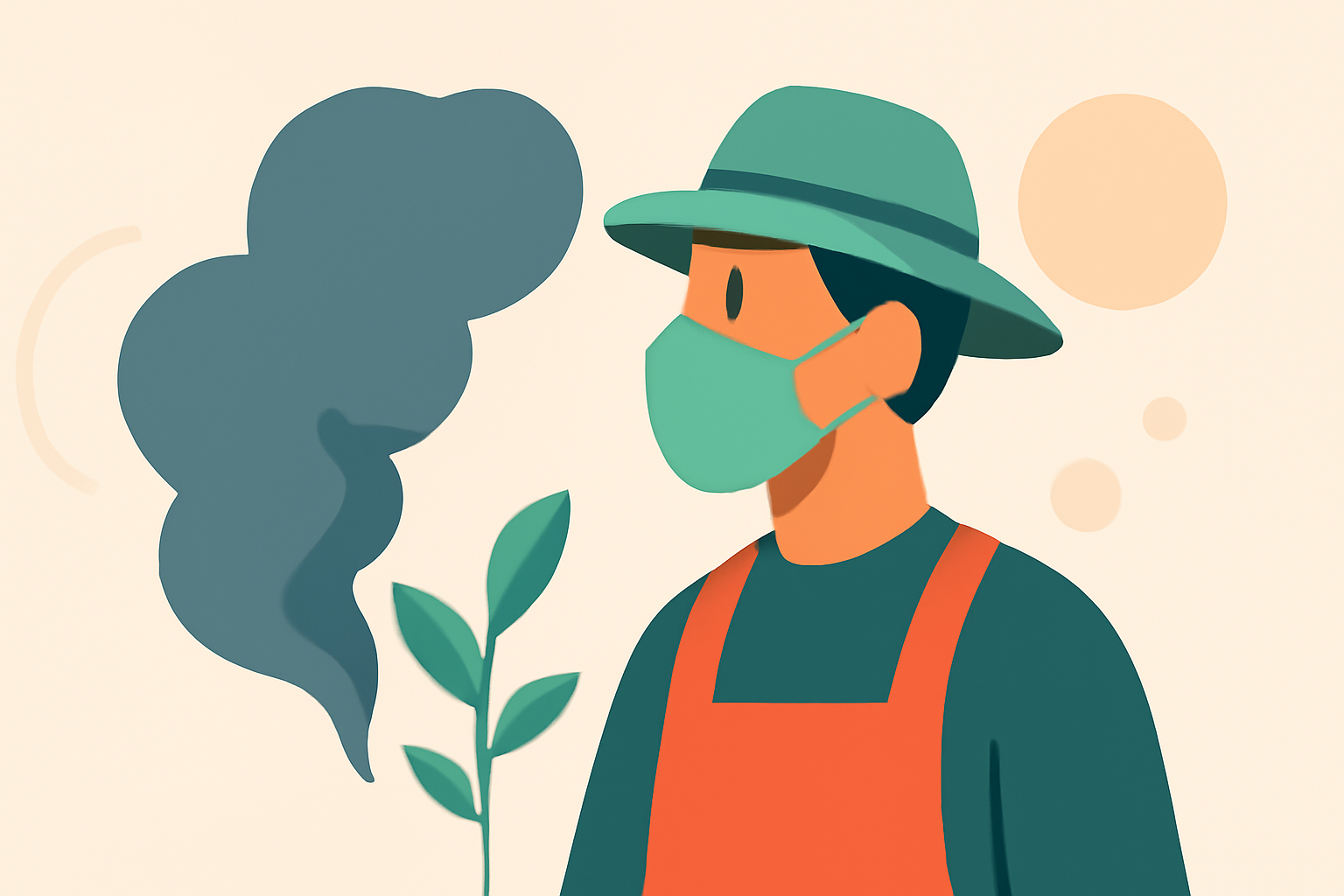
Wildfires can significantly impact air quality, posing health risks to gardeners and affecting plant health. Understanding how to safeguard yourself and your garden during such events is crucial.
How Does Wildfire Smoke Affect Gardeners?
Wildfire smoke contains fine particles and gases that can irritate the eyes, nose, throat, and lungs. Exposure can lead to coughing, wheezing, and difficulty breathing. Individuals with respiratory conditions, such as asthma or COPD, are particularly vulnerable. Additionally, smoke can reduce sunlight, hindering photosynthesis and potentially harming plant health. (cdc.gov)
What Are the Immediate Health Risks of Wildfire Smoke?
Breathing in wildfire smoke can cause:
-
Coughing
-
Wheezing
-
Shortness of breath
-
Eye irritation
-
Headaches
Individuals with existing health conditions, such as asthma, heart disease, or diabetes, may experience exacerbated symptoms. (cdc.gov)
How Can Gardeners Protect Themselves from Smoke Exposure?
-
Stay Informed: Monitor local air quality using the Air Quality Index (AQI) at AirNow.gov.
-
Limit Outdoor Activities: Reduce time spent outdoors, especially during periods of heavy smoke.
-
Create a Clean Indoor Environment: Keep windows and doors closed. Use air purifiers with HEPA filters to reduce indoor smoke levels. Avoid activities that can worsen indoor air quality, such as smoking or using gas appliances. (cdc.gov)
-
Use Protective Gear: If you must go outside, wear a well-fitting N95 or KN95 mask to filter out harmful particles. (axios.com)
How Can Gardeners Protect Their Plants During Wildfire Smoke Events?
-
Rinse Plants: Gently wash leaves and soil to remove smoke particulates.
-
Avoid Fertilizing: Refrain from fertilizing until new growth appears to prevent additional stress on plants.
-
Monitor Watering: Ensure plants receive adequate water, but avoid overwatering, which can lead to root rot.
-
Prune Damaged Areas: Carefully remove any visibly damaged foliage to promote healthy growth.
-
Consider Fire-Resistant Landscaping: Incorporate native or fire-adapted species and use inorganic mulches like gravel to reduce fire risk. (homesandgardens.com)
When Should Gardeners Seek Medical Attention During Wildfire Smoke Events?
Seek medical attention if you experience:
-
Persistent coughing
-
Wheezing
-
Shortness of breath
-
Chest pain
-
Severe headaches
-
Eye irritation
Individuals with existing health conditions should consult their healthcare provider for personalized advice. (cdc.gov)
How Can Gardeners Stay Updated on Wildfire Smoke Conditions?
-
Monitor Air Quality: Regularly check the AQI at AirNow.gov.
-
Stay Informed: Follow local news and heed guidance from local emergency management officials.
-
Prepare an Emergency Plan: Develop a plan for evacuation and ensure all family members are aware of safety procedures. (cdc.gov)
By taking these precautions, gardeners can protect themselves and their plants during wildfire smoke events.
Highlights:
- How to help your yard and plants recover from the effects of wildfire smoke - expert garden advice to heal your borders, Published on Friday, July 25
- How to protect yourself from wildfire smoke, Published on Wednesday, June 07
- How to Stay Safe From Wildfire Smoke, Published on Wednesday, June 07