
Quick Wireless Emergency Alerts in 2026: Enhancing Public Safety
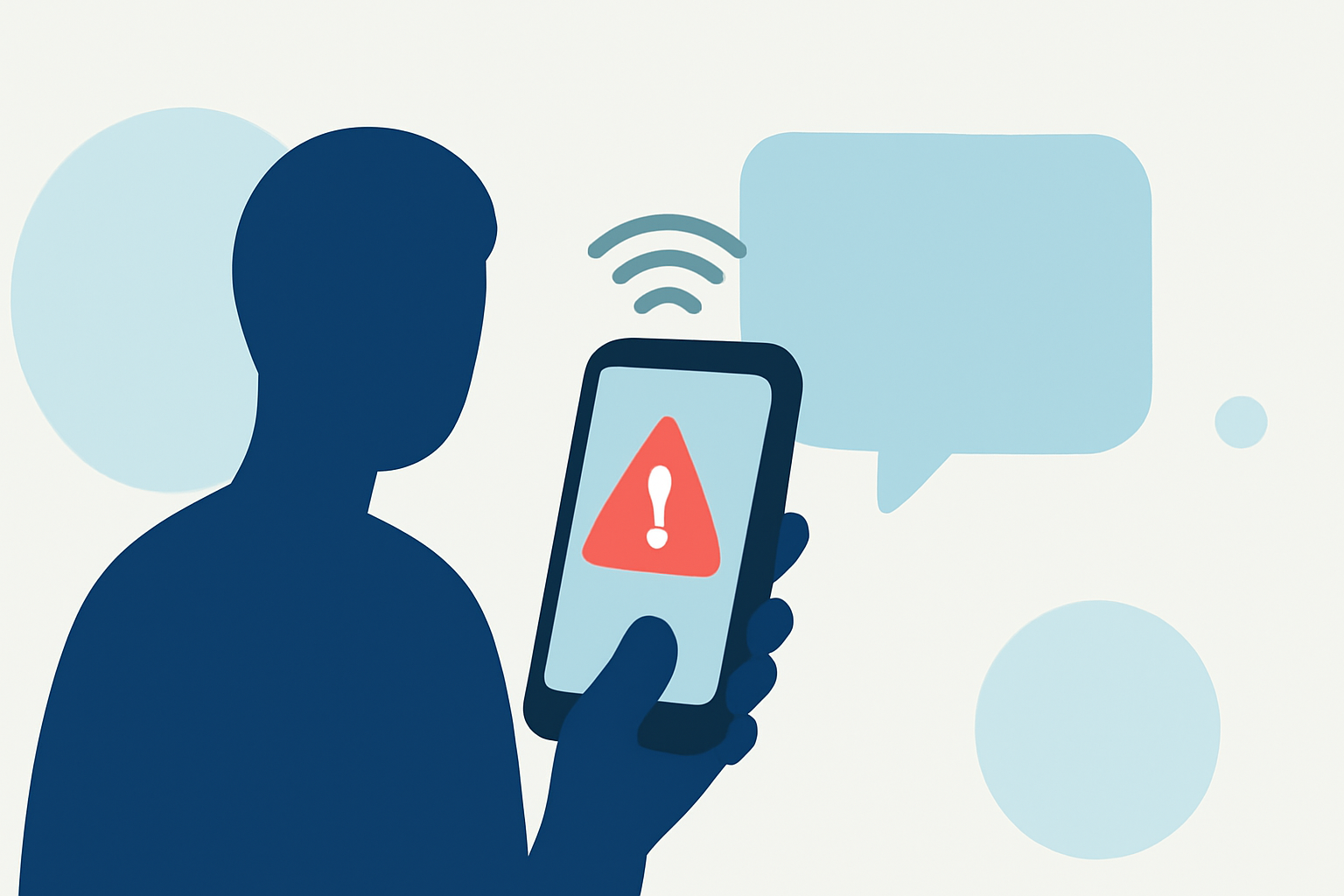
In 2026, the landscape of wireless emergency alerts has undergone significant advancements, enhancing public safety and preparedness. These alerts, delivered through various wireless communication channels, provide timely information about imminent threats such as severe weather, natural disasters, and other emergencies.
What Are Wireless Emergency Alerts?
Wireless Emergency Alerts (WEAs) are short emergency messages sent by authorized authorities to alert the public about emergencies in their area. These alerts are broadcast through wireless communication networks, ensuring rapid dissemination of critical information. In the United States, WEAs are managed by the Federal Emergency Management Agency (FEMA) in partnership with the Federal Communications Commission (FCC).
Advancements in Wireless Emergency Alerts by 2026
By 2026, several key advancements have been implemented to improve the effectiveness and reach of wireless emergency alerts:
-
Enhanced Geographic Targeting: Modern systems allow for more precise targeting of alerts, ensuring that only individuals in the affected areas receive notifications. This minimizes unnecessary alarms and focuses resources where they are needed most.
-
Integration with Multiple Platforms: Alerts are now disseminated across various platforms, including mobile devices, television, radio, and digital billboards, ensuring comprehensive coverage and accessibility.
-
Improved Message Clarity and Detail: Advancements in technology have enabled the inclusion of more detailed information in alerts, such as evacuation routes, shelter locations, and real-time updates, empowering individuals to make informed decisions.
Benefits of Enhanced Wireless Emergency Alerts
The improvements in wireless emergency alerts by 2026 offer several benefits:
-
Increased Public Safety: Timely and accurate alerts enable individuals to take protective actions promptly, reducing the risk of injury and loss of life.
-
Efficient Resource Allocation: Authorities can direct resources more effectively by targeting alerts to specific areas, optimizing response efforts.
-
Community Resilience: Well-informed communities are better equipped to handle emergencies, leading to quicker recovery and less disruption.
Clime's Role in Delivering Timely Notifications
Clime has been at the forefront of enhancing wireless emergency alerts, offering a platform that integrates real-time data with user-friendly interfaces. By leveraging advanced technology, Clime ensures that users receive timely and accurate information, empowering them to respond effectively to emergencies.
Conclusion
The evolution of wireless emergency alerts by 2026 has significantly bolstered public safety through timely and precise information dissemination. Clime's commitment to innovation and user-centric design continues to lead the way in delivering critical notifications, ensuring communities are well-prepared and resilient in the face of emergencies.