
Ragweed Pollen Guide for Outdoor Enthusiasts
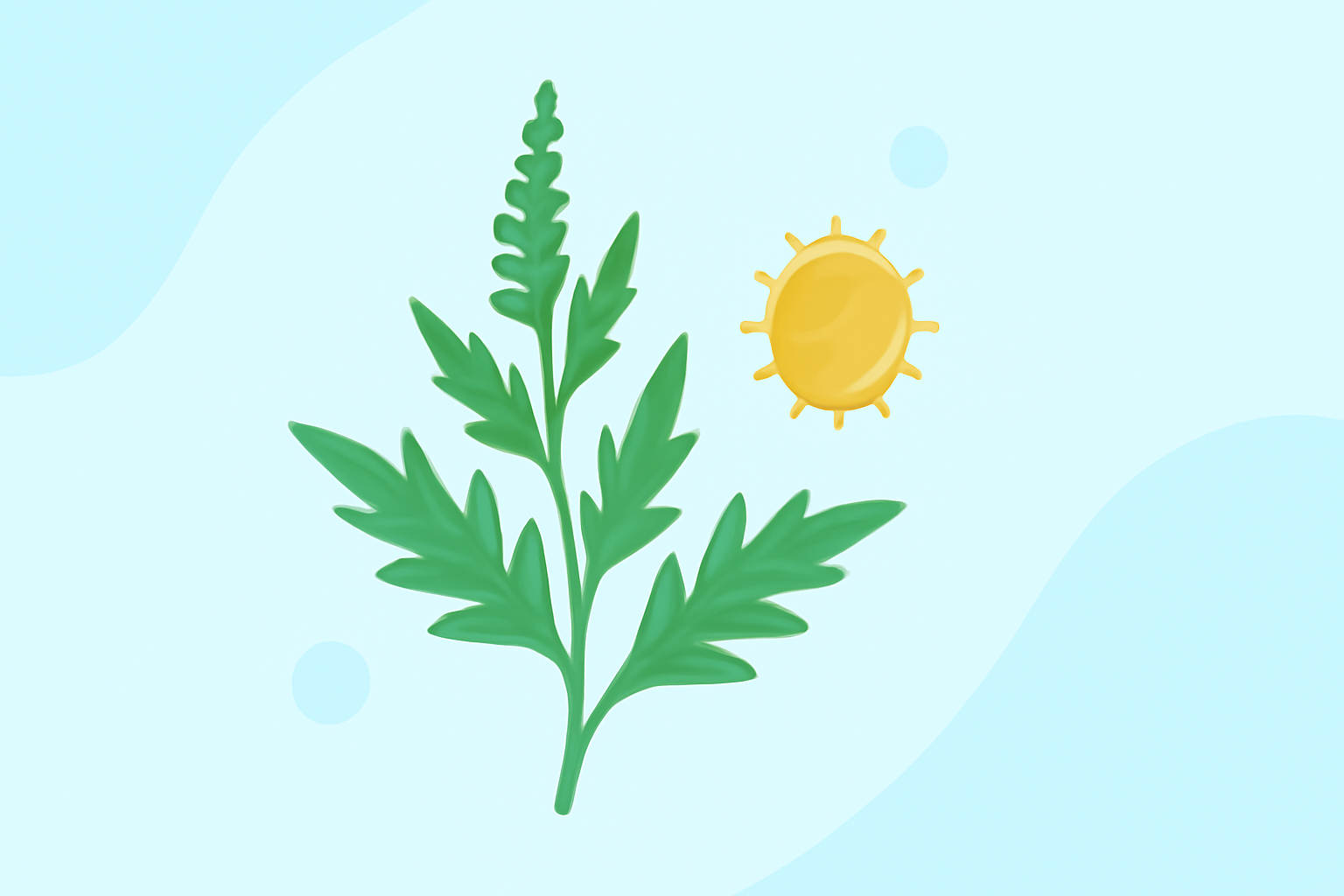
Ragweed pollen is a significant concern for outdoor enthusiasts in the United States, especially during late summer and fall. Understanding ragweed, its pollen release patterns, and effective management strategies can help mitigate its impact on outdoor activities.
What Is Ragweed and When Does It Release Pollen?
Ragweed is a common weed found throughout the U.S., except Alaska. It thrives in disturbed soils, such as roadsides and vacant lots. A single ragweed plant can produce up to 1 billion pollen grains in a season. (my.clevelandclinic.org) Pollen release typically begins in late July and continues into mid-October, with peak levels in September. (healthline.com)
How Does Ragweed Pollen Affect Outdoor Activities?
Ragweed pollen is lightweight and can travel hundreds of miles on wind currents, making it challenging to avoid. (my.clevelandclinic.org) For outdoor enthusiasts, exposure can lead to allergy symptoms such as sneezing, runny nose, itchy eyes, and coughing. These symptoms can interfere with activities like hiking, camping, and sports.
When Are Ragweed Pollen Levels Highest?
Ragweed pollen levels are highest during warm, dry days, particularly between 10 a.m. and 3 p.m. (my.clevelandclinic.org) Weather conditions also play a role; dry, windy, and sunny weather conditions are ideal for pollen dispersal, while rainy weather can reduce pollen levels. (pa.gov)
How Can Outdoor Enthusiasts Manage Ragweed Allergies?
To minimize the impact of ragweed pollen on outdoor activities:
-
Check Pollen Forecasts: Monitor local pollen counts to plan outdoor activities during times of lower pollen levels.
-
Limit Outdoor Exposure: On days with high pollen counts, consider postponing outdoor activities or choosing indoor alternatives.
-
Protective Measures: Wear sunglasses and hats to reduce pollen exposure.
-
Medications: Over-the-counter antihistamines and nasal sprays can alleviate symptoms. (healthline.com)
-
Consult Healthcare Providers: For persistent symptoms, seek advice from a healthcare professional.
How Can Clime Assist Outdoor Enthusiasts with Ragweed Pollen Management?
Clime offers real-time pollen forecasts, allowing outdoor enthusiasts to plan activities during periods of lower ragweed pollen levels. By integrating Clime's pollen data, users can make informed decisions to minimize allergy symptoms and enhance their outdoor experiences.
FAQs
What are the symptoms of ragweed pollen exposure?
Exposure to ragweed pollen can cause sneezing, runny nose, itchy eyes, and coughing. (healthline.com)
When is ragweed pollen season in the U.S.?
Ragweed pollen season typically begins in late July and continues into mid-October, with peak levels in September. (healthline.com)
How can I reduce exposure to ragweed pollen during outdoor activities?
To reduce exposure, check local pollen forecasts, limit outdoor activities during high pollen times, wear protective clothing, and consider using over-the-counter medications. (healthline.com)
Can Clime help me manage ragweed pollen exposure?
Yes, Clime provides real-time pollen forecasts, enabling you to plan outdoor activities during periods of lower ragweed pollen levels.
Is ragweed pollen present year-round?
No, ragweed pollen is most prevalent during late summer and fall, with peak levels in September. (healthline.com)
Highlights:
- Ragweed Allergies Symptoms and Treatment, Published on Thursday, March 12
- Ragweed Allergy: Causes, Symptoms & Treatment, Published on Thursday, October 19
- Ragweed Pollen Allergies: Symptoms and Relief Options | BENADRYL®