
Understanding Ragweed Pollen During Heat Waves
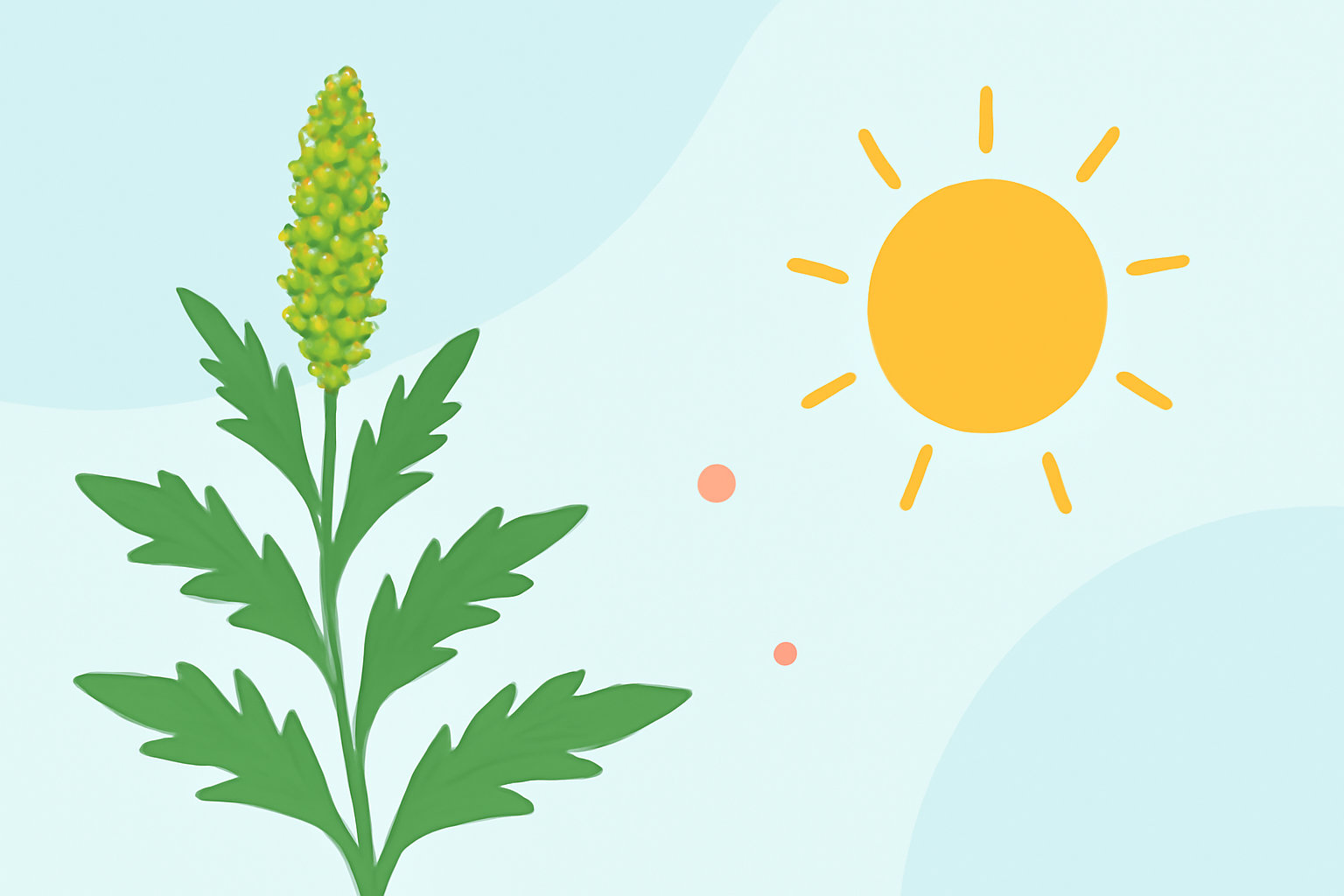
Ragweed pollen is a significant allergen in the United States, especially during late summer and fall. Heat waves can intensify its effects, leading to more severe allergy symptoms.
What Is Ragweed Pollen?
Ragweed is a common weed that releases pollen into the air, causing allergic reactions in many individuals. A single ragweed plant can produce up to 1 billion pollen grains in a season. This pollen is lightweight and can travel long distances, affecting people far from the source. (my.clevelandclinic.org)
How Do Heat Waves Affect Ragweed Pollen?
Heat waves, characterized by prolonged periods of excessively high temperatures, can influence ragweed pollen in several ways:
-
Extended Pollen Season: Warmer temperatures can lengthen the ragweed pollen season, causing it to start earlier and end later. Studies have shown that in some regions, the pollen season has increased by nearly a month since 1995. (19january2021snapshot.epa.gov)
-
Increased Pollen Production: Elevated temperatures and higher carbon dioxide levels can boost ragweed growth and pollen output. Research indicates that warming can lead to a significant increase in ragweed biomass and pollen production. (pubmed.ncbi.nlm.nih.gov)
-
Enhanced Allergenicity: Heat waves may alter the chemical composition of pollen, potentially increasing its allergenic potency. This means that pollen released during extreme heat could be more likely to trigger allergic reactions. (sciencedirect.com)
Implications for Allergy Sufferers
For individuals sensitive to ragweed pollen, heat waves can lead to:
-
Prolonged Exposure: A longer pollen season means extended periods of exposure to allergens.
-
Increased Symptoms: Higher pollen counts and more potent allergens can intensify symptoms like sneezing, nasal congestion, and eye irritation.
-
Worsened Asthma: Those with asthma may experience more frequent or severe attacks during these periods.
Managing Ragweed Allergies During Heat Waves
To mitigate the impact of ragweed pollen during heat waves:
-
Stay Informed: Monitor local pollen forecasts to anticipate high pollen days.
-
Limit Outdoor Activities: On days with high pollen counts, especially during midday when pollen levels peak, try to stay indoors.
-
Keep Windows Closed: Use air conditioning to cool your home while keeping windows shut to prevent pollen from entering.
-
Use Air Purifiers: Equip your home with air purifiers to reduce indoor pollen levels.
-
Consult Healthcare Providers: Seek advice on appropriate medications or treatments to manage symptoms effectively.
Conclusion
Heat waves can significantly affect ragweed pollen dynamics, leading to longer seasons, increased production, and heightened allergenic potential. Being proactive and informed can help individuals manage their allergies more effectively during these challenging periods.
Highlights:
- USDA Study Confirms Links Between Longer Ragweed Season and Climate Change : USDA ARS, Published on Monday, February 21
- Climate Change Indicators: Ragweed Pollen Season | Climate Change Indicators in the United States | US EPA
- Ragweed Migration With Warming Climates — Where It’s Heading | HeyAllergy, Published on Wednesday, February 18