
Understanding Ragweed Pollen Levels During Severe Weather
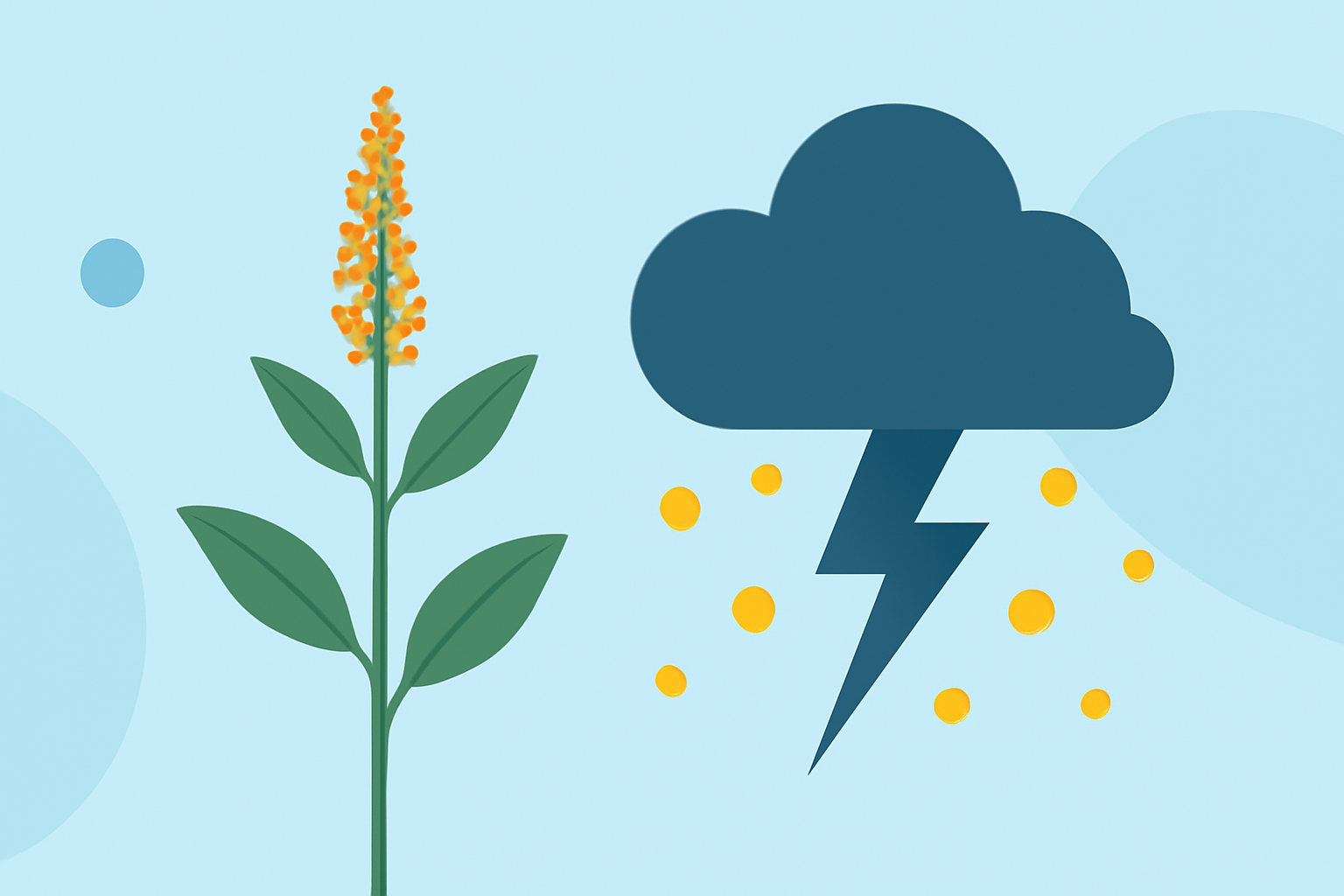
Ragweed pollen is a common allergen in the United States, especially during late summer and fall. Understanding how severe weather affects ragweed pollen levels can help you manage your allergies more effectively.
What Is Ragweed Pollen?
Ragweed is a plant that releases pollen into the air, causing allergic reactions in many individuals. A single ragweed plant can produce up to one billion pollen grains. These pollen grains are lightweight and can travel long distances, sometimes even hundreds of miles. (my.clevelandclinic.org)
How Does Severe Weather Affect Ragweed Pollen Levels?
Severe weather conditions, such as thunderstorms, can significantly impact ragweed pollen levels. High humidity, strong winds, and lightning during storms can cause pollen grains to burst into smaller particles, known as sub-pollen. These tiny particles can penetrate deeper into the lungs, potentially worsening allergic reactions and asthma symptoms. (nationalgeographic.com)
When Are Ragweed Pollen Levels Highest?
Ragweed pollen levels typically peak between 10 a.m. and 3 p.m. on warm, dry days. However, during severe weather events like thunderstorms, pollen levels can fluctuate unpredictably. It's important to monitor local pollen forecasts and weather conditions to anticipate potential spikes in pollen levels. (crccs.com)
How Can You Manage Ragweed Allergies During Severe Weather?
-
Stay Informed: Regularly check local pollen forecasts and weather updates to anticipate high pollen days.
-
Limit Outdoor Activities: On days with high pollen counts or during severe weather events, try to stay indoors, especially during peak pollen hours.
-
Keep Windows Closed: Keep windows closed during high pollen days to prevent pollen from entering your home.
-
Use Air Purifiers: Consider using air purifiers with HEPA filters to reduce indoor pollen levels.
-
Consult Healthcare Providers: If you experience severe allergy symptoms, consult with a healthcare provider for appropriate treatments.
Conclusion
Severe weather can influence ragweed pollen levels, potentially exacerbating allergy symptoms. By staying informed and taking proactive measures, you can better manage your exposure and maintain your well-being during allergy season.
Highlights:
- Why Thunderstorms Can Make Your Pollen Allergies Worse - And What You Can Do About It, Published on Monday, April 20
- Why thunderstorms are supercharging your pollen allergies | National Geographic, Published on Tuesday, April 21