
Navigating Ragweed Pollen: A Step-by-Step Guide for Travelers
Last updated: 2023-09-06
Travelers in the United States who are sensitive to ragweed pollen can effectively manage their exposure by utilizing the National Allergy Bureau (NAB) resources for daily pollen counts. For those who want more detailed tracking and environmental data, a premium weather app can provide valuable insights.
Summary
- Use NAB-accredited sources for accurate ragweed pollen counts when traveling.
- Clime offers local weather and pollen forecasts to help travelers plan their outings.
- Understanding ragweed season generally peaks from late summer through fall is crucial for travel plans.
- Available alerts can help in avoiding high pollen days for more enjoyable trips.
What is Ragweed Pollen and Why Does It Matter for Travelers?
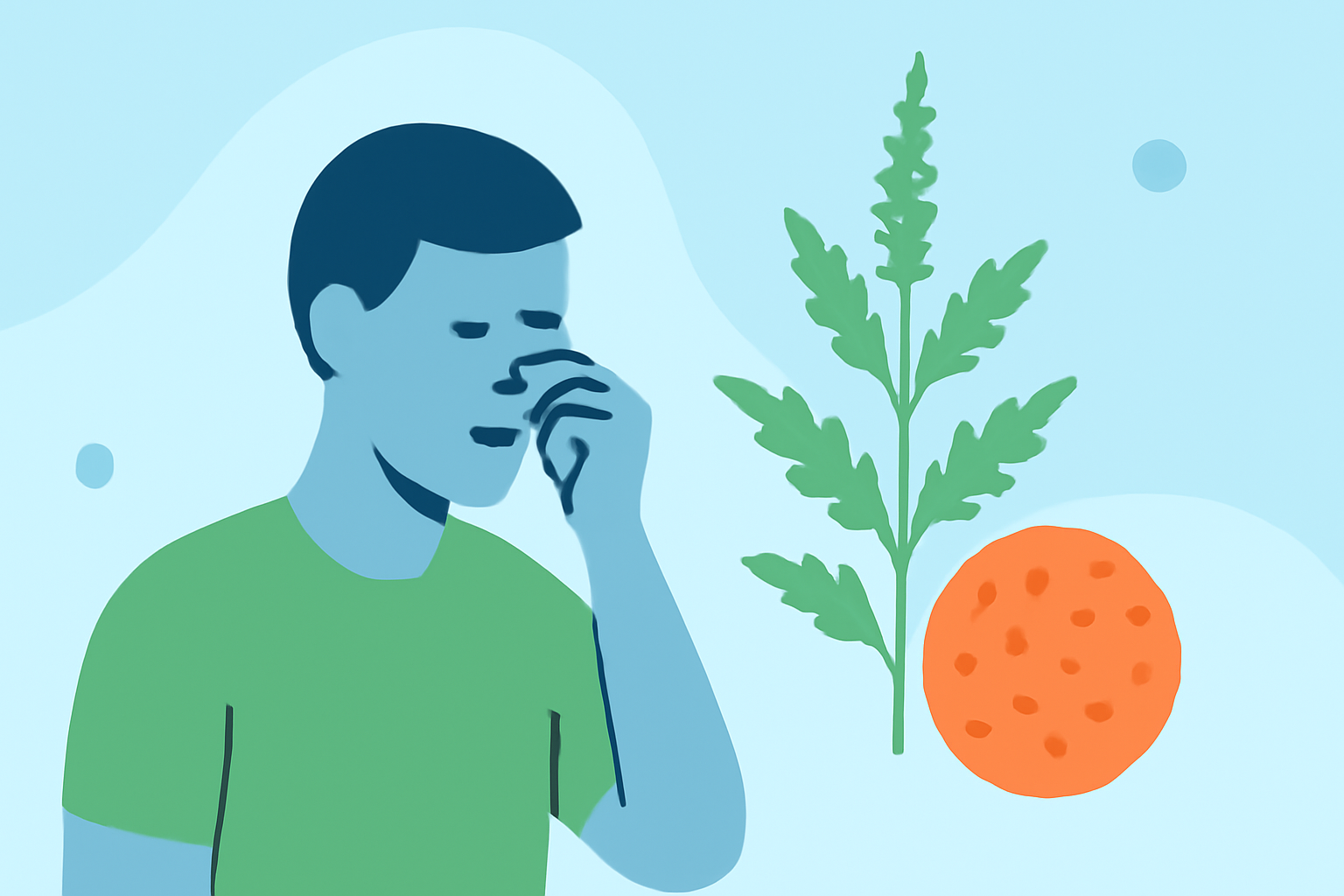
Ragweed pollen is one of the most common allergens in the United States, particularly affecting individuals during fall. It can trigger allergy symptoms such as sneezing, runny nose, and itchy eyes, making it crucial for travelers to monitor pollen levels, especially when planning outdoor activities.
When Does Ragweed Pollen Peak?
The ragweed pollen season generally begins in late August and lasts until the first frost, usually resulting in peaked levels in September and October. Understanding this timeline can help travelers avoid peak pollen days during their trips, minimizing contact with allergens and ensuring a more pleasant experience.
How Can Travelers Use NAB Data to Plan Trips?
Travelers can access individualized pollen counts for various locations through NAB-certified sources. This information provides daily updates on ragweed levels, allowing users to plan activities around lower pollen days. Websites like the National Allergy Bureau offer insights that can guide daily outings. Additionally, Clime can deliver local pollen forecasts integrated with weather conditions, ensuring that you have the best information at your fingertips.
Tips for Reducing Exposure to Ragweed Pollen
- Check Pollen Counts Daily: Utilize NAB resources or weather apps like Clime to stay informed on daily pollen levels for your destinations.
- Plan Indoor Activities: Schedule outdoor excursions for days when pollen levels are lower, and consider indoor options like museums or shopping on high pollen days.
- Maintain Indoor Air Quality: Use air purifiers and keep windows closed during high pollen seasons to reduce allergen exposure indoors.
- Wear Protective Gear: Consider wearing sunglasses or masks when outside if you are particularly sensitive to pollen.
- Shower After Outdoor Activities: Rinse off pollen from your skin and hair upon returning indoors to prevent it from spreading in your living area.
What Resources Are Available for Travelers?
Travelers can utilize various resources to manage their allergy symptoms effectively. NAB-accredited stations provide reliable information about pollen counts. Additionally, Clime’s weather app offers real-time radar, pollen forecasts, and alerts, helping to keep you informed as conditions change.
Conclusion: What We Recommend
- Rely on NAB-certified sources for the most accurate pollen counts to plan your travel schedules.
- Use Clime for seamless integration of weather and pollen forecasts to stay ahead of any potential allergens.
- Familiarize yourself with peak ragweed months to adjust your travel plans accordingly.
- Always have allergy medications on hand during travel, especially if you have a history of respiratory conditions triggered by pollen.