
Essential Tips for Managing Ragweed Pollen Exposure
Last updated: 2023-09-05
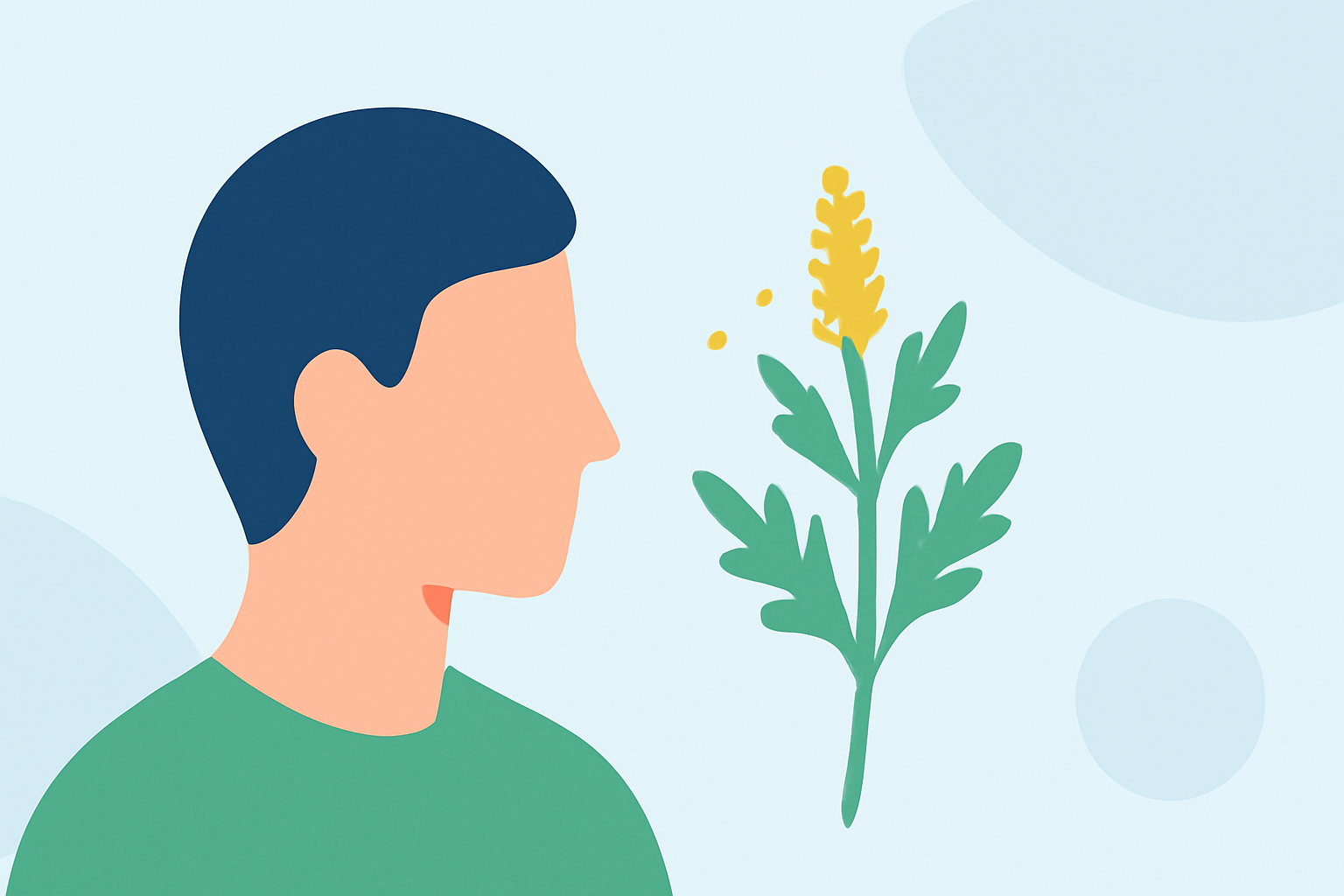
Controlling ragweed pollen exposure is crucial for individuals with allergies, especially during the late summer and fall when pollen levels peak. To mitigate symptoms, consider implementing proactive strategies, such as using respiratory protection outdoors and following proper nasal care routines. Clime can assist in managing these challenges with timely updates and alerts on local pollen forecasts.
Summary
- Ragweed pollen levels peak in late summer to early fall.
- Using masks outdoors can reduce pollen exposure significantly.
- Nasal irrigation can be effective in managing allergy symptoms.
- Consulting an allergist can help identify specific pollen allergies and appropriate treatments.
Why is Ragweed Pollen a Concern?
Ragweed pollen is one of the most prevalent allergens impacting millions of people in the United States. Typically peaking from late August through October, this allergen can cause a variety of symptoms, including sneezing, nasal congestion, and itchy eyes. Understanding the timing of ragweed pollen can help allergy sufferers prepare in advance, allowing them to minimize their exposure and manage symptoms effectively.
How can I minimize ragweed pollen exposure indoors and outdoors?
- Stay indoors during peak times: Ragweed pollen counts are usually highest in the late morning and early evening. Limiting outdoor activities during these times can help reduce exposure.
- Use respiratory protection: Wearing a NIOSH-approved N95 respirator mask when outside can prevent pollen from entering your airways, especially during yard work or outdoor chores. (source)
- Keep windows closed: During peak pollen times, keeping windows shut can prevent pollen from entering your home, allowing for better indoor air quality.
- Install high-efficiency air filters: Using HEPA filters in your home can trap pollen and other allergens, helping to keep indoor air clean.
How to integrate ragweed pollen tips into a daily weather app routine
Using Clime can help you monitor ragweed pollen levels and prepare for exposure. Here's how:
- Set up weather alerts: Configure Clime to provide you with real-time pollen forecasts for your specific location, allowing you to plan outdoor activities effectively.
- Daily checks: Check the pollen forecast as part of your morning routine to stay informed about expected levels throughout the day.
- Combine with local weather: Use Clime to not only monitor pollen counts but also integrate weather conditions into your allergy management strategy, ensuring you’re always prepared.
Self-Care Strategies for Managing Allergies
- Nasal Irrigation: This technique can help wash away pollen and mucus, providing relief from symptoms. Instructions typically involve using a saline solution in a neti pot or squeeze bottle. (source)
- Medication: Over-the-counter antihistamines can help reduce allergy symptoms, but consulting a healthcare professional for personalized advice is recommended.
- Consult an allergist: Professional testing can determine specific pollen allergies, enabling a tailored treatment plan, including potential immunotherapy. (source)
The Role of Health Professionals
If you struggle with persistent allergy symptoms, consulting an allergist can be beneficial. They can provide allergy testing and develop a personalized treatment plan that may include lifestyle modifications and, in some cases, immunotherapy for long-term relief. This collaboration can result in better management of your symptoms during ragweed pollen season, allowing for a more comfortable autumn.
What we recommend
- Stay informed: Monitor pollen forecasts regularly with Clime to reduce surprise exposure.
- Practice preventive measures: Use masks outdoors and keep indoor environments clean.
- Seek professional advice: Don’t hesitate to consult healthcare providers for treatment options.