
Essential Tips for Travelers to Manage Ragweed Pollen Allergies
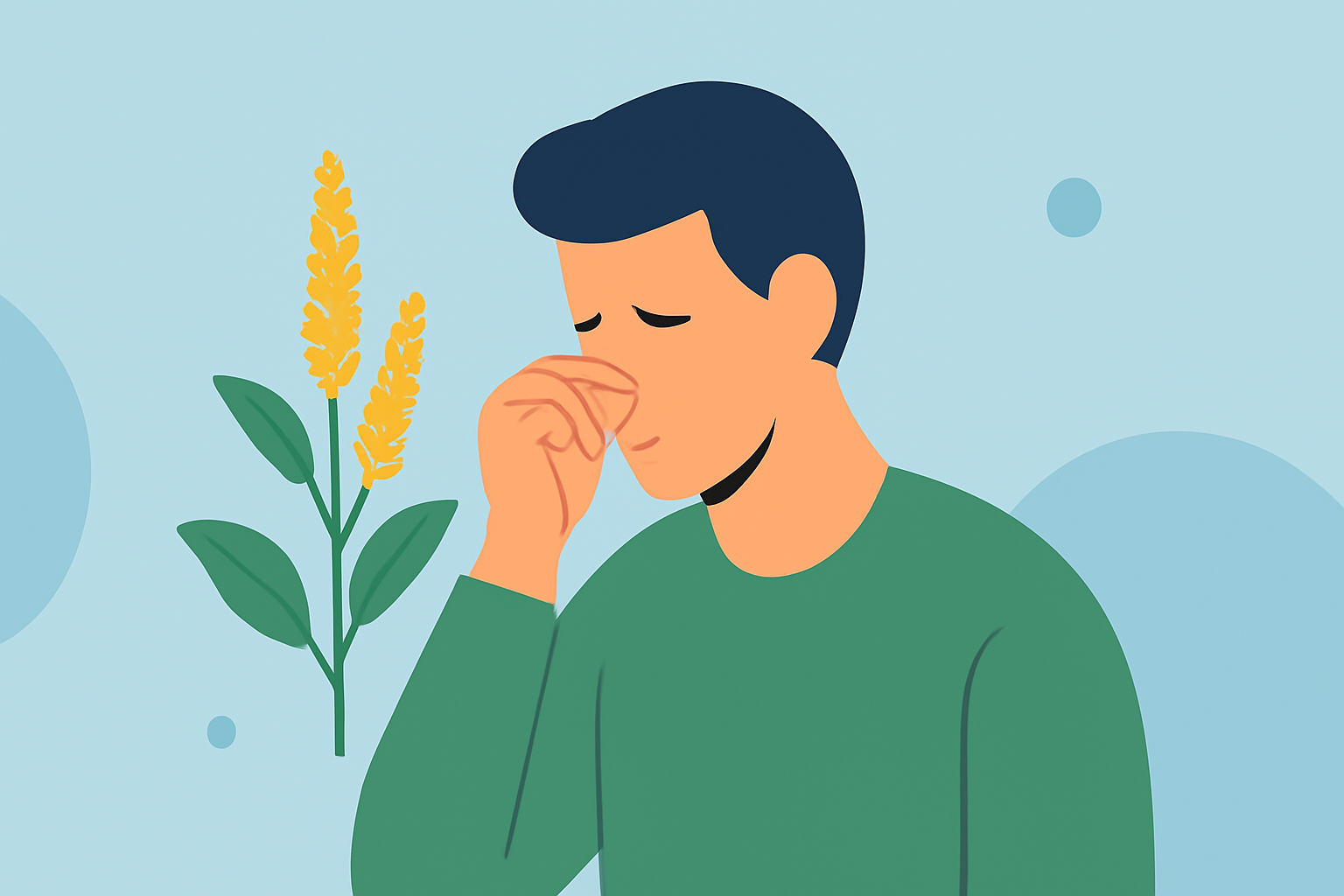
Traveling can be a delightful experience, but for those sensitive to ragweed pollen, it can pose challenges. Ragweed, a common allergen in the United States, releases pollen primarily between late summer and fall, affecting many travelers. Understanding how to manage exposure can make your journey more comfortable.
What Is Ragweed and When Does It Release Pollen?
Ragweed is a plant species prevalent across the U.S., known for its potent pollen that can travel hundreds of miles. Pollen release typically begins in late July and continues into October, with peak levels in September. The highest pollen counts usually occur between 5 a.m. and 10 a.m. (healthline.com)
How Does Ragweed Pollen Affect Travelers?
Exposure to ragweed pollen can lead to symptoms such as sneezing, runny nose, itchy eyes, coughing, and throat irritation. For individuals with asthma, ragweed pollen can exacerbate breathing difficulties. (webmd.com)
Strategies to Minimize Ragweed Pollen Exposure While Traveling
- Research Your Destination's Pollen Levels
Before traveling, check the pollen forecast for your destination. This information can help you plan outdoor activities during times when pollen levels are lower. (health.clevelandclinic.org)
- Keep Windows Closed
Whether in your hotel room or vehicle, keeping windows closed can significantly reduce indoor pollen exposure. Use air conditioning with the vent set to recirculate air to maintain comfort. (iqair.com)
- Use Air Purifiers
Utilize high-performance air purifiers equipped with HEPA filters to capture pollen particles. Placing one in your hotel room can improve air quality and reduce symptoms. (iqair.com)
- Limit Outdoor Activities During Peak Pollen Times
Engage in outdoor activities during times when pollen counts are lower, typically in the late afternoon or after rainfall. Avoid being outdoors in the morning hours between 5:00 and 10:00 a.m., when pollen dispersal is peaking. (files.dep.state.pa.us)
- Wear Protective Gear
Consider wearing a high-quality mask, such as an N95 respirator, when engaging in outdoor activities to filter out pollen particles. (iqair.com)
- Shower and Change Clothes After Outdoor Exposure
After spending time outdoors, shower and wash your hair to remove pollen from your body and hair. Changing clothes can also prevent pollen from contaminating indoor spaces. (iqair.com)
- Monitor Local Pollen Counts
Stay informed about local pollen levels by checking daily pollen forecasts. This can help you plan your activities and take necessary precautions when pollen levels are high. (health.clevelandclinic.org)
When to Seek Medical Advice
If your allergy symptoms persist or worsen despite these measures, consult a healthcare professional. They can recommend appropriate treatments, such as antihistamines or allergy shots, to help manage your symptoms effectively. (healthline.com)
By implementing these strategies, travelers can significantly reduce their exposure to ragweed pollen and enjoy their journeys with greater comfort.
Highlights:
- Ragweed Allergies Symptoms and Treatment, Published on Thursday, March 12
- 6 Steps you can take to control ragweed allergies | IQAir | IQAir USA