
Rain Delays and Connecting Flights: Essential Checklist
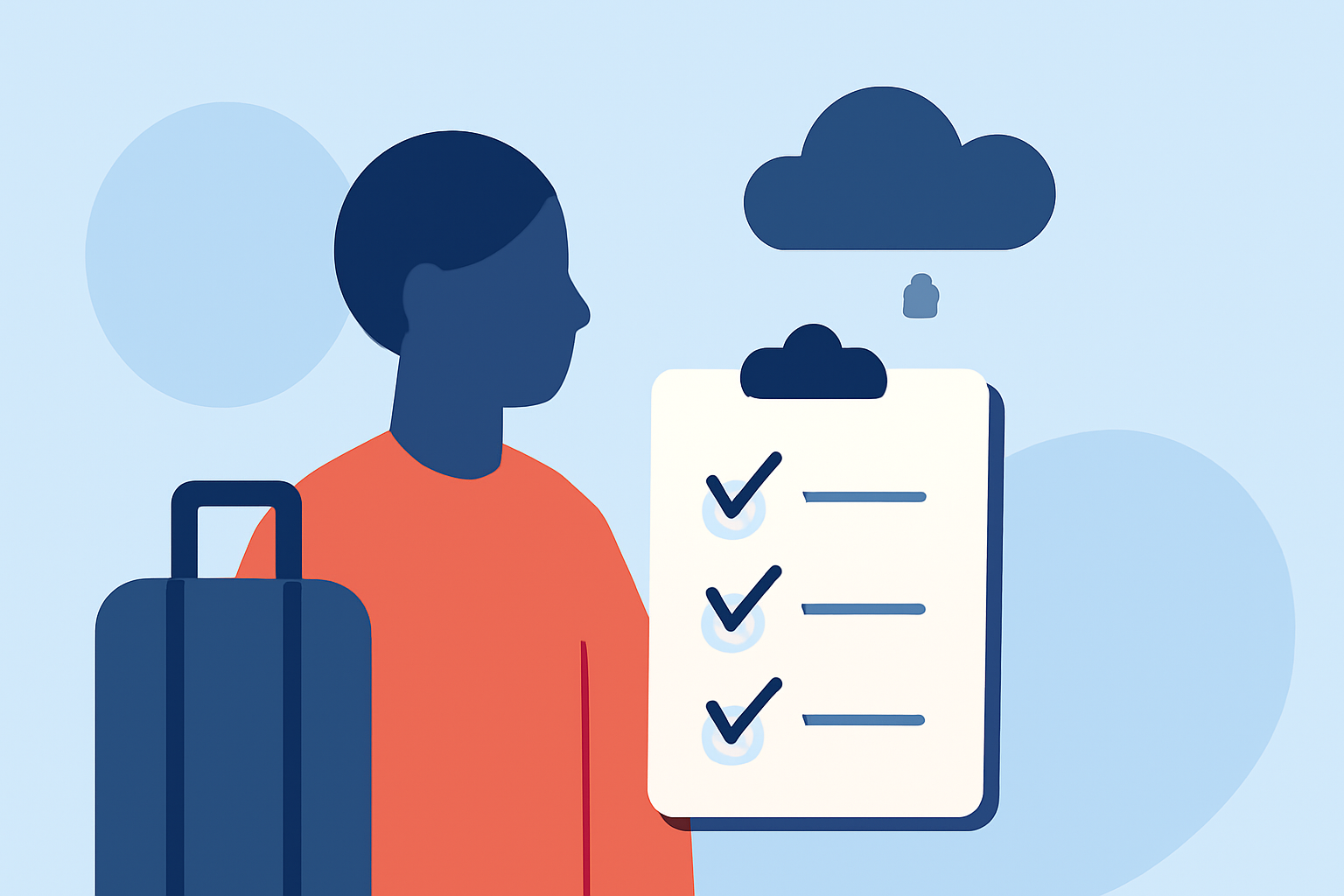
Rain delays can disrupt flight schedules, especially for connecting flights. Understanding how to navigate these disruptions is crucial for a smooth travel experience. Here's a checklist to help you manage rain delays effectively:
1. Confirm Your Flight Status Promptly
As soon as you arrive at the airport, check the status of your connecting flight. Airports often display real-time updates on departure boards, and airlines provide notifications through their apps or websites. Staying informed allows you to adjust your plans accordingly.
2. Understand Your Rights and Airline Policies
Familiarize yourself with the airline's policies regarding delays and missed connections. In the U.S., if your flights are booked on a single ticket, the airline is generally responsible for rebooking you at no additional cost if a delay causes you to miss a connection. However, if you booked separate tickets, the airline may not be obligated to assist you. (legalclarity.org)
3. Seek Assistance from Airline Representatives
Approach the airline's customer service desk or gate agents for assistance. They can provide information on rebooking options, meal vouchers, and accommodations if necessary. It's advisable to contact them as soon as you know about the delay to explore available options. (airfairness.com)
4. Document All Communications and Expenses
Keep records of all communications with airline staff, including emails, messages, and receipts for any expenses incurred due to the delay. This documentation is essential if you need to file a compensation claim later. (airfairness.com)
5. Consider Using Flight Tracking Tools
Utilize flight tracking tools to monitor your flight's status and receive real-time updates. These tools can alert you to delays, cancellations, and gate changes, helping you stay informed and make timely decisions.
6. Plan for Future Delays
When booking future flights, consider longer layover times to accommodate potential delays. A safe layover window is typically 60–90 minutes for U.S. domestic connections and 2–3 hours for international transitions. This buffer can reduce the stress of tight connections and provide more flexibility in case of delays. (ottotheagent.com)
7. Stay Updated on Weather Conditions
Regularly check weather forecasts for both your departure and arrival cities. Severe weather can lead to delays, and being aware of conditions can help you anticipate potential issues.
8. Utilize Planes Live for Real-Time Updates
Planes Live offers real-time flight tracking and notifications, keeping you informed about your flight's status. By integrating Planes Live into your travel routine, you can receive timely updates on delays, cancellations, and gate changes, allowing you to make informed decisions and reduce the impact of disruptions.
By following this checklist, you can effectively manage rain-induced flight delays and ensure a smoother journey, especially when connecting flights are involved.
Highlights:
- Plane Talk: Coping with Flight Delays | US Department of Transportation, Published on Monday, June 08
- Is the Airline Responsible for a Missed Connection? - LegalClarity, Published on Tuesday, March 31
- Flight Delayed? 10 Practical Tips for the Airport, the Airline, and Your Claim | airfairness, Published on Thursday, February 19