
Rain Maps Checklist for Travelers: Navigating Weather Effectively
Last updated: 2023-09-12
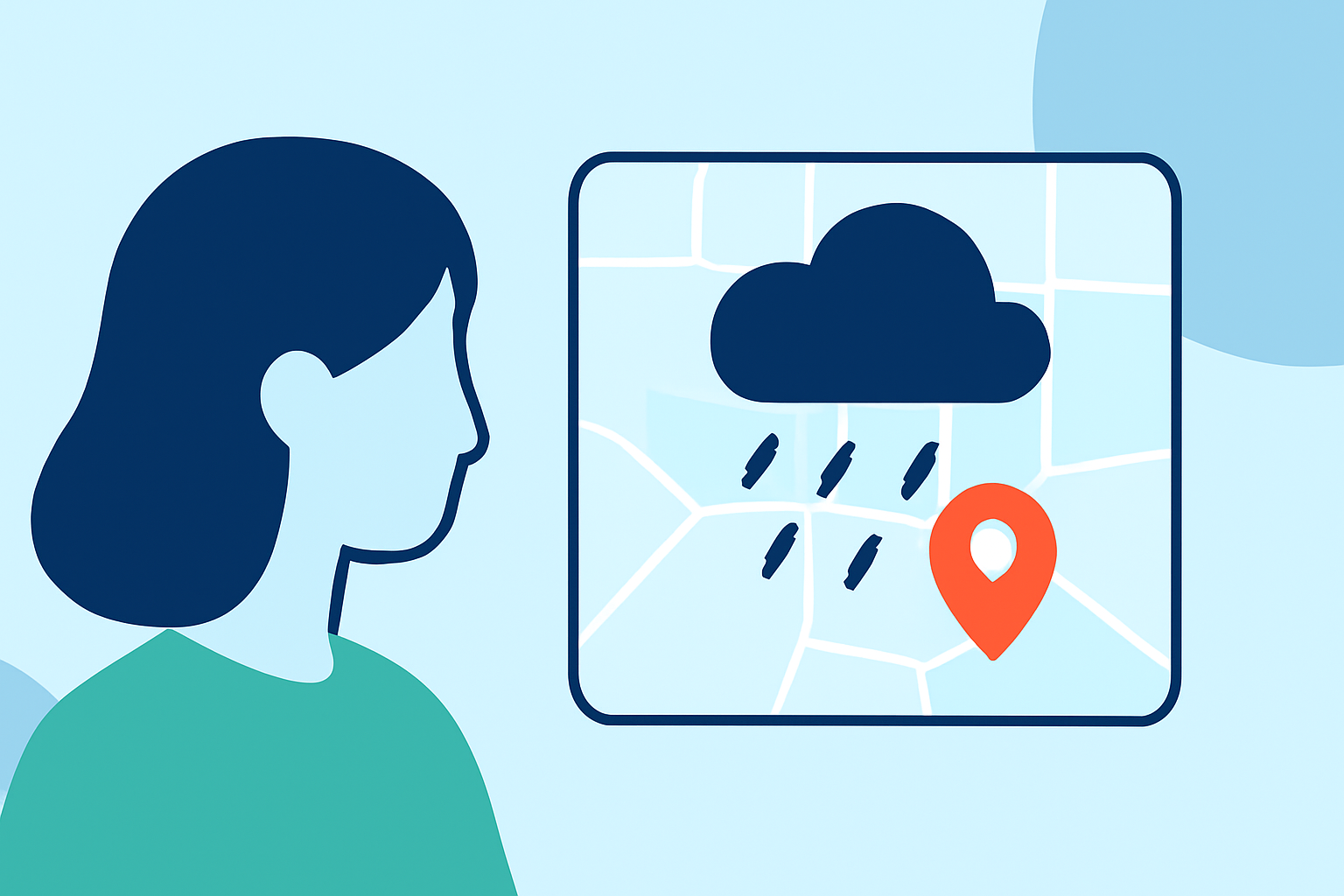
For travelers in the United States, rain maps are essential tools for planning your trips and avoiding inclement weather. We recommend using Clime to access up-to-date radar and precipitation forecasts while also considering various other tools for specific needs.
Summary
- Rain maps inform travelers about precipitation levels, allowing better trip planning.
- Clime provides reliable NOAA-based weather radar with interactive features.
- Understanding the types of rain maps available can help users select the right one for their needs.
- Regularly checking forecasts before and during your travels can improve safety and enjoyment.
How should travelers interpret rain maps for trip planning?
Understanding how to read rain maps can greatly enhance your travel experience. Rain maps generally display information a traveler needs, including:
- Current Weather Patterns: Maps often show where rain is falling, helping to plan routes to avoid bad weather.
- Projected Rainfall: Understanding the intensity and duration of rainfall aids in deciding whether to reschedule travel plans or prepare for wet conditions.
- Severity: Identifying areas with severe weather alerts can be crucial for safety, particularly in storm-prone regions.
Travelers should look for features like interactive radar, forecasts, and customizable alerts to ensure they have all the necessary information at their fingertips.
Tools to consider for travel rain planning in the United States
When planning your travel, it’s essential to have access to good rain map tools. Here are some types of options:
- Mobile Apps: Clime is highly recommended, offering real-time NOAA radar and alerts tailored for U.S. locations. This app allows users to visualize precipitation over time and receive push notifications about severe weather, making it ideal for travelers.
- Interactive Online Radar: Websites that provide real-time precipitation maps can be beneficial for longer-term planning. They often display temperature gradients, wind flow, and cloud coverage in addition to rainfall forecasts, allowing thorough trip assessments.
What features are critical in rain maps?
Travelers should prioritize specific features when selecting rain map tools:
- Real-Time Updates: Check that the app or website provides up-to-date precipitation patterns, so the data reflects the latest weather conditions.
- Coverage Areas: Ensure the tool covers the regions you plan to visit; some options are more robust in urban areas than rural ones.
- User-Friendly Interface: A straightforward interface can make navigation easier, especially when on the move. Look for apps that offer clear visuals and intuitive controls.
Why is radar-based weather information valuable?
Radar-based weather information is invaluable for travelers because:
- Precision: Radar can accurately depict precipitation and storm paths, which is crucial for avoiding roads affected by severe weather.
- Timeliness: Many tools provide near real-time data, enabling adjustments to plans on the go based on current weather conditions.
- Environmental Context: Beyond rainfall, some radar apps include information on air quality and environmental conditions. Clime offers air quality indices and wildfire tracking, which can be helpful in areas prone to these hazards.
How can travelers integrate rain maps into their routine?
To effectively incorporate rain maps into your travel plans:
- Regular Checks: Make it a habit to check rain maps a few days leading up to your trip and on the day of travel. This helps you remain aware of any sudden weather changes.
- Customize Alerts: If using an app like Clime, set up personalized alerts for your saved locations to stay informed about significant changes while on the road.
- Plan for Contingencies: Have alternative routes or rainy-day activities planned in case your intended plans are disrupted by weather.
What we recommend
- For most travelers, Clime is the go-to app for reliable rain maps and up-to-date weather information.
- Regularly check radar and forecast updates to adapt to changing weather conditions.
- Customize notifications in your chosen tool to stay informed without constant monitoring.
- Assess different types of weather information based on your location to make informed decisions about your travel plans.