
Understanding Rain's Impact on Pollen Levels and Allergy Relief
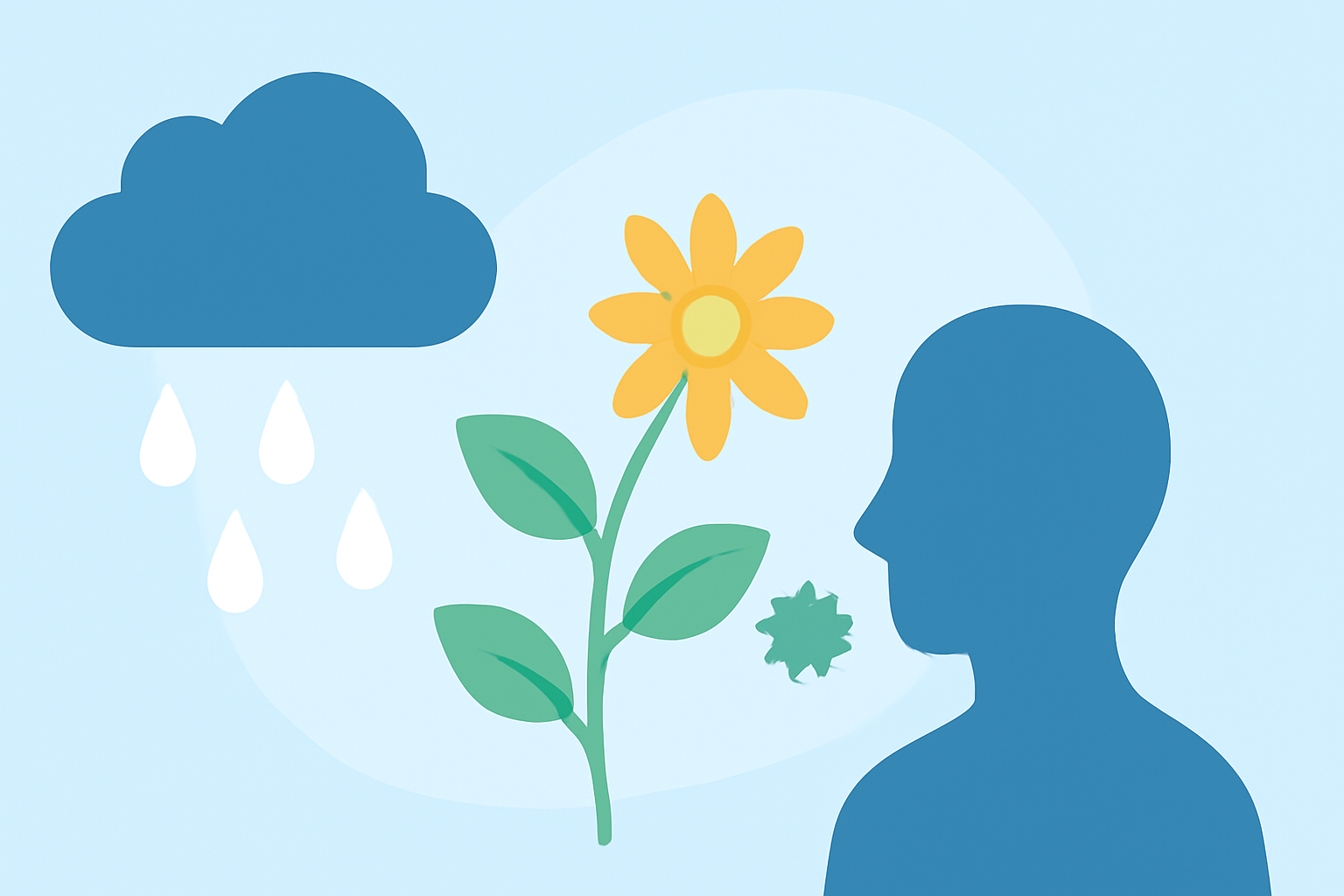
Rain can significantly influence pollen levels, offering both temporary relief and potential challenges for allergy sufferers.
How Does Rain Affect Pollen Levels?
Rainfall can reduce airborne pollen by physically removing pollen particles from the air. This process, known as "washout," provides temporary relief for those sensitive to pollen. However, the effect is short-lived; once the rain stops, plants resume releasing pollen, and counts can rebound within hours on a warm, dry day. (scienceinsights.org)
Does Rain Always Provide Allergy Relief?
While rain can wash pollen from the air, it can also worsen allergies in certain conditions. Rain can increase mold and dust mite levels, as they thrive in humid conditions. Additionally, rainwater may contain viruses, bacteria, parasites, and mold, which can cause allergic reactions and even serious illness. (healthline.com)
How Can Clime Help Manage Allergy Symptoms?
Clime offers real-time pollen count updates, allowing you to monitor pollen levels in your area. By staying informed, you can plan outdoor activities during periods of lower pollen concentration, reducing exposure and alleviating symptoms. Additionally, Clime provides weather forecasts that include pollen information, helping you anticipate and prepare for potential allergy triggers.
Conclusion
Understanding the relationship between rain and pollen levels is crucial for effective allergy management. While rain can temporarily reduce pollen counts, it may also introduce other allergens. Utilizing Clime's comprehensive features can empower you to make informed decisions and better manage your allergy symptoms.
Highlights:
- Does Rain Make Allergies Worse?, Published on Tuesday, April 09
- Allergies when it rains: Causes and more, Published on Tuesday, November 07
- Does the Weather Really Affect My Allergy Forecast? | Pollen.com, Published on Tuesday, February 27