
Getting Started with Rainfall Record Streaks in the Car
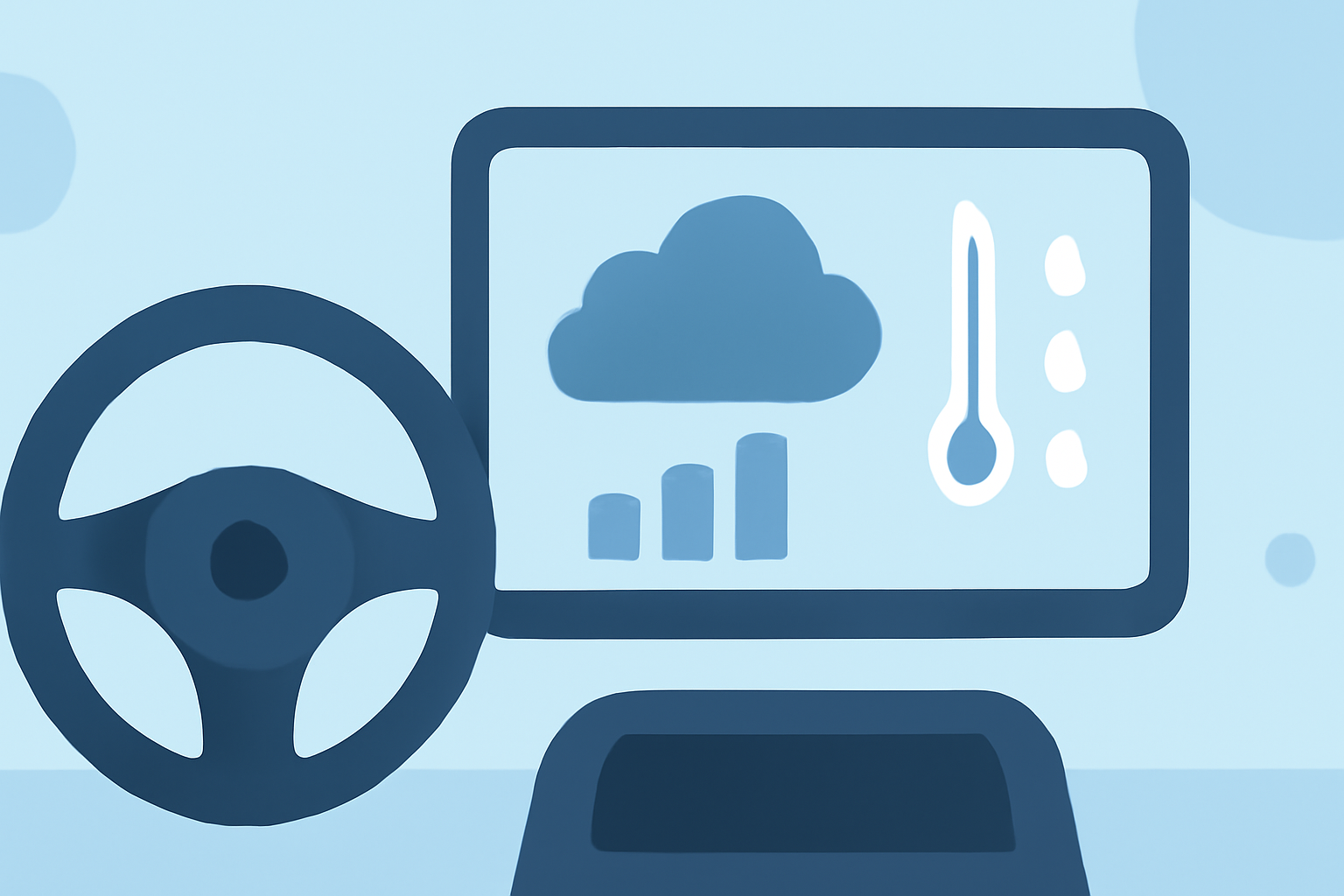
Recording rainfall data during your drives can be both informative and beneficial. Here's how you can get started:
1. Utilize Weather Apps with Live Radar
Many weather applications offer live radar features that display real-time precipitation along your route. These apps can help you monitor rainfall intensity and location, allowing you to adjust your driving plans accordingly.
2. Install a Vehicle-Based Weather Station
Some advanced vehicles come equipped with built-in weather stations that measure rainfall directly. If your vehicle lacks this feature, aftermarket rain gauges can be installed to collect accurate data.
3. Record Data Manually
For a more hands-on approach, you can manually record rainfall data during your drives. Note the time, location, and intensity of rainfall to create a personal log. This method can be particularly useful for personal analysis or contributing to local weather data collection efforts.
4. Share Your Data
Contributing your collected data to local weather stations or online platforms can enhance community weather monitoring. Many organizations welcome citizen science contributions to improve weather forecasts and studies.
Safety Considerations
While recording rainfall data, always prioritize safety:
-
Stay Focused: Ensure that data collection does not distract you from driving.
-
Use Hands-Free Devices: If using a smartphone or other device, employ hands-free options to maintain full control of the vehicle.
-
Avoid Hazardous Conditions: If rainfall leads to poor visibility or hazardous road conditions, consider postponing data collection until conditions improve.
By integrating these practices, you can effectively track and record rainfall during your drives, contributing valuable data to weather monitoring efforts while enhancing your driving experience.