
A Gardener's Guide to Recording Soil Temperatures
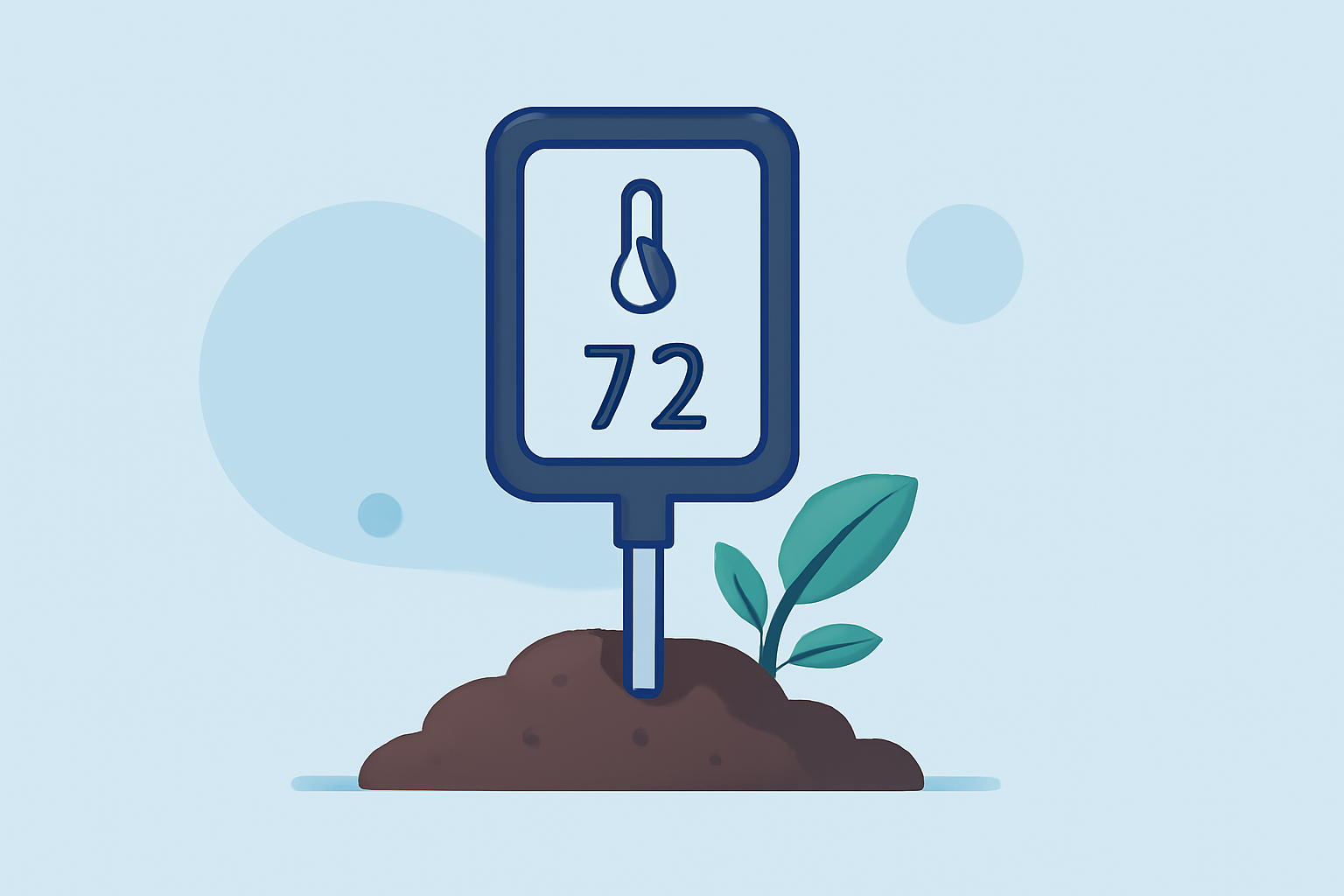
Monitoring soil temperature is essential for gardeners aiming to optimize planting and growth conditions. Soil temperature influences seed germination, root development, and overall plant health. By accurately recording soil temperatures, you can make informed decisions about planting times and care routines.
Why Is Soil Temperature Important?
Soil temperature affects various plant processes:
- Seed Germination: Most seeds have optimal temperature ranges for sprouting.
- Root Development: Roots grow best within specific temperature ranges.
- Plant Growth: Extreme temperatures can stress plants, leading to reduced yields or even plant death.
How to Measure Soil Temperature
-
Select the Right Thermometer: Use a soil thermometer designed for ground use. Ensure it has a probe long enough to reach the desired soil depth. Digital thermometers often provide quicker readings and are easier to read. (iere.org)
-
Choose the Appropriate Depth: Measure at the depth where seeds will be planted or where roots are active. For most seeds, this is 1-2 inches deep. For established plants, measure at the root zone, typically 3-6 inches deep. (livetoplant.com)
-
Insert the Thermometer: Place the probe into the soil at the chosen depth. Avoid touching the sides of the hole to ensure an accurate reading. Allow the thermometer to stabilize for a few minutes. (iere.org)
-
Record the Temperature: Note the temperature and the time of day. Soil temperatures can fluctuate, so consistent recording helps identify trends.
Best Practices for Accurate Measurements
-
Consistent Timing: Take readings at the same time each day, preferably in the morning before the sun warms the soil surface. (gardening.org)
-
Multiple Locations: Measure in different areas of your garden to account for microclimates.
-
Avoid Direct Sunlight: Ensure the thermometer is not exposed to direct sunlight, which can heat the device and skew readings. (livetoplant.com)
Recording and Utilizing Temperature Data
Maintaining a garden journal is invaluable for tracking soil temperatures and other environmental factors. Record the date, time, location, and temperature for each measurement. Over time, this data can help you identify optimal planting windows and anticipate potential issues. (ambitiousharvest.com)
Conclusion
Regularly measuring and recording soil temperatures empowers gardeners to make informed decisions, leading to healthier plants and more productive gardens. By following these steps and best practices, you can ensure your garden thrives throughout the growing season.
Highlights:
- What Is Soil Temperature: Learn About The Ideal Soil Temperatures For Planting | Gardening Know How, Published on Monday, July 05
- Regenerative, Published on Monday, April 27