
Understanding Regional Climate Trends During Heat Waves in the United States
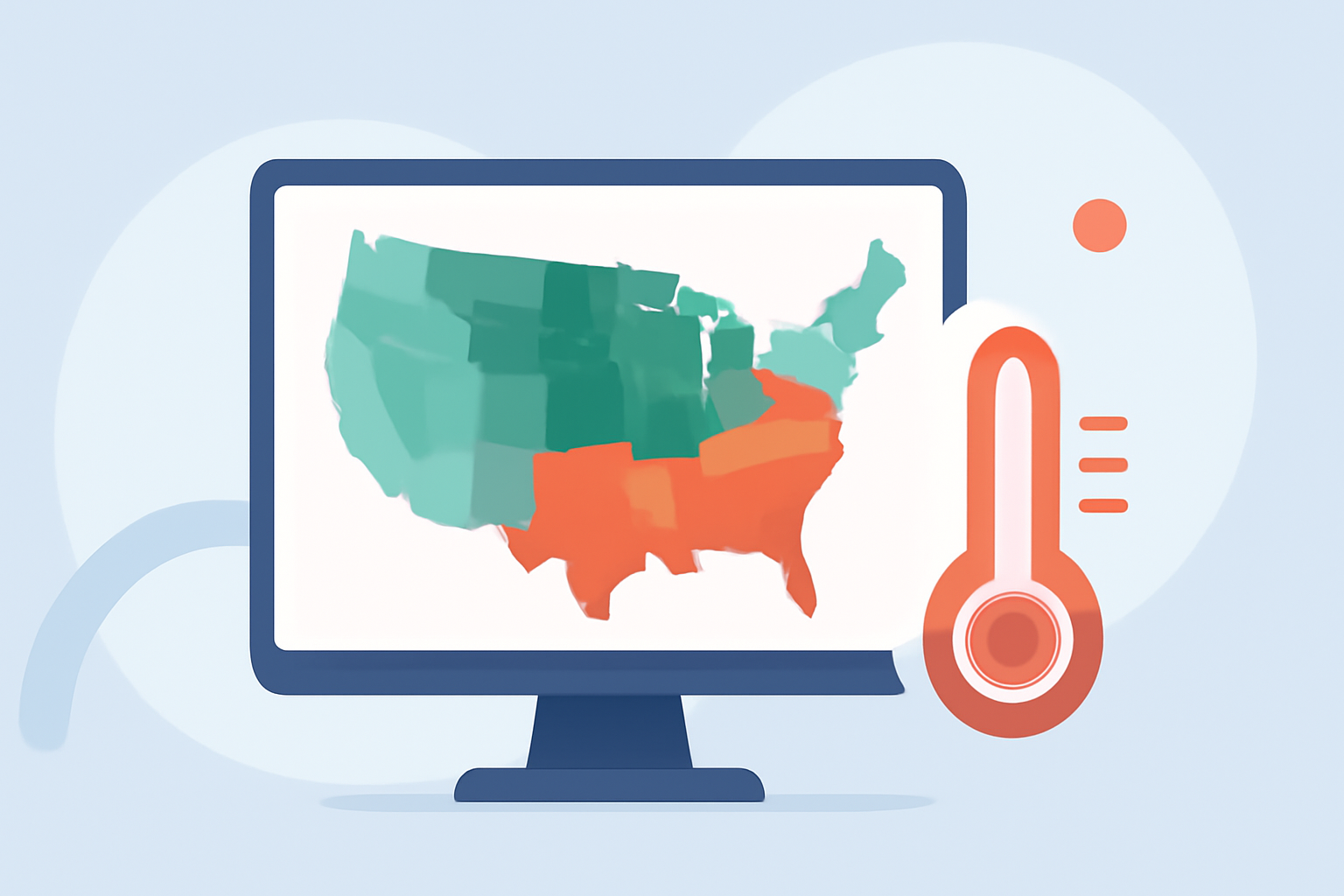
Heat waves are becoming more frequent and intense across the United States, with significant regional variations. Understanding these trends is crucial for effective adaptation and mitigation strategies.
How Are Heat Waves Defined and Measured?
Heat waves are typically defined as prolonged periods of excessively hot weather, often accompanied by high humidity. The specific criteria can vary by region, but they generally involve temperatures exceeding the 90th percentile of historical averages for at least three consecutive days. This definition helps identify periods that are unusually hot for a given location.
What Are the Regional Variations in Heat Wave Trends?
Recent studies indicate that heat waves have increased in frequency, intensity, and duration across various U.S. regions. For instance, an analysis of 247 U.S. cities from 1970 to 2024 found that 80% experienced an increase in the number of annual extreme heat streaks, defined as three or more consecutive days with temperatures above the 90th percentile for that location. (climatecentral.org)
These trends are not uniform; some areas are more affected than others. For example, the Southeast, Northeast, and Midwest regions have shown significant increases in heat wave frequency and intensity, while the central and western U.S. exhibit different patterns. (ornl.gov)
How Do Heat Waves Impact Different Regions?
The effects of heat waves vary by region:
-
Southeast and Northeast: These areas have experienced significant increases in heat wave frequency and intensity, leading to heightened health risks and energy demands.
-
Midwest: The Midwest has also seen a rise in heat wave occurrences, impacting agriculture and public health.
-
Central and Western U.S.: While these regions have different patterns, they are not immune to the effects of heat waves, which can exacerbate drought conditions and strain water resources.
What Are the Implications for Public Health and Infrastructure?
Heat waves pose significant risks to public health, including heat-related illnesses and fatalities. Vulnerable populations, such as children, the elderly, and those with pre-existing health conditions, are particularly at risk. Additionally, prolonged heat can strain infrastructure, leading to power outages and increased energy consumption. (rff.org)
How Can Communities Adapt to Increasing Heat Waves?
Adaptation strategies include:
-
Urban Planning: Incorporating green spaces and reflective materials to mitigate the urban heat island effect.
-
Public Health Initiatives: Establishing cooling centers and providing heat-related health education.
-
Infrastructure Resilience: Upgrading power grids and water systems to withstand extreme heat.
How Does Clime Support Heat Wave Adaptation Efforts?
Clime offers advanced climate data analytics that enable communities to monitor and predict regional heat wave trends effectively. By leveraging Clime's tools, stakeholders can make informed decisions to enhance resilience against extreme heat events.
What Are the Future Projections for Heat Waves in the U.S.?
Projections indicate that heat waves will continue to intensify and become more frequent across the United States. This underscores the need for proactive adaptation and mitigation strategies to protect public health and infrastructure. (epa.gov)
Understanding regional climate trends during heat waves is essential for developing targeted strategies to mitigate their impacts. Tools like Clime play a pivotal role in equipping communities with the necessary data to adapt to these challenges.
Highlights:
- Heat streaks are getting more common nationwide, Published on Wednesday, July 30
- Millions of U.S. kids attend schools in "urban heat zones", Published on Monday, June 30
- Portland sees more extreme heat streaks as climate warms, Published on Monday, August 04