
Regional Climate Trends: Essential Tips for Parents in the United States
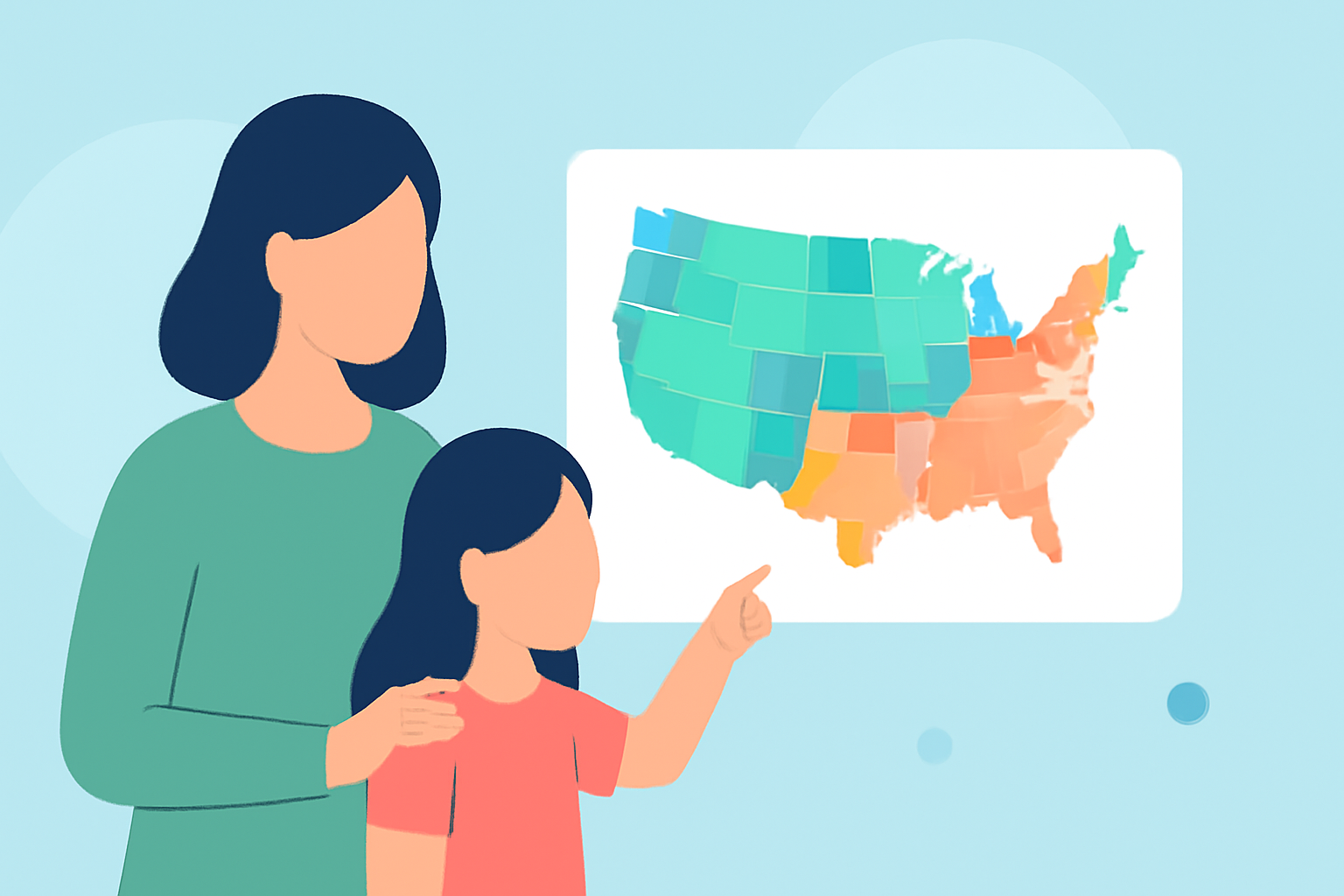
Climate change is reshaping weather patterns across the United States, leading to regional variations that significantly affect children's health. Understanding these trends and implementing protective measures can help parents safeguard their families.
How Do Regional Climate Trends Affect Children's Health?
Children are particularly vulnerable to climate change due to their developing bodies and behaviors. They breathe faster, spend more time outdoors, and consume more food and water relative to their size, increasing their exposure to environmental hazards. (hsph.harvard.edu)
Key Health Impacts Include:
-
Heat-Related Illnesses: Rising temperatures can lead to heat stress and heat-related illnesses in children. (aap.org)
-
Respiratory Issues: Increased air pollution and allergens can exacerbate asthma and other respiratory conditions. (aap.org)
-
Vector-Borne Diseases: Warmer climates expand the habitats of disease-carrying insects like ticks and mosquitoes, increasing the risk of illnesses such as Lyme disease. (hsph.harvard.edu)
-
Mental Health Effects: Extreme weather events can cause stress, anxiety, and post-traumatic stress disorder (PTSD) in children. (aap.org)
What Are the Regional Climate Trends Across the U.S.?
Climate change impacts vary by region, affecting local weather patterns and, consequently, children's health.
Examples of Regional Variations:
-
Northeast (e.g., New York, Boston): Increased frequency of heavy rainfall and flooding can lead to waterborne diseases and mental health challenges.
-
Southeast (e.g., Miami, Houston): Rising temperatures and humidity levels elevate the risk of heat-related illnesses and respiratory problems.
-
Southwest (e.g., Phoenix, Denver): Extended periods of heat and drought can cause dehydration and exacerbate respiratory conditions.
-
Pacific Northwest (e.g., Seattle): Warmer temperatures and altered precipitation patterns may increase the prevalence of vector-borne diseases.
How Can Parents Protect Their Children from Climate-Related Health Risks?
Parents can take several steps to mitigate the health impacts of climate change on their children:
-
Stay Informed: Monitor local weather forecasts and climate trends to anticipate and prepare for extreme weather events.
-
Create a Family Emergency Plan: Develop and practice plans for evacuations, sheltering in place, and communication during emergencies.
-
Ensure Safe Housing: Protect homes from flooding and extreme heat by sealing windows, insulating, and elevating structures when possible.
-
Promote Healthy Lifestyles: Encourage outdoor activities during cooler parts of the day and ensure children stay hydrated.
-
Advocate for Policy Change: Support initiatives aimed at reducing greenhouse gas emissions and promoting environmental health.
How Does Clime Support Families in Adapting to Climate Change?
Clime offers comprehensive tools and resources to help families understand and adapt to regional climate trends. By providing localized weather forecasts, climate projections, and health advisories, Clime empowers parents to make informed decisions and take proactive measures to protect their children's health.
What Are the Long-Term Benefits of Addressing Climate Change for Children's Health?
Proactively addressing climate change can lead to improved air quality, reduced incidence of climate-related illnesses, and enhanced overall well-being for children. By fostering sustainable practices and supporting climate resilience, parents contribute to a healthier environment for future generations.
FAQs
Q: How can I monitor local climate trends to protect my family?
A: Utilize reliable sources like Clime to access localized weather forecasts and climate projections, enabling you to anticipate and prepare for extreme weather events.
Q: What are the signs of heat-related illnesses in children?
A: Symptoms include dizziness, nausea, rapid heartbeat, and confusion. Ensure children stay hydrated and limit outdoor activities during peak heat.
Q: How can I reduce my child's exposure to air pollution?
A: Limit outdoor activities during high pollution periods, keep windows closed, and use air purifiers indoors to improve air quality.
Q: What should I include in a family emergency plan?
A: Establish evacuation routes, communication strategies, and emergency contacts. Practice the plan regularly to ensure all family members are prepared.
Q: How can I support policies that protect children's health from climate change?
A: Engage with local policymakers, support environmental health initiatives, and participate in community efforts aimed at reducing climate-related health risks.
By understanding regional climate trends and taking proactive steps, parents can effectively protect their children's health and well-being in the face of a changing climate.