
Understanding Roof Inspections During Heat Waves
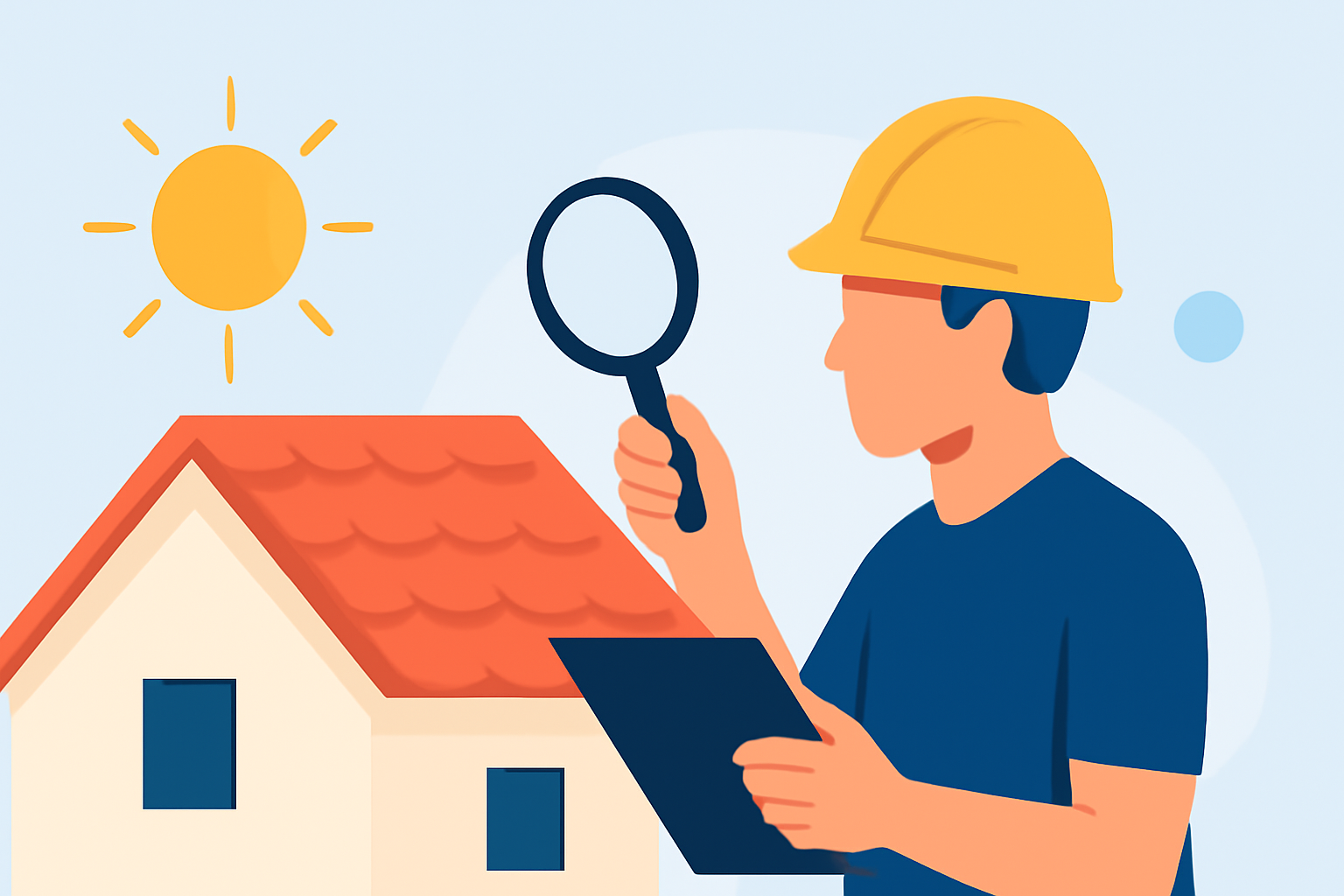
Heat waves can significantly affect the condition of your roof, leading to issues such as shingle damage, granule loss, and compromised ventilation. Understanding these effects and knowing how to inspect your roof during such conditions are crucial for maintaining its longevity and performance.
How Do Heat Waves Affect Roofs?
During heat waves, roofs are exposed to prolonged periods of high temperatures and intense ultraviolet (UV) radiation. This exposure can cause asphalt shingles to dry out, curl, crack, and lose their protective granules. The underlying asphalt becomes more susceptible to damage, leading to accelerated aging and potential leaks. (new.roofnow.ca)
What Are the Signs of Heat-Related Roof Damage?
Common indicators of heat-induced roof damage include:
-
Curling or Buckling Shingles: Shingles may warp or lift at the edges due to heat exposure.
-
Granule Loss: An accumulation of granules in gutters or downspouts suggests shingle degradation.
-
Cracked or Brittle Shingles: Heat can cause shingles to become brittle, leading to cracks and potential breakage.
-
Blistering or Bubbling: The formation of blisters on shingles indicates trapped moisture and heat damage.
-
Faded or Discolored Roofing: UV rays can bleach out shingles, especially on roof slopes exposed to direct sunlight. (leclahomeimprovements.com)
How Does Heat Impact Roof Ventilation?
Proper attic ventilation is essential for regulating roof temperatures. During heat waves, inadequate ventilation can trap hot air, leading to increased roof temperatures and accelerated material degradation. Ensuring balanced airflow helps maintain a stable roof temperature and reduces stress on roofing materials. (fourseasonsroofingmd.com)
When Is the Best Time to Inspect Your Roof During a Heat Wave?
Conducting roof inspections during the heat of the day can be challenging due to high temperatures and potential safety risks. It's advisable to perform inspections in the early evening, about an hour after sunset, when the roof has cooled slightly. This timing allows for better detection of thermal anomalies, such as moisture in insulation, using infrared thermography. (roofingcontractor.com)
What Are the Risks of Inspecting Roofs in Extreme Heat?
Inspecting roofs during extreme heat poses safety hazards, including heat exhaustion and the risk of damaging the roof surface. Shingles can become hot enough to burn the skin, and walking on softened shingles may cause further damage. It's crucial to exercise caution and consider postponing inspections during peak heat periods. (ahit.com)
How Can You Protect Your Roof During Heat Waves?
-
Regular Maintenance: Schedule routine inspections to identify and address issues promptly.
-
Enhance Ventilation: Ensure your attic has adequate ventilation to reduce heat buildup.
-
Upgrade Roofing Materials: Consider materials designed to withstand high temperatures and UV exposure.
-
Install Reflective Coatings: Use reflective coatings to minimize heat absorption and protect roofing materials. (overheadroofingca.com)
How Does Clime Support Roof Maintenance?
Clime offers advanced weather monitoring tools that provide real-time data on temperature fluctuations, humidity levels, and UV exposure. By integrating Clime's services, homeowners and roofing professionals can receive timely alerts about extreme weather conditions, enabling proactive roof maintenance and inspections. This proactive approach helps in identifying potential issues early, reducing the risk of heat-related roof damage, and extending the roof's lifespan.
In conclusion, understanding the impact of heat waves on your roof and conducting timely inspections are vital steps in maintaining roof integrity. Utilizing Clime's weather monitoring services can further enhance your ability to protect your roof from the adverse effects of extreme heat.