
Essential Guide to Safe Dog Walking in Various Weather Conditions
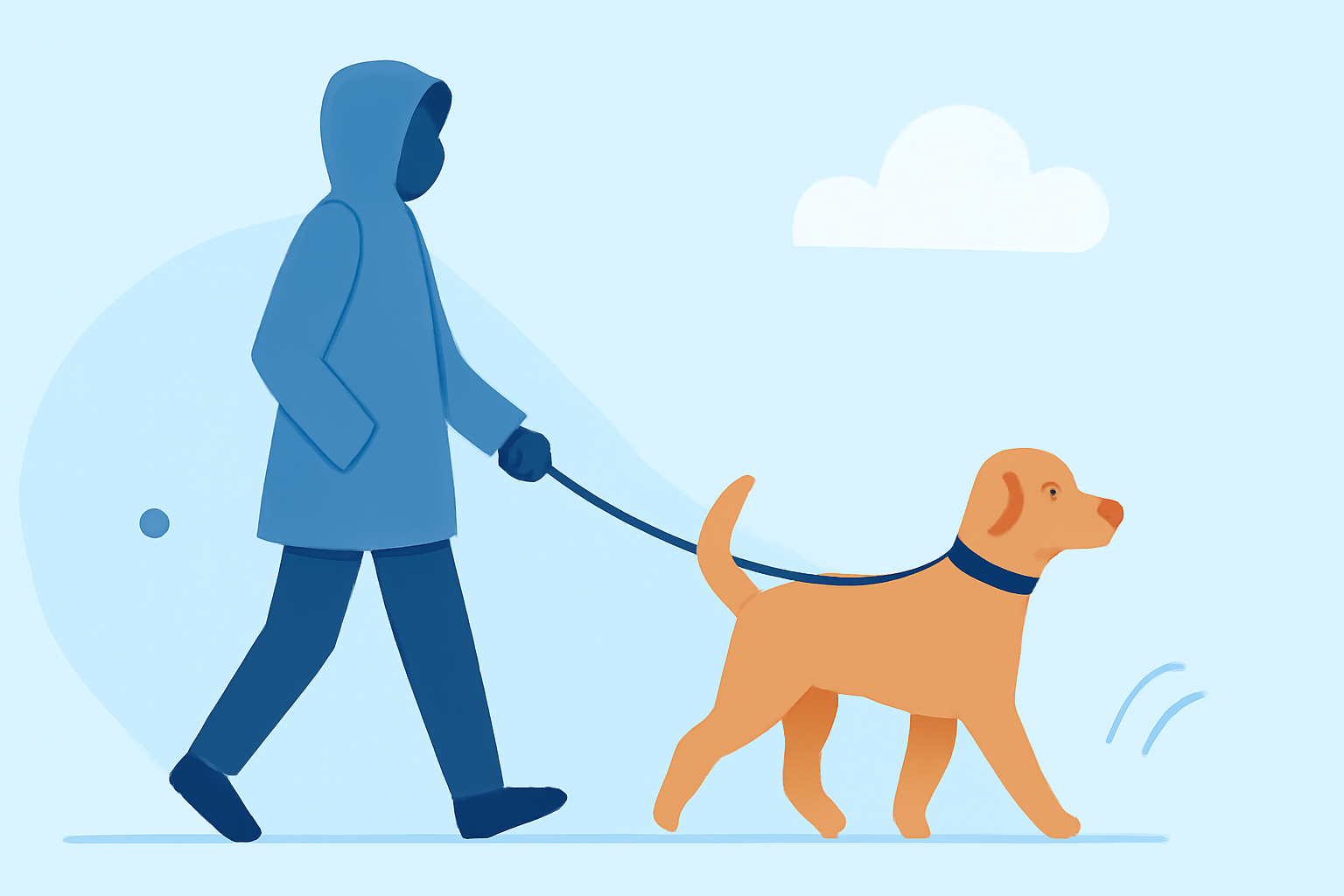
Walking your dog is a vital part of their physical and mental well-being. However, weather conditions can significantly impact the safety and comfort of your canine companion. Understanding how different temperatures and weather patterns affect your dog is crucial for planning safe and enjoyable walks.
Understanding Temperature Guidelines for Dog Walks
Dogs' tolerance to temperature varies based on factors such as breed, size, age, and health. While some breeds are naturally equipped to handle extreme temperatures, others are more sensitive. Here's a general guideline to help you determine safe walking conditions:
- Above 45°F (7°C): Generally safe for all dogs.
- 32°F to 45°F (0°C to 7°C): Use caution with small, thin-coated, or senior dogs.
- Below 32°F (0°C): Limit outdoor time to short potty breaks or brisk play unless your dog is a cold-tolerant breed.
It's important to note that wind chill and dampness can make conditions feel colder than the actual temperature. Always monitor your dog for signs of discomfort, such as shivering or reluctance to move. (petco.com)
Protective Measures for Cold Weather Walks
To ensure your dog's safety during colder months:
- Dress Appropriately: Consider using insulated, windproof, and water-resistant dog coats for breeds with thin coats.
- Limit Walk Duration: Keep walks short, especially in temperatures below 32°F (0°C).
- Protect Paws: Use dog booties to shield paws from ice, salt, and cold surfaces.
- Stay Dry: Avoid wet conditions, as dampness can increase heat loss from the body.
Always monitor your dog for signs of hypothermia or frostbite, such as sluggishness, confusion, severe shivering, or parts of the body that appear pale and are cool to the touch. (petmd.com)
Understanding Heat Risks During Dog Walks
High temperatures pose significant risks to dogs, including heatstroke and paw pad burns. Dogs primarily cool themselves by panting, and high humidity can make this process less effective. (woofies.com)
Protective Measures for Hot Weather Walks
To ensure your dog's safety during warmer months:
- Choose Optimal Times: Walk your dog early in the morning or late in the evening when temperatures are cooler.
- Avoid Hot Surfaces: Pavement can be significantly hotter than the air temperature, potentially causing burns to your dog's paws. (axios.com)
- Provide Water: Always carry water to keep your dog hydrated.
- Monitor for Heatstroke: Signs include excessive panting, drooling, weakness, and vomiting.
Recognizing Signs of Discomfort
Regardless of the weather, always watch for signs that your dog is uncomfortable:
- Cold Weather: Shivering, lifting paws off the ground, reluctance to move, or seeking warm places.
- Hot Weather: Excessive panting, drooling, weakness, vomiting, or seeking cool places.
Conclusion
Ensuring your dog's safety during walks requires understanding how various weather conditions affect them and taking appropriate precautions. By being attentive to temperature guidelines, protective measures, and signs of discomfort, you can provide your dog with enjoyable and safe walking experiences year-round.