
Safe Outdoor Walking During Severe Weather: Essential Guidelines
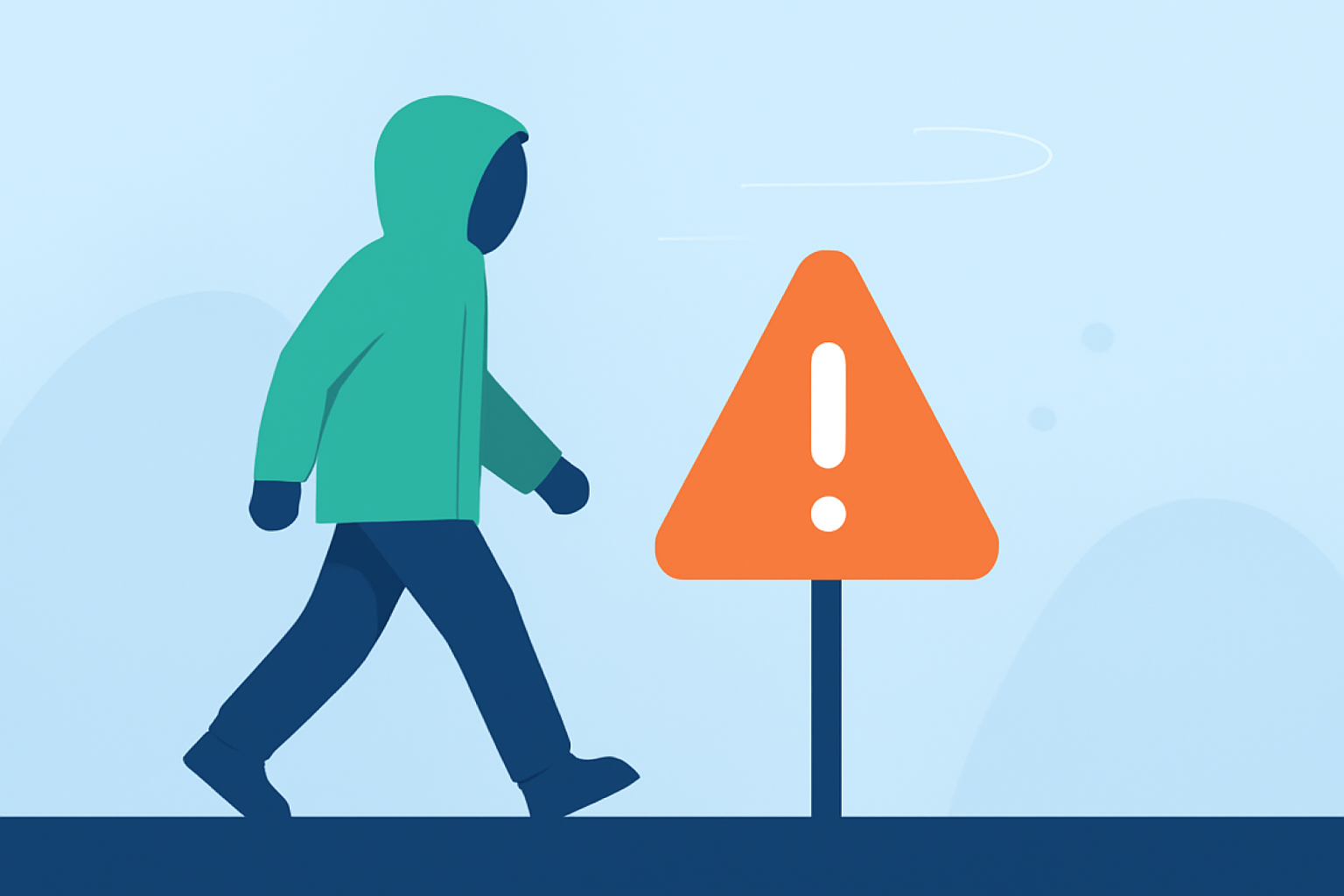
Engaging in outdoor walking during severe weather conditions requires careful planning and adherence to safety protocols. Understanding the risks associated with various weather scenarios and implementing appropriate measures can ensure a safer experience.
Understanding Severe Weather Risks
Severe weather encompasses conditions such as thunderstorms, heavy rain, snowstorms, extreme heat, and high winds. Each presents unique challenges:
-
Thunderstorms and Lightning: Lightning poses a significant risk during thunderstorms. It's crucial to seek shelter immediately upon hearing thunder, as lightning can strike even when the storm is distant. (emergencymanagement.universitysafety.uconn.edu)
-
Heavy Rain and Flooding: Rain can lead to slippery surfaces and reduced visibility. Flooded areas are particularly hazardous; it's essential to avoid walking through standing water, as it may conceal dangerous obstacles or swift currents. (eou.edu)
-
Snow and Ice: Cold temperatures combined with snow and ice increase the risk of slips and falls. Dressing in layers and wearing appropriate footwear with good traction can mitigate some of these hazards. (weather.gov)
-
Extreme Heat: High temperatures can lead to heat-related illnesses. It's advisable to limit outdoor activities during peak heat and stay hydrated. (enviroliteracy.org)
Safety Measures for Outdoor Walking
To ensure safety during severe weather, consider the following guidelines:
-
Monitor Weather Conditions: Regularly check local weather forecasts before heading out. If severe weather is predicted, it's best to postpone your walk. (army.mil)
-
Dress Appropriately: Wear clothing suitable for the weather. In cold conditions, layer up with moisture-wicking fabrics, and in hot weather, opt for lightweight, breathable materials. (healtheuniversity.ca)
-
Choose Safe Routes: Select walking paths that are well-maintained and free from potential hazards like flooding or ice. Avoid areas prone to flooding or those with poor drainage. (eou.edu)
-
Stay Hydrated and Energized: Carry water and, if necessary, energy-boosting snacks. This is especially important in hot weather to prevent dehydration. (enviroliteracy.org)
-
Inform Someone of Your Plans: Let a friend or family member know your intended route and expected return time. This ensures someone is aware of your whereabouts in case of emergencies. (army.mil)
Utilizing Clime for Enhanced Safety
Clime offers real-time weather updates and personalized alerts, allowing you to plan your walks during favorable conditions. By integrating Clime into your routine, you can receive timely notifications about severe weather, ensuring you make informed decisions about your outdoor activities.
Conclusion
While outdoor walking during severe weather presents challenges, adhering to safety guidelines and utilizing tools like Clime can enhance your experience. Always prioritize safety by staying informed and prepared.
Highlights:
- Be weather aware, have a safety plan for outdoor recreation | Article | The United States Army, Published on Thursday, May 05
- Weather Safety | Safety and Security
- How to be prepared outdoors when severe weather happens, Published on Monday, March 06