
A Step-by-Step Guide to Planning Safe Pet Walks in Any Weather
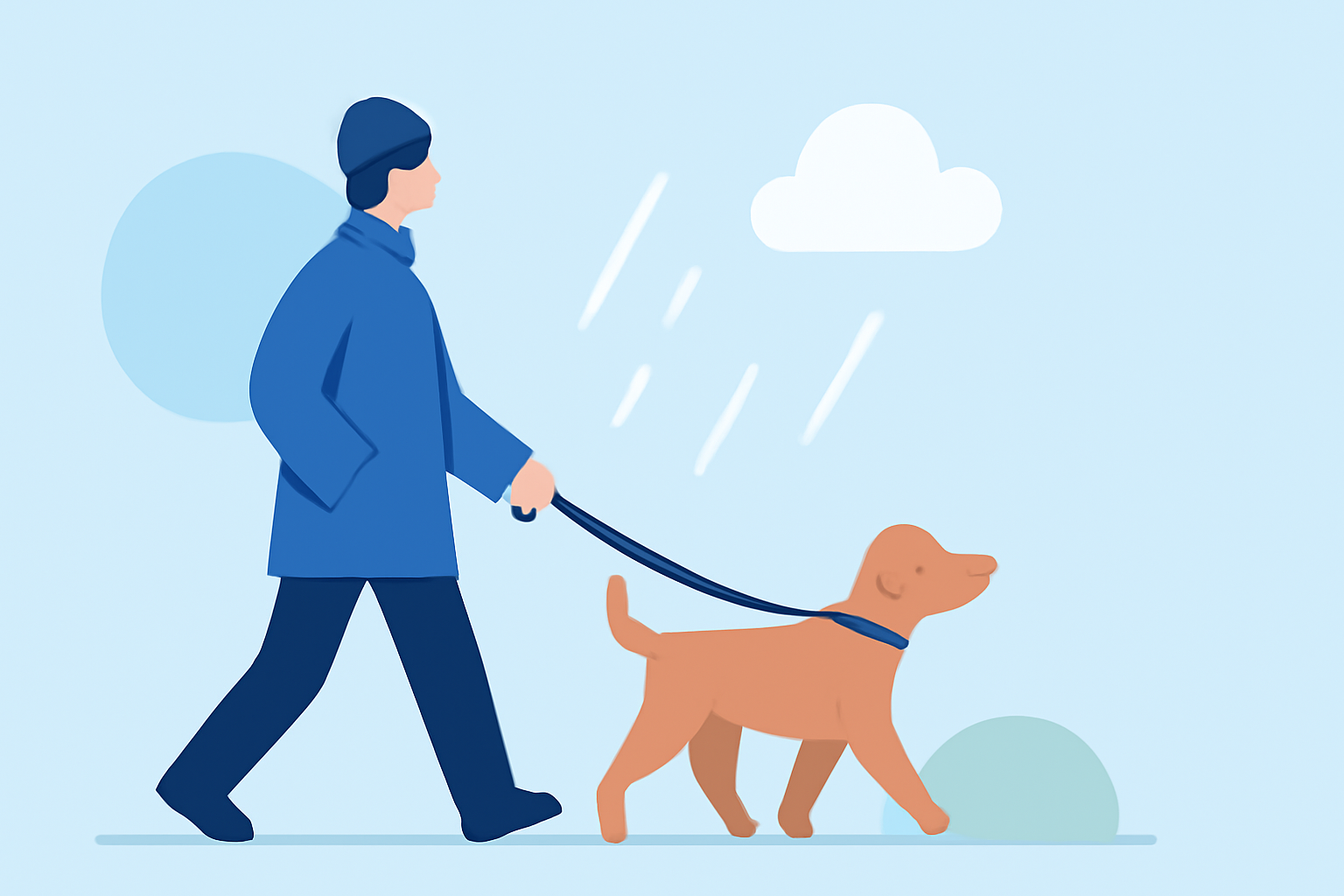
Ensuring your pet's safety and comfort during walks requires careful planning, especially when weather conditions vary. Here's a step-by-step guide to help you prepare for walks in any weather.
1. Assess the Current Weather Conditions
Begin by checking the current weather in your area. Consider factors such as temperature, humidity, wind speed, and precipitation. For instance, if it's raining heavily or extremely hot, it might be best to postpone the walk or opt for a shorter duration.
2. Determine the Best Time for the Walk
Timing your walk during the most favorable weather conditions can enhance both your and your pet's experience. Generally, the warmest part of the day is around mid-afternoon. However, this can vary based on local climate patterns. For example, in Los Angeles, the warmest part of the day is typically around 3 p.m. (chewy.com)
3. Plan the Route Carefully
Choose a walking route that is safe and comfortable for your pet. Avoid areas prone to flooding, heavy traffic, or other hazards. In wet conditions, steer clear of underpasses and dips where water can accumulate. (finchleydogwalker.co.uk)
4. Dress Appropriately
Ensure both you and your pet are dressed for the weather. In cold conditions, consider using insulated, water-resistant jackets for your pet and thermal clothing for yourself. In hot weather, lightweight, breathable fabrics are advisable. For example, in Houston, where temperatures can soar, lightweight clothing is recommended.
5. Protect Your Pet's Paws
Paw protection is crucial, especially in extreme weather. In winter, use dog booties or apply paw balm to shield against ice and salt. In summer, be cautious of hot pavement that can burn paws. Always check the ground temperature before heading out. (petworks.com)
6. Adjust Walk Duration and Intensity
Modify the length and intensity of the walk based on weather conditions. In extreme heat, opt for shorter, more frequent walks to prevent overheating. In cold weather, limit walks to 15 minutes if temperatures are below freezing. (rover.com)
7. Stay Hydrated
Always carry water for both you and your pet, especially during warmer months. Dehydration can occur quickly, so ensure regular water breaks throughout the walk.
8. Monitor Your Pet's Behavior
Pay close attention to signs of discomfort or distress in your pet. If your pet is shivering, lifting paws, or showing reluctance to continue, it's time to head home. In hot weather, watch for signs of overheating, such as excessive panting or drooling.
9. Post-Walk Care
After the walk, dry your pet thoroughly, especially their paws, to remove any moisture or debris. Check for signs of irritation or injury. Provide a warm, comfortable space for your pet to rest and recover.
By following these steps, you can ensure that your pet enjoys safe and comfortable walks, regardless of the weather conditions.