
Safeguarding Your Health: Navigating PM2.5 Levels During Workouts
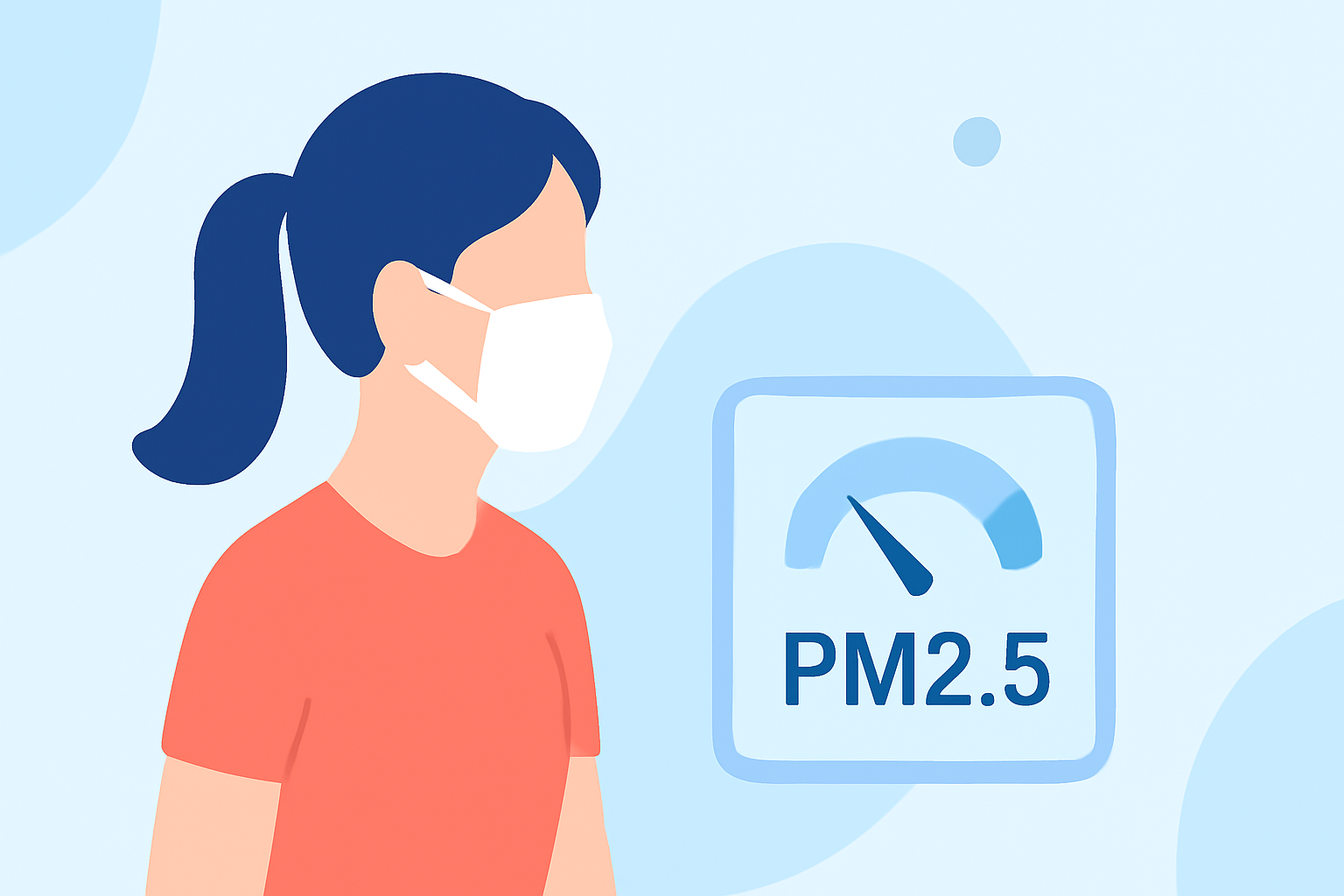
When engaging in physical activity, it's crucial to be aware of the air quality, particularly the concentration of fine particulate matter known as PM2.5. These microscopic particles, less than 2.5 micrometers in diameter, can penetrate deep into the lungs and bloodstream, posing significant health risks.
Understanding PM2.5 and Its Impact on Health
PM2.5 originates from various sources, including vehicle emissions, industrial processes, and natural events like wildfires. Exposure to elevated levels of PM2.5 has been linked to respiratory issues, cardiovascular diseases, and other health complications. During exercise, the intake of these particles increases due to higher breathing rates, potentially exacerbating health risks.
Assessing PM2.5 Levels in Your Area
Before heading out for a workout, it's advisable to check the current air quality index (AQI) for your location. Many environmental agencies and weather services provide real-time AQI updates, which can help you make informed decisions about outdoor activities.
Optimal Times and Locations for Exercising
Air quality can vary throughout the day and across different locations. Studies have shown that exercising during non-peak hours, such as early mornings or late evenings, often results in lower exposure to PM2.5. Additionally, choosing exercise venues away from major roads can significantly reduce exposure, as areas near heavy traffic tend to have higher concentrations of pollutants. (sciencedirect.com)
Mitigating PM2.5 Exposure During Workouts
- Monitor Air Quality: Regularly check AQI levels before planning outdoor exercises.
- Choose Optimal Times: Opt for early morning or late evening workouts to avoid peak pollution periods.
- Select Cleaner Locations: Exercise in parks or green spaces away from traffic to benefit from lower PM2.5 levels.
- Adjust Intensity: On days with higher pollution, consider reducing the intensity or duration of your workout to minimize inhalation of pollutants.
Leveraging Technology for Air Quality Monitoring
Utilizing wearable biosensors can provide real-time data on air quality and personal exposure levels during exercise. These devices can help you assess the impact of environmental factors on your health and adjust your activities accordingly. (sciencedirect.com)
Conclusion
Being proactive about air quality is essential for maintaining health during physical activities. By staying informed and making strategic choices about when and where to exercise, you can significantly reduce the risks associated with PM2.5 exposure.
Highlights:
- The “green exercise” paradox: Quantifying the estimated breakpoint of acute physiological perturbation from ambient PM2.5 in urban runners using wearable biosensors - ScienceDirect, Published on Sunday, June 14
- Personal dose during cardiovascular exercise: Links between PM2.5/PM10 concentration levels, activity intensity and health risk - ScienceDirect, Published on Saturday, February 28
- When and where to exercise: An assessment of personal exposure to urban tropical ambient airborne pollutants in Singapore - ScienceDirect, Published on Sunday, December 31