
Understanding Seasonal Turbulence Patterns for Vacation Planning
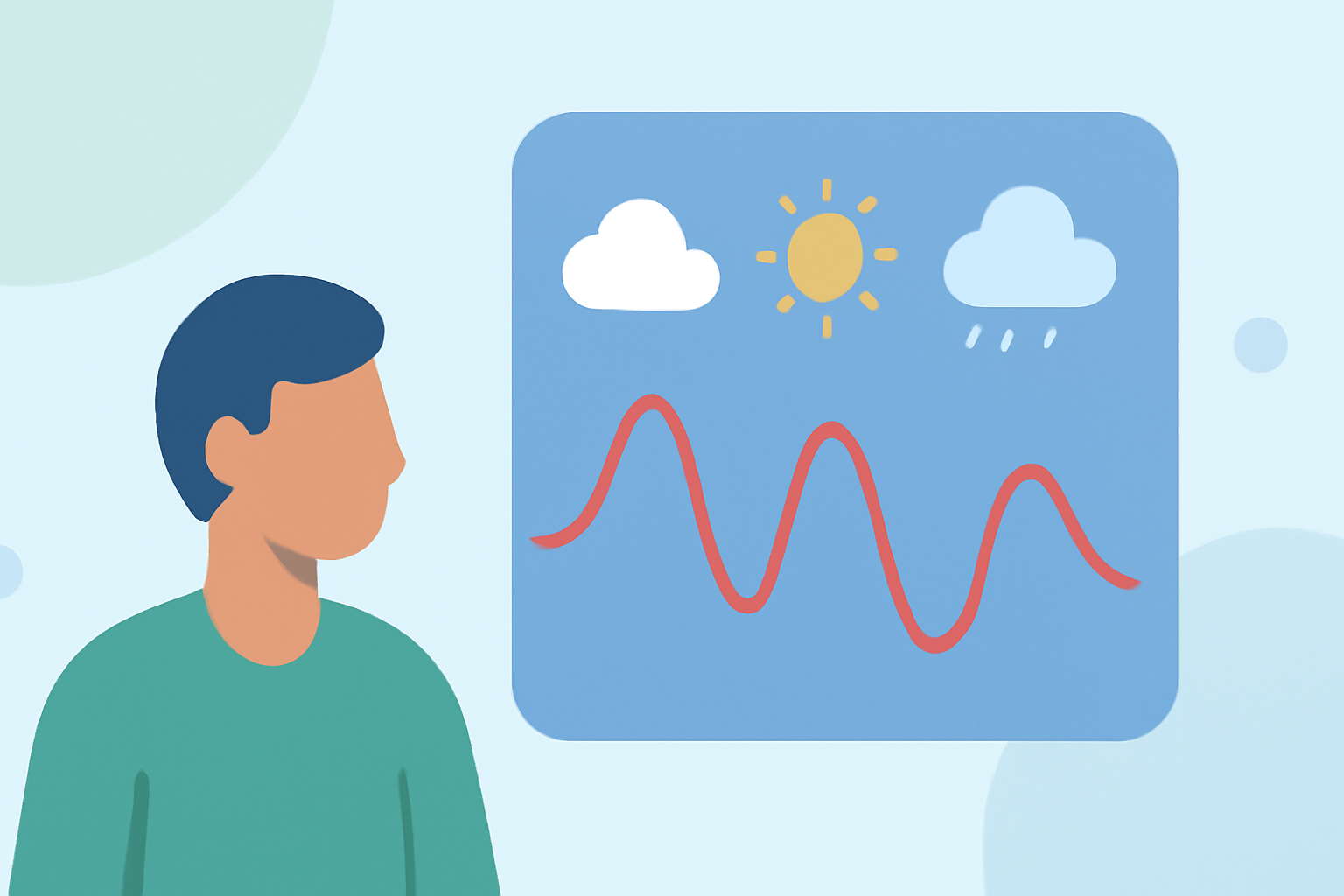
Planning a vacation involves many considerations, and one often-overlooked factor is the impact of seasonal turbulence on flight comfort. Understanding how turbulence patterns change throughout the year can help you choose the best times to fly for a smoother journey.
What Causes Flight Turbulence?
Flight turbulence primarily results from two atmospheric phenomena:
-
Jet-Stream Clear Air Turbulence (CAT): This occurs when fast-moving air currents in the upper atmosphere interact with slower-moving air masses, creating sudden and unpredictable bumps.
-
Convective Turbulence: Associated with thunderstorms and other weather systems, this type of turbulence is caused by vertical air movements within storm clouds.
How Do Turbulence Patterns Vary Seasonally?
Turbulence patterns are influenced by seasonal changes in atmospheric conditions:
-
Winter (December–February): The jet stream is strongest and positioned farther south, leading to increased CAT, especially over the North Atlantic and North Pacific regions. (turbcast.com)
-
Spring (March–May): The jet stream remains active but begins to weaken. Convective turbulence starts to increase, particularly in regions like the Great Plains and Southeast, as thunderstorms become more frequent. (inflightscore.com)
-
Summer (June–August): The jet stream retreats northward and weakens further. Convective turbulence peaks due to the prevalence of thunderstorms, especially in the Gulf Coast and Southeast areas. (inflightscore.com)
-
Fall (September–November): The jet stream strengthens again, leading to a resurgence of CAT. However, convective activity decreases, resulting in a mix of turbulence types. (inflightscore.com)
Which Flight Routes Are Most Affected?
Certain flight routes are more susceptible to turbulence due to geographical and seasonal factors:
-
Mountainous Regions: Flights over mountain ranges like the Rockies and Sierra Nevada often experience mountain wave turbulence, especially during winter months when strong westerly winds prevail. (inflightscore.com)
-
East Coast Corridors: Routes along the East Coast, such as Boston to Miami, can encounter significant CAT during winter due to the position of the jet stream. (inflightscore.com)
-
Transatlantic Flights: Flights crossing the North Atlantic are particularly bumpy in winter months when the jet stream is strongest and positioned over these routes. (turbulence-forecast.com)
How Can You Plan for Smoother Flights?
To minimize the impact of turbulence on your travel:
-
Choose Optimal Travel Times: Aim to fly during months when turbulence is typically lower. For instance, late spring and early fall often offer calmer conditions. (turbcast.com)
-
Select Flight Routes Wisely: Be aware of routes that are more prone to turbulence and consider alternatives if possible.
-
Stay Informed: Utilize tools and resources that provide real-time turbulence forecasts and historical data to make informed decisions. (turbulence-forecast.com)
How Can Planes Live Assist in Your Travel Planning?
Planes Live offers comprehensive tools to help you navigate seasonal turbulence patterns effectively. By providing detailed forecasts and historical data, Planes Live enables you to plan your flights during periods of expected calm, enhancing your overall travel experience.
Conclusion
Understanding seasonal turbulence patterns is crucial for planning a comfortable vacation. By considering the timing of your flights and utilizing resources like Planes Live, you can significantly reduce the likelihood of encountering disruptive turbulence during your journey.