
Essential Tips for Travelers to Stay Safe During Severe Weather Alerts
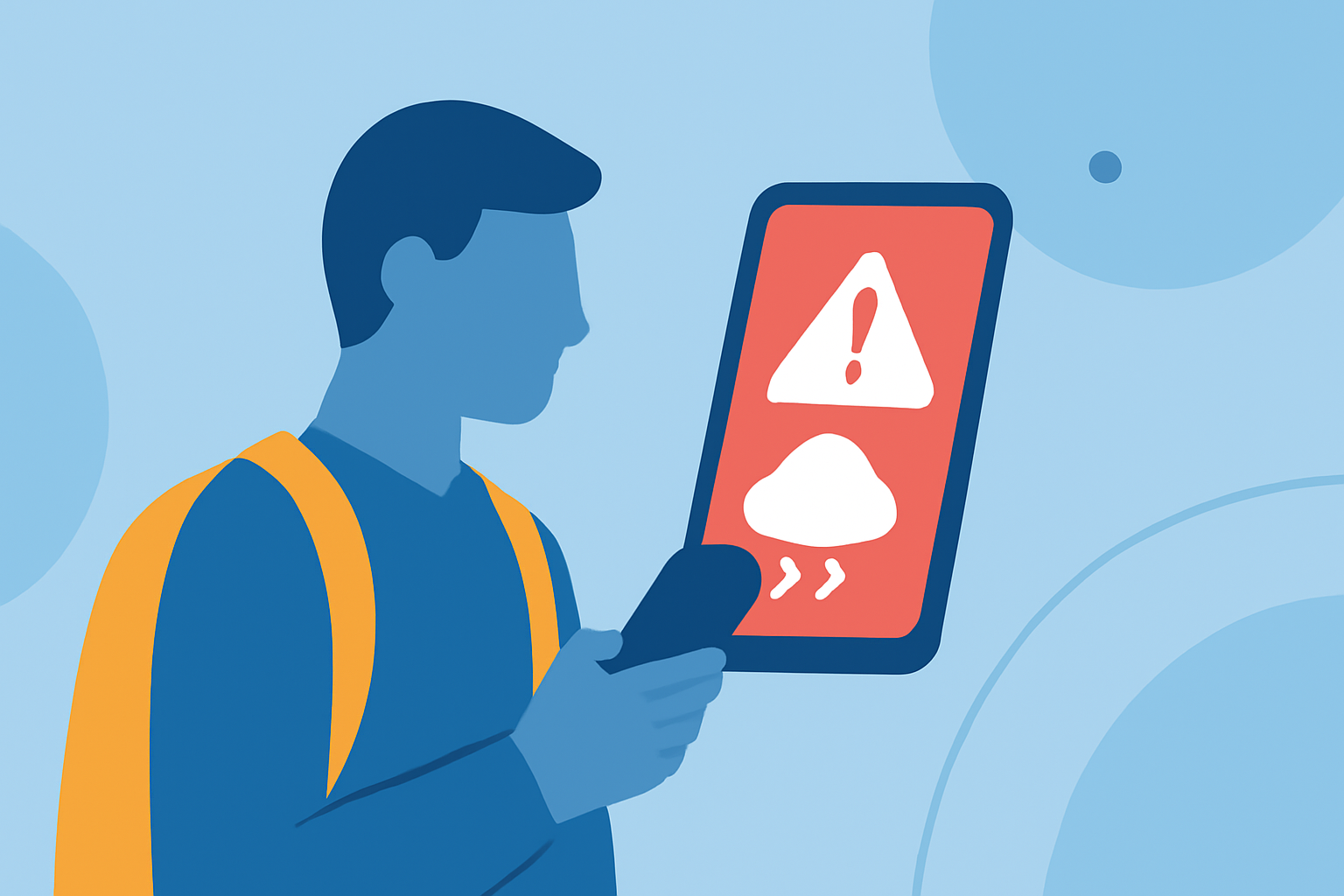
Traveling in the United States exposes you to diverse weather conditions, including severe events like thunderstorms, tornadoes, and hurricanes. Staying informed and prepared is crucial to ensure your safety. Here are essential tips to help you navigate severe weather alerts effectively.
1. What Are Severe Weather Alerts and Why Are They Important?
Severe weather alerts are notifications issued by authorities to inform the public about impending hazardous weather conditions. These alerts are categorized as:
- Watch: Conditions are favorable for severe weather to develop.
- Warning: Severe weather is imminent or occurring.
Understanding these alerts helps you take timely action to protect yourself and others.
2. How Can Travelers Stay Informed About Severe Weather?
Staying updated is vital. Here are effective ways to monitor weather conditions:
- Weather Apps: Utilize reliable weather applications on your smartphone for real-time updates.
- NOAA Weather Radio: A battery-powered radio that provides continuous broadcasts of official Weather Service information.
- Local News: Tune into local radio or television stations for the latest weather updates.
3. What Should Travelers Do When a Severe Weather Watch Is Issued?
When a watch is issued, conditions are favorable for severe weather. Travelers should:
- Stay Alert: Monitor weather updates regularly.
- Review Plans: Be prepared to adjust travel plans if necessary.
- Prepare Safety Kits: Ensure you have essential items like water, snacks, and a flashlight.
4. What Actions Are Necessary During a Severe Weather Warning?
A warning indicates that severe weather is imminent. Immediate actions include:
- Seek Shelter: Find a sturdy building or vehicle to protect yourself.
- Avoid Windows: Stay away from windows and doors to prevent injury from flying debris.
- Stay Informed: Continue to monitor weather updates for any changes.
5. How Can Travelers Protect Themselves in Vehicles During Severe Weather?
Vehicles can be dangerous during severe weather. To stay safe:
- Avoid Driving: If possible, delay travel until conditions improve.
- Find Shelter: If caught in severe weather, seek shelter under a sturdy structure.
- Stay Informed: Listen to weather updates via radio or mobile devices.
6. What Are the Specific Safety Measures for Different Severe Weather Events?
-
Thunderstorms: Seek shelter indoors and avoid using electrical appliances. Stay away from windows and doors. (weather.gov)
-
Tornadoes: Move to the lowest level of a sturdy building, such as a basement, and cover yourself with a mattress or heavy blankets. (cdc.gov)
-
Hurricanes: Follow evacuation orders promptly and stay in a safe location until authorities declare it safe to return. (faa.gov)
7. How Can Travelers Utilize Clime for Severe Weather Alerts?
Clime offers comprehensive weather information, including real-time alerts for severe weather events. By using Clime, travelers can:
- Receive Timely Notifications: Get instant alerts about severe weather in your area.
- Access Detailed Forecasts: View in-depth weather forecasts to plan your activities accordingly.
- Stay Prepared: Utilize Clime's resources to understand weather patterns and make informed decisions.
8. What Are the Benefits of Using Clime for Weather Updates?
Clime provides:
- Accurate Information: Rely on precise and up-to-date weather data.
- User-Friendly Interface: Navigate easily through weather updates and alerts.
- Comprehensive Coverage: Access weather information for various locations across the United States.
By staying informed and prepared, you can ensure a safer travel experience during severe weather events. Remember, your safety is paramount, and taking proactive steps can make all the difference.
Highlights:
- Severe Weather Safety Tips
- Be a Weather-Ready Explorer - Health & Safety (U.S. National Park Service), Published on Tuesday, January 14
- Preparing for a Tornado | Tornadoes | CDC, Published on Tuesday, February 06